
Can Chickens Eat Tomatoes? Solanine Toxicity in Green vs Ripe Fruit
Veterinary toxicological guide to feeding tomatoes to poultry: solanine and alpha-tomatine alkaloid profiles in green fruit and vines, lycopene benefits of ripe fruit, and safe portion rules.
Scientific Overview
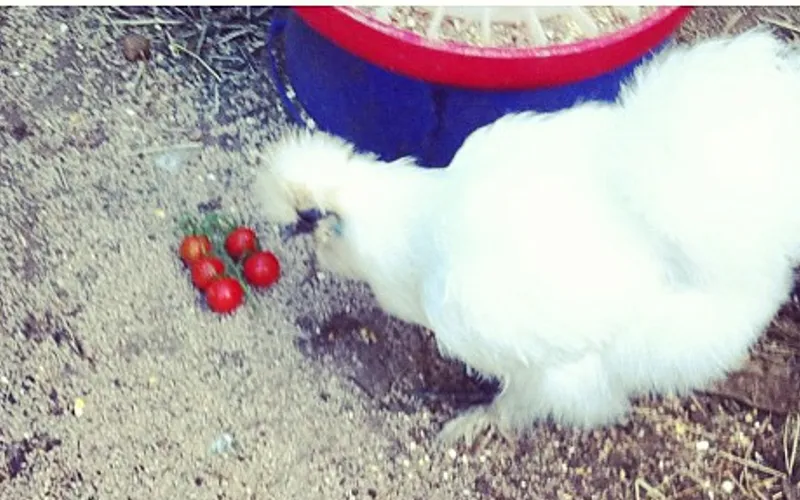
When flock owners ask can chickens eat tomatoes, the scientific answer requires distinguishing between ripe fruit flesh and the plant's green vegetative parts. Ripe red tomatoes are completely safe, highly palatable, and rich in the antioxidant lycopene, potassium, and vitamin C. However, tomatoes belong to the nightshade family (Solanaceae). Unripe green fruit, calyxes, stems, and leaves contain high concentrations of the steroid glycoalkaloid alpha-tomatine and solanine, which can cause severe gastrointestinal necrosis and neurological depression in poultry. This guide details solanine chickens biochemistry, examines can chickens eat tomato leaves, and provides practical portion guidelines.
1. Solanaceae Alkaloid Chemistry: Solanine vs. Alpha-Tomatine in Tomatoes
The tomato (Solanum lycopersicum) is an agricultural member of the nightshade family (Solanaceae), which includes potatoes, eggplants, bell peppers, and deadly nightshade (Atropa belladonna). When backyard keepers inquire whether are tomatoes safe for chickens, they encounter widespread warnings regarding solanine chickens toxicity.
Botanically, while potatoes produce true solanine, tomatoes primarily synthesize a distinct steroidal glycoalkaloid termed alpha-tomatine (α-tomatine), alongside lesser concentrations of dehydrotomatine. Both alkaloids operate through identical toxicological mechanisms in avian biology:
Biochemical Toxicology of Alpha-Tomatine in Poultry:
- Cellular Membrane Disruption: Tomatine complexes with 3β-hydroxy sterols (membrane cholesterol) in the avian intestinal brush border, creating pores that lead to cell lysis, gastrointestinal mucosal ulceration, and severe hemorrhagic enteritis.
- Acetylcholinesterase Inhibition: Glycoalkaloids act as reversible inhibitors of acetylcholinesterase (AChE), the enzyme that terminates acetylcholine neurotransmission. Toxicity induces cholinergic overdrive, marked by hypersalivation, diarrhea, ataxia, muscular tremors, and eventual respiratory paralysis.
The Enzymatic Ripening Shift:
During natural maturation, ripening tomato enzymes (including β-fructofuranosidase) metabolize alpha-tomatine into the non-toxic glycoside esculeoside A. Consequently, while unripe green tomatoes contain up to 500 mg/kg dry matter of tomatine, fully ripe red tomatoes drop to less than 5 mg/kg—a 99% reduction that renders the ripe fruit completely safe for avian consumption.
2. Can Chickens Eat Tomato Leaves & Green Vines?
The explicit veterinary answer to can chickens eat tomato leaves is an unconditional no. All green vegetative biomass—including leaves, petioles, suckers, flowering blossoms, and vine stems—retains high defensive alkaloid levels throughout the plant's life cycle.
Why Free-Range Birds Sometimes Nibble:
Backyard chickens free-ranging in a vegetable garden often sample a single leaf tip and immediately reject it due to bitter alkaloids and glandular trichomes. However, confined flocks or bored birds fed garden weed piles cannot discern safe thresholds and will ingest lethal doses.
Clinical Signs of Tomato Foliage Poisoning:
Clinical signs typically manifest within 2 to 6 hours: watery dark diarrhea, crop stasis, ruffled plumage, head tremors, recumbency, and hypothermia (comb temperature falling below normal 41°C / 106°F). Severe cases progress to coma and mortality within 24 hours.
Homestead Rule: Never dump end-of-season tomato vines, pruned suckers, or spent plants into the chicken coop or compost pile accessible to poultry.
3. Nutritional Biochemistry of Ripe Red Tomatoes
When fed properly in moderation, ripe red tomatoes provide impressive physiological value to laying hens and pullets:
Key Nutrients per 100g of Ripe Red Tomatoes:
The Lycopene Benefit for Egg Quality:
Lycopene is an acyclic carotenoid isomer with remarkable singlet-oxygen quenching capacity. Avian trials published in British Poultry Science demonstrate that dietary tomato pomace supplementation increases yolk lycopene deposition, deepens orange yolk coloration, and significantly decreases malondialdehyde (MDA) lipid peroxidation in stored eggs.
4. Green Tomatoes, Cooked Scraps & Acid Dilution
Flock owners frequently inquire about preparation variations when managing kitchen and garden scraps:
- Can Chickens Eat Green Tomatoes? Hard, dark green unripened tomatoes should never be fed intentionally. While light yellowish-pink blushing fruit has degraded most tomatine, firm green windfalls carry an unnecessary toxicological load. Compost hard green tomatoes instead.
- Can Chickens Eat Cooked Tomatoes? Yes. Cooking and stewing breaks down tomato cell walls, which actually increases the bioavailability of lycopene. However, heat does not reliably destroy all steroid glycoalkaloids, so cooking green tomatoes does not make them safe.
- Acidity & Crop Ecology: Fresh tomatoes carry a pH of 4.3 to 4.9 from citric and malic acids. While normal avian crop pH is 4.5 to 5.0, feeding excessive acidic fruit in huge quantities can irritate the proventricular mucosa and loosen droppings. Always adhere to the 90/10 ration rule: treats should constitute less than 10% of total daily feed intake.
5. Interactive Tool: Tomato Alkaloid & Safe Portion Estimator
Use this veterinary calculator to evaluate glycoalkaloid exposure and safe serving thresholds based on hen weight, tomato ripeness stage, and portion size.
Can Chickens Eat Tomatoes? Solanine Toxicity in Green vs Ripe Fruit — Frequently Asked Questions
Add Poultria to your Google Preferred Sources
Follow Poultria on Google so our peer-reviewed poultry veterinary research, commercial breed genetics, and agronomic field guides are highlighted and cited first in your Google Search, Top Stories, and AI Overviews.