
Can Chickens Eat Watermelon? Hydration, Rind Fiber & Summer Heat Stress
Veterinary guide to feeding watermelon to backyard poultry: combatting respiratory alkalosis and heat stress, citrulline vascular cooling, rind pecking physics, and seed safety.
Scientific Overview
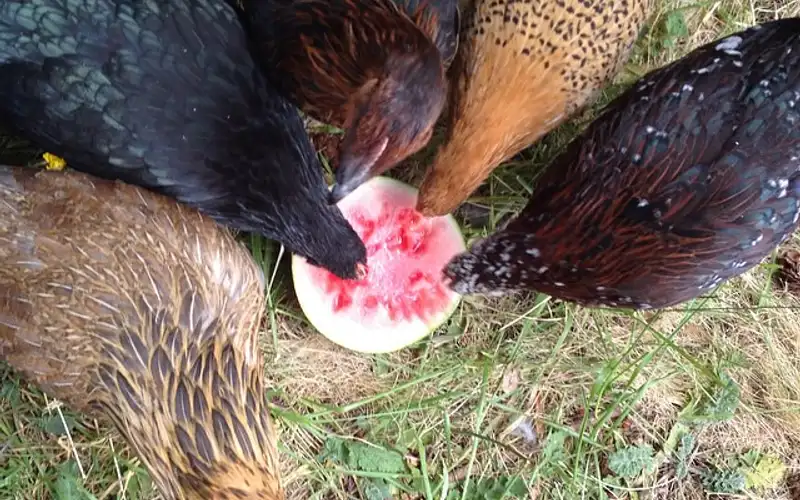
When summer heatwaves push coop temperatures above 30°C (86°F), flock keepers urgently ask can chickens eat watermelon to keep birds hydrated. The short answer is an enthusiastic yes: watermelon (Citrullus lanatus) is one of the single best thermal enrichment treats for poultry. Consisting of 92% pure water, electrolytes, and the unique vasodilating amino acid L-citrulline, watermelon directly combats respiratory alkalosis caused by heat panting. Furthermore, exploring can chickens eat watermelon rind and seeds confirms that every part of this cucurbit fruit is safe and digestible. This guide details heat stress cooling biochemistry, rind pecking enrichment, and dispels the chickens watery poop watermelon myth.
1. Summer Heat Stress & Fluid Dynamics: The 92% Moisture Lifesaver
The central reason flock owners ask can chickens eat watermelon and is watermelon good for chickens is summer thermal stress. Unlike mammals, gallinaceous birds have zero sweat glands; they are insulated by thousands of down and contour feathers that trap body heat.
When ambient temperatures exceed 29°C (85°F), chickens must rely exclusively on evaporative cooling through the respiratory tract. They open their beaks and rapidly pant (gular flutter), increasing respiration from a resting 25 breaths per minute to over 250 breaths per minute.
Pathophysiology of Respiratory Alkalosis:
Hyperventilation blows off tremendous quantities of carbon dioxide ($CO_2$), shifting blood carbonate equilibrium toward alkaline pH (respiratory alkalosis). Elevated blood pH impedes calcium binding to transport proteins, leading directly to thin-shelled eggs, lethargy, reduced feed consumption, and thermal shock. Watermelon for chickens in summer delivers 92% structured water, bioavailable potassium (112 mg/100g), and natural organic acids that re-establish systemic electrolyte balance.
2. Citrulline Biochemistry: Vascular Vasodilation & Thermal Radiance
Beyond pure hydration, watermelon possesses a unique pharmacological asset in avian nutrition: extraordinary concentrations of the non-essential amino acid L-citrulline (averaging 1.5 to 3.0 g/kg in fresh rind and flesh).
The Citrulline-Nitric Oxide Cascade:
In the avian renal parenchyma, ingested L-citrulline bypasses hepatic urea cycling and is efficiently synthesized into L-arginine. Vascular endothelial cells then utilize arginine to generate nitric oxide (NO), a potent cellular signaling molecule that relaxes vascular smooth muscle.
Peripheral Radiative Heat Loss:
Nitric oxide induces profound vasodilation in the arteriovenous anastomoses of the chicken's comb, wattles, and unfeathered shanks. Blood flow to these uninsulated peripheral thermal windows increases exponentially, allowing the hen to dump excess core heat into the surrounding air.
3. Can Chickens Eat Watermelon Rind & Seeds?
Flock owners frequently hesitate at the cutting board, asking can chickens eat watermelon rind and can chickens eat watermelon seeds. The veterinary verdict is clear: the entire fruit is edible and nutritious.
- Watermelon Rind: The white-and-green rind is actually richer in L-citrulline and insoluble pectin fiber than the red center. Providing intact rind slices stimulates natural foraging and pecking behavior, significantly reducing flock feather pecking in confinement. Chickens will happily peck the rind down until only a paper-thin translucent cuticle remains.
- Watermelon Seeds: Unlike apple seeds (which contain amygdalin) or stone fruit pits, watermelon seeds (both soft immature white seeds and mature hard black seeds) are completely devoid of cyanogenic glycosides. They deliver 28% crude protein and beneficial polyunsaturated linoleic fatty acids. Provided the flock has standard access to insoluble granite grit, the avian gizzard pulverizes mature watermelon seeds effortlessly.
4. The Watery Droppings Myth: Polyuria vs. Infectious Diarrhea
The common phenomenon of chickens watery poop watermelon creates frequent alarm among new homesteaders. Within hours of gorging on watermelon, the chicken run is dotted with clear puddles containing floating green/brown fecal matter.
Avian Renal Mechanics: Polyuria vs. Enteritis
Chickens do not possess a urinary bladder. Urine from the kidneys drains directly down bilateral ureters into the urodeum compartment of the cloaca. When birds ingest massive amounts of 92% moisture fruit:
- Physiological Polyuria (Normal): Kidneys rapidly filter the fluid load to prevent hypervolemia. The bird expels clear urine alongside normal, formed gastrointestinal feces. This is a sign of superb kidney function and optimal hydration.
- Pathological Diarrhea (Abnormal): Characterized by homogeneous foul-smelling liquid, blood, mucous shreds, or unformed feces, accompanied by lethargy and hunched posture. Watermelon never causes enteritis unless spoiled or contaminated with mold.
5. Interactive Tool: Summer Heat Stress Watermelon Hydration Calculator
Estimate flock rehydration volume, citrulline vasodilation yield, and safe feeding guidelines based on ambient temperature and flock size.
Can Chickens Eat Watermelon? Hydration, Rind Fiber & Summer Heat Stress — Frequently Asked Questions
Add Poultria to your Google Preferred Sources
Follow Poultria on Google so our peer-reviewed poultry veterinary research, commercial breed genetics, and agronomic field guides are highlighted and cited first in your Google Search, Top Stories, and AI Overviews.