
Can Chickens Eat Bread? Crop Impaction, Raw Dough & Mold Hazards
Avian gastroenterology manual on feeding bread to chickens: fatal raw yeast expansion mechanics, sticky gluten crop impactions, aflatoxin mold risks, and dietary dilution.
Scientific Overview
Tossing stale sandwich crusts to a backyard flock is a widespread custom, but asking can chickens eat bread reveals critical physiological considerations. While baked bread is not inherently poisonous, it is fundamentally empty carbohydrate matter that rapidly dilutes essential dietary protein and calcium. More alarmingly, raw yeast bread dough represents a lethal veterinary emergency when ingested, as warm crop conditions trigger explosive gas expansion and alcohol toxicity. Furthermore, moldy bread carries deadly aflatoxins that cause fatal hepatic necrosis. This guide breaks down avian crop impaction bread mechanics, mycotoxin hazards, and strict portion protocols.
1. The Raw Yeast Dough Emergency: Avian Crop Fermentation Physics
While backyard poultry keepers frequently wonder can chickens eat bread, the question of can chickens eat raw dough represents one of the most critical veterinary emergencies in avian husbandry. Raw, unbaked baker's yeast dough containing active Saccharomyces cerevisiae must never, under any circumstances, be accessible to poultry.
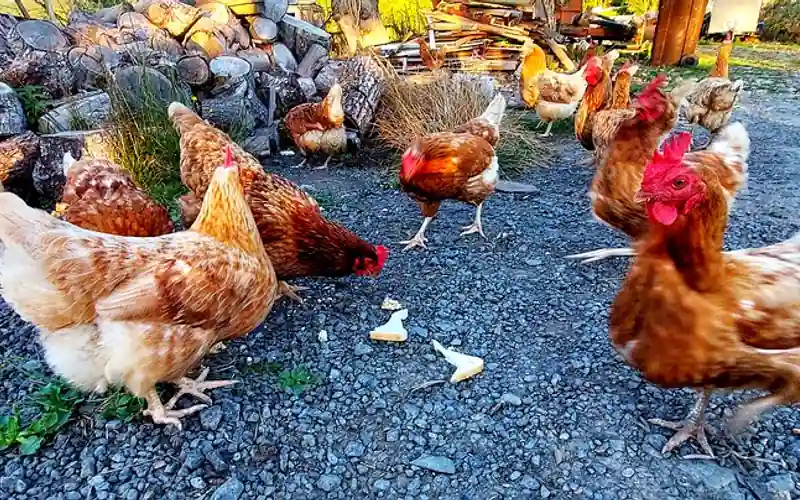
The biological mechanism of raw yeast dough toxicosis is dual-faceted:
Pathophysiology of Ingested Raw Yeast Dough:
- Hyper-Accelerated Proofing & Crop Distension: The chicken's crop maintains an internal core temperature of 41.0°C to 42.0°C (105.8°F to 107.6°F), high humidity, and abundant simple carbohydrates. This creates the optimal commercial proofing environment. The expanding dough mass balloons to several times its ingested volume, mechanically occluding the trachea (asphyxiation) or tearing the thin crop muscularis (crop rupture).
- Acute Systemic Ethanol Toxicosis: Anaerobic yeast fermentation metabolizes starches into carbon dioxide and pure ethyl alcohol. Avian gastric mucosa rapidly absorbs ethanol directly into the bloodstream, bypassing hepatic first-pass clearance. Birds suffer profound central nervous system depression, severe hypothermia, metabolic acidosis, and cardiac arrest.
2. Baked White Bread & Crop Impaction (Ingluvies Obstruction)
Even when fully baked, asking is bread bad for chickens highlights a major physical danger: crop impaction bread pathology.
Commercial white sandwich bread is manufactured from finely milled, highly refined wheat flour high in the storage proteins gliadin and glutenin. When a hen pecks off and swallows large pieces of soft bread, the crumbs mix with mucous saliva in the crop and rapidly re-coalesce into an elastic, gummy bolus.
Mechanical Impaction:
The crop possesses minimal muscular churning power; grinding relies on the muscular ventriculus (gizzard) downstream. A sticky dough plug cannot pass through the narrow thoracic inlet. The crop remains hard, doughy, and distended over 24 hours.
Secondary Sour Crop (Candidiasis):
The warm, stagnant carbohydrate ball fuels rapid proliferation of opportunistic Candida albicans yeast. The crop wall becomes inflamed and thickened (Turkish towel appearance), exuding a foul, fermented yeast odor from the beak.
3. The Lethal Menace: Moldy Bread & Mycotoxicosis (Aflatoxins)
One of the most dangerous homestead mistakes is wondering can chickens eat moldy bread and assuming chickens have cast-iron stomachs capable of handling spoiled bakery products.
Bakery products stored in plastic bags in humid kitchens rapidly cultivate molds of the genera Aspergillus, Penicillium, and Fusarium. These fungi produce deadly secondary metabolites known as mycotoxins, primarily Aflatoxin B1 and ochratoxin A.
Why Chickens Are Uniquely Vulnerable to Aflatoxins:
Poultry hepatic cytochrome P450 enzymes bioactivate Aflatoxin B1 into toxic AFB1-8,9-epoxide, which binds covalently to liver DNA. Dietary contamination as low as 0.5 to 1.0 ppm (mg/kg) causes:
- Acute hepatic necrosis and bile duct hyperplasia (fatal liver failure).
- Severe immune suppression via bursal and thymic lymphocyte depletion, leaving birds defenseless against E. coli and coccidiosis.
- Widespread capillary hemorrhages and immediate cessation of egg production.
Absolute Warning: Trimming green or blue mold spots off bread does nothing to remove invisible fungal hyphae that saturate the entire bread crumb structure. If bread shows mold, discard it immediately in the trash.
4. Nutritional Dilution & Safe Feeding Protocols
High-producing modern laying hens require precisely calibrated rations: 16% to 18% crude protein, balanced synthetic methionine (>0.38%), lysine (>0.85%), and 3.8% to 4.2% elemental calcium to formulate eggshells.
Bread contains only ~8% to 9% low-quality gluten protein, almost zero calcium (0.1%), and excessive refined starch. When hens fill their crops with bread, they consume fewer balanced commercial crumbles. This nutritional dilution triggers:
- Soft-Shelled & Rubber Eggs: Blood ionized calcium is depleted, starving the shell gland pouch.
- Fatty Liver Hemorrhagic Syndrome (FLHS): Surplus simple starches are rapidly converted to triglycerides in the avian liver, predisposing hens to fatal hepatic rupture.
- Feather Pecking & Cannibalism: Methionine deficiency from bread feeding prompts hens to aggressively peck flock mates' plumage for animal protein.
Safe Bread Feeding Protocol (If Given at All):
Feed only dry whole-grain, seeded, or sourdough bread that is thoroughly toasted or air-dried into hard croutons. Pulverize the crusts into small pea-sized pieces (<1 cm). Never feed more than 1 slice per 6 to 8 adult hens once per week, and never feed bread to chicks under 8 weeks.
5. Interactive Tool: Bread Carbohydrate & Nutritional Dilution Calculator
Calculate how many grams of bread your flock receives and estimate the exact percentage drop in dietary protein, calcium displacement, and crop impaction hazard index.
Can Chickens Eat Bread? Crop Impaction, Raw Dough & Mold Hazards — Frequently Asked Questions
Add Poultria to your Google Preferred Sources
Follow Poultria on Google so our peer-reviewed poultry veterinary research, commercial breed genetics, and agronomic field guides are highlighted and cited first in your Google Search, Top Stories, and AI Overviews.