
Chicken Lifespan: How Long Do Chickens Live by Breed Guide
Comparative longevity analysis across heritage, bantam, and commercial production breeds with veterinary geriatric care protocols.
Scientific Overview
The domestic chicken (Gallus gallus domesticus) possesses the physiological potential to live 8 to 12 years—and in exceptional documented cases, well past 15 years. However, actual flock longevity varies enormously depending on genetic selection intensity, reproductive metabolic load, predator security, and husbandry standards. While intensive commercial hybrid layers are biologically exhausted and prone to reproductive neoplasia after 2 to 3 years of hyper-ovulation, robust heritage breeds and compact bantams frequently thrive for a decade or more as beloved companions. This veterinary guide examines the biological mechanisms governing poultry aging, provides an actuarial lifespan comparison across breed categories, and presents clinical geriatric care protocols.
1. Biological Factors Governing Avian Longevity & Cellular Senescence
Avian Aging Paradox
Birds exhibit higher metabolic rates, elevated core body temperatures (40.5°C to 41.7°C / 105°F to 107°F), and higher circulating blood glucose levels than mammals of similar body mass, yet they live significantly longer due to superior cellular antioxidant defenses and resistance to mitochondrial oxidative damage.
In avian medicine, life expectancy is dictated by the evolutionary trade-off between reproductive output and somatic tissue maintenance. Wild junglefowl produce only 10 to 15 eggs per year in a single spring clutch. Under these natural conditions, female wild fowl live 10 to 14 years. In contrast, modern poultry have been split into two genetically polarized directions: rapid skeletal/muscular accretion (broilers) and relentless continuous ovulation (layers).
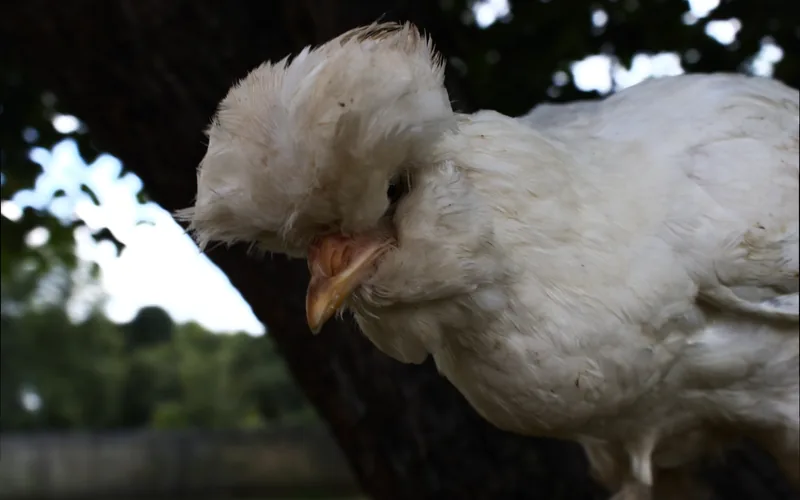
In high-production layers, ovulating an egg every 24 to 26 hours requires massive mobilization of structural bone calcium from the medullary cavity. Over 3 to 4 years, this severe metabolic strain depletes systemic reserves, impairs immune surveillance, and promotes cellular senescence. Conversely, heritage breeds with moderate seasonal laying patterns retain vital physiological reserves, leading to substantially longer lifespans.
2. Comparative Longevity Benchmarks Across Poultry Categories
The lifespan of a chicken is heavily influenced by breed genetics, purpose, and body mass conformation. The comparative table below outlines realistic actuarial life expectancies in backyard settings with proper veterinary care and predator protection.
| Breed Classification | Representative Breeds | Typical Lifespan | Primary Causes of Mortality |
|---|---|---|---|
| Heritage Dual-Purpose | Plymouth Rock, Orpington, Sussex, Australorp | 8 – 10 Years | Geriatric heart failure, ovarian carcinoma, predator trauma |
| True Bantams & Ornamental | Silkie, Sebright, Pekin, Japanese Bantam | 9 – 12 Years | Hypothermia, predator predation, respiratory illness |
| Heritage Egg Layers | White Leghorn, Ancona, Minorca | 6 – 8 Years | Salpingitis, egg binding, osteoporosis fractures |
| Commercial Production Hybrids | ISA Brown, Golden Comet, Bovans, Lohmann | 3 – 5 Years | Egg yolk peritonitis, prolapse, ovarian neoplasia, kidney failure |
| Fast-Growing Broilers | Cornish Cross (Ross 308, Cobb 500) | 1 – 2 Years (Unrestricted) | Ascites (pulmonary hypertension), congestive heart failure, femoral fractures |
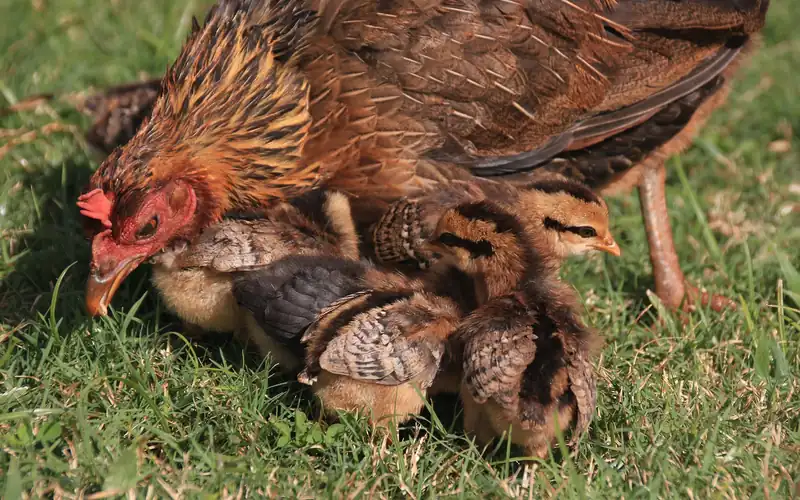
Heritage dual-purpose breeds balance moderate egg output (180 to 220 eggs annually) with robust immune genetics and sturdy skeletal frames. True bantams benefit from their compact body mass (under 1 kg / 2.2 lbs), which exerts less mechanical stress on their cardiac and musculoskeletal systems.
3. Geriatric Pathology & Clinical Management
As chickens enter their twilight years (ages 5 and above), keepers must adapt husbandry practices to accommodate progressive age-related physiological declines.
Primary Geriatric Conditions in Aging Poultry:
- Osteoarthritis & Pododermatitis: Degenerative joint disease of the hock (intertarsal) and hip joints is common in heavy hens. Senior birds exhibit stiff gaits, hesitate to jump from roosts, and spend excessive time sitting on their keels, predisposing them to ulcerative bumblefoot.
- Reproductive Senescence & Peritonitis: As ovulation becomes erratic, internal laying (failure of the infundibulum to capture the ovulated yolk) increases. Free yolk in the peritoneal cavity causes aseptic coelomitis or secondary bacterial E. coli peritonitis (ascites/water belly).
- Ocular Cataracts & Vision Loss: Nuclear sclerosis and cataracts manifest as cloudiness within the pupil. Elderly hens compensate using tactile beak pecking, but become easily startled by sudden overhead shadows.
- Crop Atony & Hypomotility: Smooth muscle tone in the crop wall declines with age, leading to sluggish food emptying, sour crop fermentation, and impactions from coarse fiber.
4. Veterinary Husbandry Protocols to Maximize Senior Flock Longevity
Implementing targeted environmental and dietary modifications can add years of high-quality life to aging backyard hens.
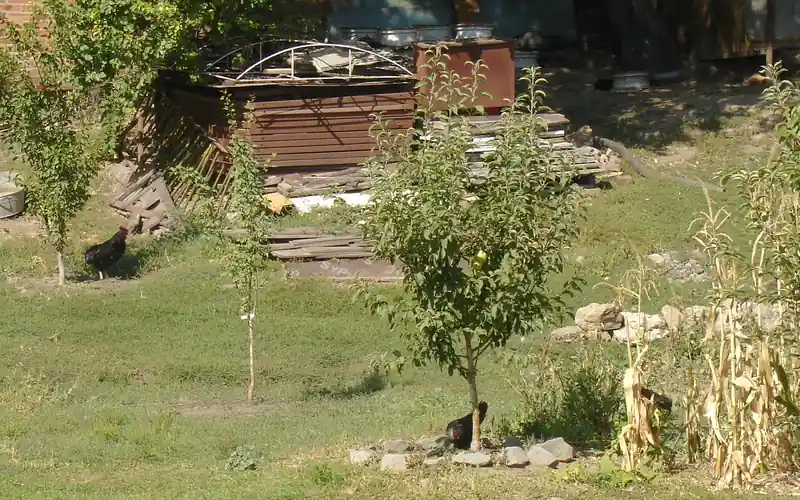
Senior Poultry Care Protocol:
- Low-Impact Roost Accessibility: Lower primary sleeping perches to 30 cm to 45 cm (12 to 18 inches) above the floor, or install wooden ramps with non-slip traction cleats. This eliminates high-impact landings that fracture fragile medullary bones and cause hock arthritis.
- Geriatric Nutritional Formulation: Discontinue high-calcium (4%) layer rations once hens cease active regular laying. High calcium creates toxic metabolic strain on aging kidneys. Transition to an all-flock maintenance or grower crumble (15% protein, 1.2% calcium) with crushed oyster shell provided in an adjacent free-choice cup for any flock members still ovulating.
- Dietary Joint & Anti-inflammatory Support: Supplement the diet with avian-safe omega-3 fatty acids (ground flaxseed or fish oil at 1% of diet) and water-soluble vitamin C/E antioxidants to mitigate inflammatory joint degradation.
- Bumblefoot Prevention & Deep Soft Bedding: Maintain a minimum 15 cm (6 inches) bed of clean, dry wood shavings under all perches. Inspect senior foot pads monthly for early keratotic corns or micro-cracks before bacterial invasion occurs.
- Sheltered, Climate-Stable Microclimates: Senior birds possess depleted subcutaneous fat reserves and thinning plumage. Provide dry, draft-free shelter during freezing winters and adequate shade, misters, and cool fresh water during summer heatwaves.
Chicken Lifespan: How Long Do Chickens Live by Breed Guide — Frequently Asked Questions
Add Poultria to your Google Preferred Sources
Follow Poultria on Google so our peer-reviewed poultry veterinary research, commercial breed genetics, and agronomic field guides are highlighted and cited first in your Google Search, Top Stories, and AI Overviews.