
Chicken Molting Season: Feather Regrowth & High-Protein Diet
Veterinary protocols for seasonal plumage renewal, keratin synthesis, nutritional amino acid adjustments, and flock comfort.
Scientific Overview
Every autumn, as daylight hours shorten across temperate latitudes, backyard flock keepers witness a dramatic transformation: vibrant laying hens cease oviposition, shed vast carpets of brittle plumage, and become ragged, lethargic, and irritable. This annual phenomenon is the avian molt (ecdysis)—a physiologically demanding neuroendocrine process wherein domestic fowl completely replace old, worn feathers with a pristine thermal coat. Because feathers account for roughly 4% to 7% of a chicken's live body weight and consist of over 85% pure beta-keratin, regenerating thousands of feathers places massive biochemical demands on systemic amino acid reserves. This guide details the endocrine triggers of molting, provides veterinary nutrition formulations, and outlines care strategies to accelerate feather regrowth.
1. The Endocrinology of Molt: Photoperiod, Thyroid & Follicle Shedding
Physiological Milestone
Avian molting is initiated by the pineal gland and hypothalamic-pituitary-thyroid axis in response to declining natural photoperiod below 14 hours of light. Increased circulating thyroxine (T4) triggers feather follicle regression and stimulates new germinal cell proliferation.
The annual adult molt typically occurs during late summer and autumn when day length contracts. Chickens shed their feathers in an orderly, highly stereotyped anatomical sequence: beginning at the crown and head, progressing down the neck, traversing the breast and back, extending down the abdomen and fluff, and finally shedding the primary flight feathers of the wings and rectrices of the tail.
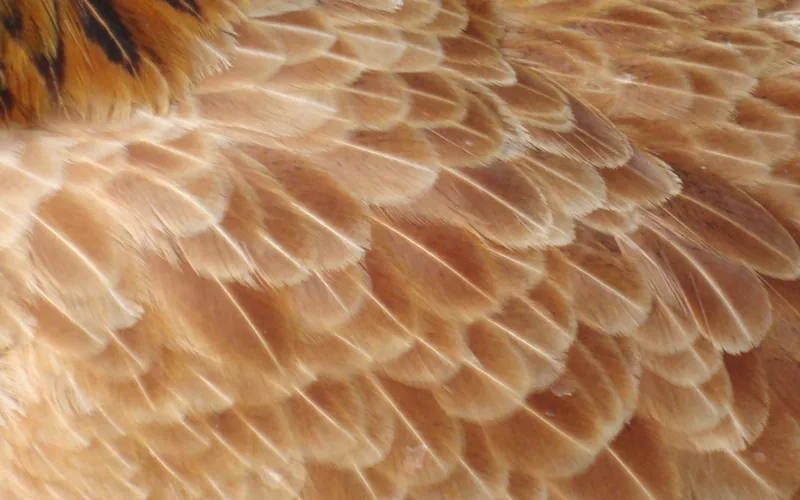
High-producing layers and heritage birds display marked differences in molting patterns. Superior laying hens maintain high egg yields well into autumn, begin molting late in the season (October or November in the Northern Hemisphere), and shed plumage rapidly in large patches—often appearing nearly bare. Conversely, poor layers molt early (July or August), lose a few feathers at a time in an imperceptible 'soft molt', and may take up to 5 months to complete the cycle.
During this period of profound physiological regression, the oviduct undergoes significant involution, shrinking to one-fifth of its functional laying size. This reproductive pause provides essential systemic rest, allowing the oviductal epithelium and shell gland to regenerate cellular architecture, resulting in improved eggshell thickness and internal albumen quality when laying resumes in the spring.
2. Pinfeathers, Blood Follicles & Flocking Pain Dynamics
As old, worn feathers drop from their dermal follicles, the dermal papilla at the base of the follicle begins active mitosis. The emerging feather bud pushes upward encased in a cylindrical keratinized sheath known as a pinfeather or blood feather.
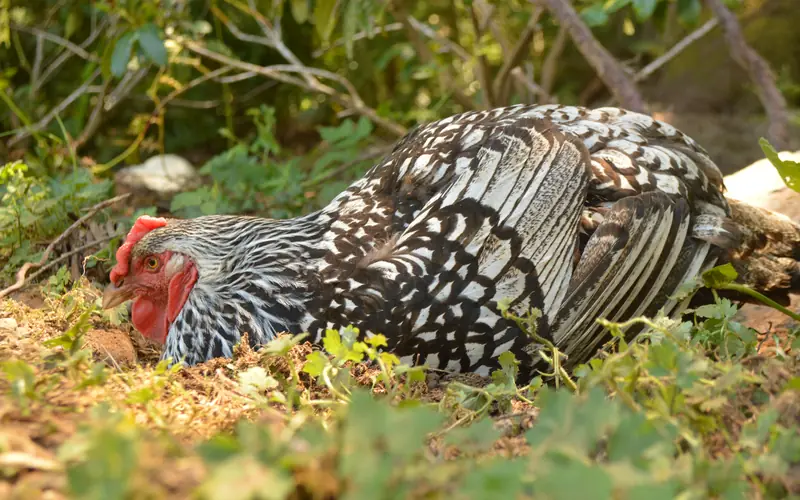
Unlike mature feathers, which are dead structural keratin structures analogous to human hair, emerging blood feathers are richly supplied by an axial artery and vein. As long as the feather is growing, this vascular core remains pressurized. If a pinfeather is bent, pinched, or damaged, it causes severe pain and bleeds profusely because the rigid quill wall prevents vascular constriction.
Essential Flock Management During Active Pinfeather Growth:
- Cease Handling: Instruct all family members and handlers to avoid scooping up or petting molting birds. Pressure against the chest or back can snap dozens of sensitive blood quills simultaneously.
- Emergency Hemostasis: If a bird snaps a blood feather and bleeds, grasp the base of the broken quill with needle-nose pliers at the skin margin and pull cleanly in the direction of feather growth. Apply direct pressure with a pinch of styptic powder or cornstarch to the empty follicle for 60 seconds.
- Prevent Flocking Cannibalism: Denuded pink skin and engorged pinfeathers attract curious, exploratory pecks from flock mates. Provide ample visual hides, perches, and distractions inside the run to protect vulnerable molting hens.
- Support Natural Grooming: Provide clean, dry sand and wood ash boxes. As pinfeathers mature, the vascular supply recedes from tip to base, and the waxy outer sheath dries into white dander. Dust bathing allows hens to preen away this waxy casing, unfurling the new feather vanes without friction.
3. Nutritional Formulations: Amino Acid Optimization for Keratin Synthesis
Feather dry matter consists of 85% to 90% protein, dominated by the sulfur amino acids L-methionine and L-cysteine. Standard complete layer feeds formulated with 16% crude protein are engineered to balance eggshell calcium and yolk production, but are insufficient to meet the extreme amino acid demands of rapid feather synthesis.
| Dietary Parameter | Active Laying Season | Active Molting Season | Nutritional Rationale |
|---|---|---|---|
| Crude Protein (CP) | 16.0% – 17.0% | 18.0% – 20.0% | Supplies structural peptides for rapid dermal papilla cell division |
| Total Methionine | 0.35% – 0.38% | 0.45% – 0.52% | Rate-limiting sulfur amino acid for beta-keratin disulfide bond cross-linking |
| Dietary Calcium (Ca) | 3.80% – 4.20% | 1.00% – 1.20% | Prevents hypercalcemic nephrosis/gout while shell gland is inactive |
| Linoleic Acid (Lipids) | 1.20% – 1.40% | 1.80% – 2.20% | Enhances uropygial preen gland lipid secretion for feather waterproofing |
| Biotin (Vitamin B7) | 0.15 mg/kg | 0.25 – 0.30 mg/kg | Cofactor in carboxylase reactions essential for follicle epidermal keratinization |
Clinical Feeding Strategy: Transition the flock to an unmedicated 20% crude protein chick starter or specialized grower/feather-fixer crumble at the first sign of autumn feather drop. Remove layer feed from primary hoppers. Offer coarse limestone or crushed oyster shell in a separate, free-choice hopper; non-laying hens will ignore the calcium, while any bird still finishing an egg clutch can consume what she needs.
4. Environmental Comfort, Biosecurity & Winterizing
Without their dense, interlocking feather shield, molting chickens lose their primary thermal barrier and become acutely susceptible to hypothermia, dampness, and opportunistic pathogens.
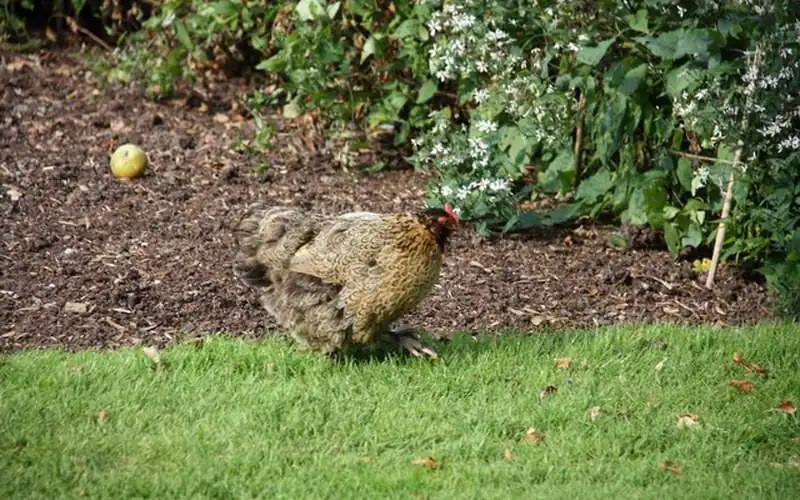
Coop Winterization & Biosecurity Checklist:
- Eliminate Cold Drafts at Roost Height: Inspect the coop for direct wind leaks at the level of the perches. Maintain high-ridge gable ventilation to evacuate moisture, but ensure solid wind-tight walls at bird level.
- Deep Litter Bedding: Layer 15 cm to 20 cm (6 to 8 inches) of clean kiln-dried pine shavings or coarse straw. Active bacterial composting in the deep litter generates gentle supplemental floor heat (up to 20°C / 68°F within the pack).
- Ectoparasite Screening: Northern fowl mites (Ornithonyssus sylviarum) and poultry lice thrive on irritated molting skin, feeding on blood and feather dander. Part the vent and breast fluff weekly: if parasites are detected, dust immediately with food-grade diatomaceous earth or apply veterinary permethrin/fluralaner to prevent systemic anemia.
- Bioactive Supplements: Add water-soluble poultry electrolytes with vitamins A, D3, and E into the drinking water 2 days per week to support epithelial tissue repair and offset metabolic stress.
Chicken Molting Season: Feather Regrowth & High-Protein Diet — Frequently Asked Questions
Add Poultria to your Google Preferred Sources
Follow Poultria on Google so our peer-reviewed poultry veterinary research, commercial breed genetics, and agronomic field guides are highlighted and cited first in your Google Search, Top Stories, and AI Overviews.