
Introducing New Chickens to a Flock: Quarantine & Integration
A clinical biosecurity framework and gradual behavioral integration protocol to merge birds without disease or violence.
Scientific Overview
Integrating new chickens into an established flock is one of the most perilous management undertakings in poultry husbandry. Fowl are deeply territorial creatures governed by rigid social hierarchies and mutual cognitive recognition; tossing unfamiliar birds directly into an established coop triggers immediate, aggressive attacks that frequently result in scalping, eye trauma, severe stress-induced immunosuppression, and fatalities. Furthermore, bringing outside birds onto a property without rigorous veterinary quarantine introduces catastrophic infectious pathogens—including Mycoplasma gallisepticum, Infectious Laryngotracheitis (ILT), Marek's disease, and virulent coccidia strains. This guide details the 30-day biosecurity quarantine framework and outlines the step-by-step 'see-but-don't-touch' visual habituation methodology.
1. Clinical Biosecurity: The 30-Day Quarantine Protocol
Veterinary Biosecurity Rule
Over 70% of devastating backyard flock epidemics (Mycoplasma gallisepticum, Infectious Coryza, Coccidiosis) originate from newly acquired birds that appeared clinically healthy upon purchase but were latent, asymptomatic carrier shedders.
Prior to any behavioral introduction, strict epidemiological quarantine must be enforced. Pathogens such as Mycoplasma gallisepticum (chronic respiratory disease) and Avian Metapneumovirus can harbor in respiratory epithelium without visible signs until travel and relocation stress trigger active viral or bacterial shedding.
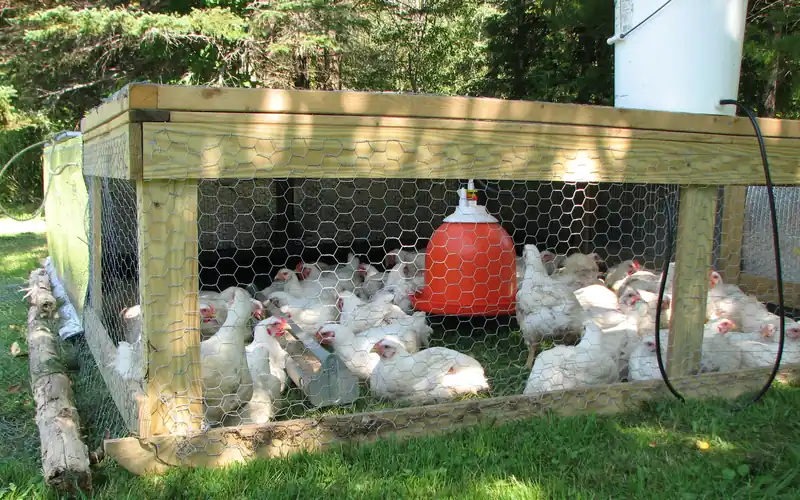
The 30-Day Quarantine Standard Operating Procedure:
- Spatial Isolation: House incoming birds in a completely separate coop or portable tractor at a minimum distance of 10 meters (30 feet), and ideally 30 meters (100 feet) downwind from the primary flock. Many respiratory viruses spread via airborne aerosol droplets and windblown feather dander.
- Chore Choreography (Clean-to-Dirty): Always service your healthy resident flock first (feeding, watering, egg collection). Only visit the quarantine pen at the end of the day.
- Fomite Control: Maintain dedicated boots, disposable gloves, and sanitized buckets exclusively for the quarantine enclosure. Never track quarantine manure or dust into the main chicken run.
- Prophylactic Screening & Deworming: Perform a physical inspection on Day 1: examine the vent, wing pits, and comb for lice and mites; inspect leg scales for scaly leg mites (Knemidocoptes mutans); check fecal droppings for blood or tapeworm proglottids. Administer a broad-spectrum anthelmintic (e.g., fenbendazole at 10 mg/kg for 5 days) and dust with pyrethrin if parasites are present.
2. Age, Mass, and Temperament Matching
Physical size and developmental age dictate social survival during flock mergers. Introducing small, fragile 8-week-old chicks into an established flock of heavy 3 kg (6.6 lbs) Orpingtons or aggressive Rhode Island Reds is a recipe for tragedy.
| Age Category | Average Body Weight % | Integration Readiness | Clinical Recommendation |
|---|---|---|---|
| Chicks (0–8 Weeks) | 10% – 35% of adult mass | Prohibited | Maintain in heated brooder. High mortality risk from adult hens. |
| Growers (9–15 Weeks) | 40% – 70% of adult mass | Visual Separation Only | Too small to withstand dominance pecks; integrate via wire partition only. |
| Point-of-Lay Pullets (16–20 Weeks) | 80% – 95% of adult mass | Ideal Integration Window | Sufficient muscular frame and agility to flee and assert natural submissive squats. |
| Mature Adults (21+ Weeks) | 100% of adult mass | Ready (Requires Hierarchy Management) | Equal physical size, but will engage in head-to-head dominance pecking. |
Always introduce birds in groups of equal numbers or at least a cohort of 3 to 4 birds. A cohort provides mutual psychological security, allows newcomers to roost together, and prevents the resident flock from singling out a solitary victim.
3. The 14-Day 'See-But-Don't-Touch' Visual Acclimation Protocol
The secret to zero-casualty flock integration lies in gradual cognitive desensitization. Chickens must learn to recognize each other's faces, comb shapes, and vocalizations across a protective barrier until curiosity replaces territorial alarm.
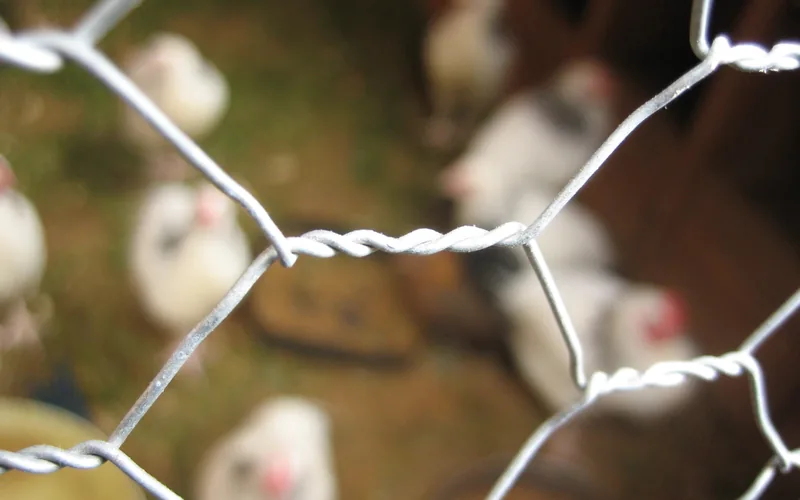
Step-by-Step 14-Day Visual Integration Schedule:
- Days 1–7 (Mesh Barrier Introduction): Construct a physical partition inside the main run or coop using 12.7 mm (0.5 inch) galvanized hardware cloth or sturdy chicken wire. House the newcomers in this sub-enclosure with their own dedicated feeder, water fount, and roost. The two groups live side-by-side 24 hours a day, observing each other through the wire.
- Days 8–11 (Synchronized Communal Feeding): Place feeding troughs and treat bowls directly along both sides of the wire partition. The resident flock and newcomers feed mere centimeters apart through the wire. This forges positive neurological associations between the visual presence of newcomers and high-value feed rewards.
- Days 12–14 (Shared Free-Ranging): Release both groups simultaneously into a large, open outdoor yard or pasture during late afternoon (2 hours before dusk). Wide open spaces allow newcomers to evade aggressive approaches with ample flight distance. Supervise closely; redirect any intense skirmishes with scratch grain.
4. Full Cohabitation, Run Architecture & Conflict De-escalation
Once visual habituation is complete, full physical integration can occur. How you configure the physical architecture of the coop and run determines whether the merger succeeds smoothly or collapses into chaos.
Environmental Modifications for Coexistence:
- The Nighttime Perch Transfer: On the evening of Day 14, wait until 60 minutes after total darkness when all birds are asleep. Carefully lift the newcomers from their sub-pen and place them directly onto the main roost bars between tolerant resident hens. In the dark, chickens enter a quiescent state and absorb the ambient flock scent and body warmth.
- Early Morning Dawn Monitoring: Be at the coop at first light. Open the pop door immediately so subordinate birds can flee into the run rather than being trapped in a tight coop corner.
- Visual Baffles & Escape Perches: Lean sheets of plywood against run fences, place upright straw bales, and install perches at heights of 45 cm and 90 cm (18 and 36 inches). These barriers block direct line of sight; an aggressive hen will cease chasing once the subordinate ducks behind a barrier.
- Redundant Resource Stations: Scatter 3 to 4 feeding pans and 2 to 3 waterers across opposite corners of the enclosure. Ensure every bird can eat and drink without entering the flight zone of dominant hens.
Introducing New Chickens to a Flock: Quarantine & Integration — Frequently Asked Questions
Add Poultria to your Google Preferred Sources
Follow Poultria on Google so our peer-reviewed poultry veterinary research, commercial breed genetics, and agronomic field guides are highlighted and cited first in your Google Search, Top Stories, and AI Overviews.