What Can Chickens Eat? Master Safe & Toxic Foods A–Z Directory
The complete scientific and homesteader reference: avian digestive anatomy, 10 lethal toxins to avoid, 60+ safe kitchen scraps, and the 90/10 ration rule for optimal egg production.
Scientific Overview
Navigating what can chickens eat versus what can a chicken eat safely is one of the most critical daily responsibilities for flock owners. Domestic chickens (Gallus gallus domesticus) are opportunistic omnivores equipped with a specialized digestive tract capable of converting garden surplus, kitchen scraps, and insects into nutritious eggs. However, their unique metabolic physiology makes them exceptionally vulnerable to specific plant alkaloids, mycotoxins, and high sodium levels. Feeding an unbalanced chicken treats list can dilute critical dietary calcium and amino acids or trigger fatal digestive impaction. This definitive veterinary directory catalogs safe, restricted, and strictly toxic foods with scientific biochemical breakdowns and practical serving guidelines.
1. Avian Gastrointestinal Anatomy: How Chickens Process Food
Unlike mammals, poultry possess neither teeth nor salivary amylase for oral carbohydrate breakdown. Food is ingested whole by the keratinized beak, lubricated with pharyngeal mucus, and transported down the esophagus into the crop (ingluvies) for temporary storage and softening before entering the glandular stomach and gizzard.
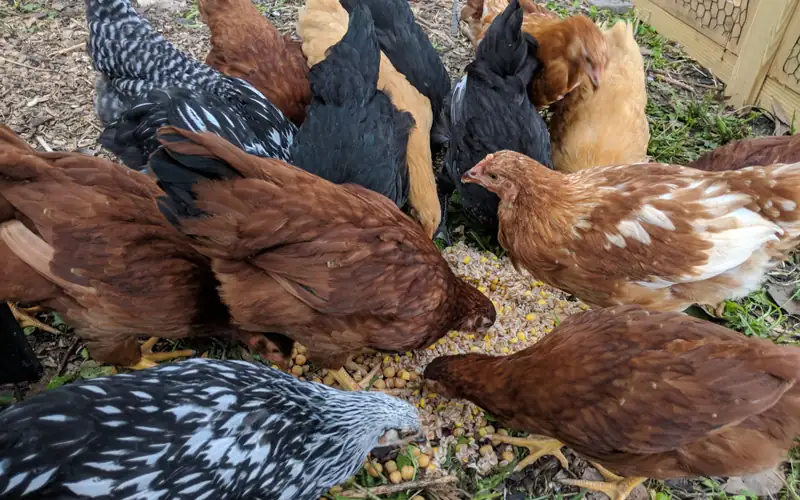
Understanding the unique digestive stages of Gallus gallus domesticus is essential when evaluating what can chickens eat and what triggers life-threatening gastrointestinal emergencies:
1. Crop (Ingluvies)
An outpocketing of the esophagus acting as a holding pouch. Food is rehydrated and softened at body temperature (40.5°C to 41.7°C / 105°F to 107°F) with endogenous lactobacilli fermentation. Long stringy fibers (celery strings, fibrous grass) can form tangled fibrous masses here, creating surgical crop impactions.
2. Proventriculus
The true glandular stomach. Secretes hydrochloric acid (HCl) and pepsinogen, creating an intensely acidic chemical environment (pH 2.0 to 2.5) that denatures proteins and eliminates transient bacterial pathogens before gastric passage.
3. Gizzard (Ventriculus)
A heavy muscular organ lined with a tough, abrasive carbohydrate-protein complex called koilin. Together with consumed insoluble granite grit, the gizzard rhythmically contracts with pressures exceeding 150 mm Hg to crush seeds, grain husks, and fibrous kitchen scraps into microscopic particles.
4. Paired Ceca & Cloaca
Two blind sacs located at the junction of the small and large intestines. Specialized anaerobic microflora ferment soluble fibers (pectins, beta-glucans), synthesizing B-complex vitamins and volatile fatty acids before waste is excreted via the common cloaca.
2. The Red List: 10 Toxic Foods for Chickens & What Not to Feed
Knowing what not to feed chickens is just as vital for backyard poultry health as choosing quality daily feed. While chickens are adventurous foragers, their metabolic enzymes cannot detoxify certain naturally occurring secondary plant compounds and bacterial mycotoxins. The following items represent the most dangerous toxic foods for chickens and must be strictly excluded from every backyard flock ration:
| Dangerous Substance | Bioactive Toxic Compound | Pathology & Clinical Symptoms | Toxicity Severity |
|---|---|---|---|
| Avocado (Skin & Pit) | Persin (fungicidal lipid derivative) | Myocardial necrosis, hydropericardium (fluid accumulation around heart), acute respiratory distress, cyanosis, and sudden death within 24 to 48 hours. | Fatal / Critical |
| Raw Dried Beans | Phytohaemagglutinin (PHA lectin) | Binds carbohydrates on intestinal enterocytes, lysing red blood cells (hemagglutination) and destroying the gut mucosa. Ingesting as few as 3 to 4 raw kidney beans can kill an adult hen. Cooking at 100°C (212°F) for 30 minutes deactivates lectins completely. | Fatal / Critical |
| Green Potatoes & Nightshades | Solanine & Chaconine (glycoalkaloids) | Found in green potato skin, potato sprouts, and the green foliage/vines of tomatoes, eggplants, and peppers. Inhibits acetylcholinesterase, producing neurological tremors, motor ataxia, intestinal ulceration, and collapse. | Severe / Lethal |
| Apple Seeds & Stone Fruit Pits | Amygdalin (cyanogenic glycoside) | Enzymatically converted into hydrocyanic acid (hydrogen cyanide) during gizzard grinding. Blocks cellular cytochrome oxidase, causing cellular hypoxia. Pits of peaches, plums, apricots, and cherries also pose acute crop obstruction risks. | High / Cumulative |
| Moldy Bread & Scraps | Mycotoxins (Aflatoxin B1, Ochratoxin A) | Produced by Aspergillus and Penicillium fungal molds on decomposing bakery items and grains. Extremely hepatotoxic; induces bile duct proliferation, severe immunosuppression, coagulopathies, and irreversible liver hemorrhage. | Fatal / Critical |
| Chocolate & Coffee Grounds | Theobromine & Caffeine (methylxanthines) | Slowly metabolized by avian hepatic enzymes. Triggers myocardial hyperactivity, cardiac arrhythmias, seizures, and respiratory arrest even in low milligram doses. | Severe / Poison |
| Raw Onions & Leeks (Excess) | Thiosulfates & Organic Sulfoxides | Depletes glucose-6-phosphate dehydrogenase, inducing oxidative Heinz body hemolytic anemia in red blood cells. Small accidental culinary scraps are tolerable, but raw culinary onions must never be fed as a routine flock treat. | Moderate / Toxic |
| Rhubarb Leaves | Oxalic Acid & Anthraquinone Glycosides | Leaves contain soluble oxalates that precipitate calcium in blood plasma, producing calcium oxalate crystals that occlude renal tubules, resulting in acute renal tubular necrosis and paralysis. (Stalks are edible, but leaves are strictly poisonous). | Fatal / Critical |
| High-Salt Table Food | Sodium Chloride (Salt Intoxication) | Avian kidneys feature limited Henle loop capacity for hyperosmotic urinary concentration. Diets exceeding 0.5% sodium chloride cause polydipsia, severe ascites (water belly), renal failure, and mortality. Chips, salted crackers, and canned soups must be banned. | High Osmotic Risk |
| Alcohol & Fermenting Mash | Ethanol | Avian metabolic mass cannot handle ethanol. Causes swift central nervous system depression, hypothermia, crop stasis, and respiratory cessation. Avoid beer dregs or heavily fermented rotting orchard fruit. | Fatal / Poison |
3. Safe Foods for Chickens A to Z: Homestead Staples & Healthy Treats
The vast majority of fresh homestead produce, garden waste, and culinary surpluses can be safely converted into healthy chicken treats. When establishing a reliable menu of safe foods for chickens a to z, understanding what can a chicken eat safely and categorizing items by their primary nutritional function prevents over-supplementation:
eco 1. Fresh Vegetables & Garden Greens
- Kale, Swiss Chard & Spinach: High in lutein and beta-carotene (yolk pigment enhancers), vitamin K, and folic acid. Feed spinach in moderation due to trace oxalic acid.
- Cabbage, Broccoli & Cauliflower: High in sulfur glucosinolates and prebiotic fibers. Hang whole cabbage heads on wire for flock enrichment and feather-pecking reduction.
- Cucumbers & Zucchini (Summer Squash): 95% water content; excellent summer cooling treat providing trace potassium and hydration without sugar spikes.
- Carrots & Beets: Rich in beta-carotene and dietary fiber. Grate or steam whole root crops to prevent choking in smaller birds.
- Pumpkins & Winter Squash: Superb autumn enrichment; seeds contain curcurbitin (traditional gut tonic) and flesh delivers intense provitamin A carotenoids.
nutrition 2. Whole Fruits & Berries (In Moderation)
- Watermelon & Cantaloupe: The gold standard for hot summer days; pulp and rinds provide citrulline, potassium, and rapid cellular rehydration.
- Blueberries, Blackberries & Strawberries: Loaded with anthocyanin antioxidants and vitamin C. Improves immune antibody titers during vaccination or heat stress.
- Apples & Pears (Cored): Excellent source of soluble pectin for cecal microflora; core and remove all seeds before feeding.
- Bananas: Soft, easily digested flesh rich in potassium (358 mg/100g) and vitamin B6; limit to half a banana per 4 to 6 hens to manage sugar levels.
- Grapes & Cherries (Pitted): Slice whole grapes in half to eliminate choking hazards; remove stone pits from cherries and plums.
egg 3. Grains, Seeds & Complete Proteins
- Cooked Hard-Boiled or Scrambled Eggs: 100% bioavailable animal protein (12.5% crude protein) and sulfur amino acids; the single best convalescent treat for molting or injured hens. (Never feed raw whole eggs to prevent egg-eating habits).
- Black Soldier Fly Larvae (BSFL) & Mealworms: 38% to 45% crude protein and high calcium content (BSFL contain 3.5% calcium vs 0.05% in mealworms). Feed 1 tablespoon per hen during molt.
- Rolled Oats & Cooked Brown Rice: Soothing complex carbohydrates delivering beta-glucans; great warm winter breakfast mash.
- Sunflower Seeds (Black Oil): 16% protein and high linoleic acid (essential fatty acid that increases egg weight and yolk volume).
- Plain Greek Yogurt & Kefir: Fermented dairy provides live cultures (Lactobacillus) that competitive-exclude Salmonella in the gut. Feed max 1–2 teaspoons per hen weekly.
4. The 90/10 Ration Rule: Preventing FLHS & Egg Drop
A complete commercial layer feed is not merely 'grain'—it is an engineered, laboratory-balanced diet formulated to contain 16% to 18% crude protein, exactly 3.8% to 4.2% calcium, 0.45% available phosphorus, and precise essential amino acid ratios (methionine:lysine at 0.42:1.0).
When flock keepers indulge birds with excessive bread, kitchen scraps, or scratch grains exceeding 10% of total daily intake, the following clinical disorders manifest:
- Protein & Calcium Dilution: Diluting a 16% protein layer diet with 9% protein scratch grains or low-protein bread drops the net crude protein intake below the 14% threshold required for egg synthesis, triggering an immediate laying slump.
- Soft-Shell Egg Cascades: A hen requires 2.0 to 2.2 grams of pure elemental calcium per eggshell. Treat-diluted rations force the bird to resorb calcium from medullary bone tissue, culminating in osteoporosis, cage layer fatigue, and rubber-shelled eggs.
- Fatty Liver Hemorrhagic Syndrome (FLHS): Excess dietary carbohydrates from scrap starch are converted into triglycerides in the avian liver. The liver becomes enlarged, pale, and friable, until normal muscular oviposition straining ruptures the hepatic capsule, resulting in sudden internal bleeding and fatal cage death.
Quantitative 90/10 Daily Serving Benchmark:
An average standard-size laying hen (e.g., Rhode Island Red, Australorp, Plymouth Rock) consumes approximately 110 g to 130 g (3.9 to 4.6 oz) of complete layer feed daily. Under the 90/10 rule, total treats, vegetable scraps, and grain scratch for the entire flock must never exceed 11 g to 13 g (0.39 to 0.46 oz) per hen per day—roughly equivalent to one level tablespoon of treats per bird.
5. Interactive Tool: A–Z Chicken Food Safety Checker & Toxicity Database
Search our comprehensive veterinary database to check any food item, garden scrap, or treat. Filter by category or search by keyword to display instantaneous safety ratings, biochemical considerations, and clinical preparation instructions.
6. Grit Biology: Why Insoluble Granite Grit is Essential for Scrap Digestion
A critical error made by new poultry keepers is confusing calcium oyster shell with insoluble granite grit when introducing kitchen scraps.
Insoluble Granite Grit (Mechanical Teeth)
Crushed flint or granite rock that does not dissolve in gastric acid. It lodges permanently in the muscular ventriculus, where rhythmic muscular contractions pulverize whole seeds, tough vegetable fiber, and fruit peels into digestible micro-chyme. Must be supplied free-choice in a separate hopper.
Soluble Calcium Oyster Shell (Chemical Mineral)
Calcium carbonate that rapidly dissolves in proventricular hydrochloric acid (pH 2.0) to release ionic calcium into the bloodstream for shell gland calcification. It provides zero mechanical grinding capacity in the gizzard.
Particle Sizing Protocol: Ensure grit size matches the bird's developmental stage: Chick Grit (#1) for 0 to 3 weeks, Grower Grit (#2) for 4 to 8 weeks, and Developer/Layer Grit (#3) for adult hens over 8 weeks.
What Can Chickens Eat? Master Safe & Toxic Foods A–Z Directory — Frequently Asked Questions
Add Poultria to your Google Preferred Sources
Follow Poultria on Google so our peer-reviewed poultry veterinary research, commercial breed genetics, and agronomic field guides are highlighted and cited first in your Google Search, Top Stories, and AI Overviews.