
Coturnix Quail Farming: Complete Egg Production & Care Guide
The definitive agronomic manual for raising Japanese Coturnix quail: 6-week maturation curves, 300 eggs/year, brooding heat profiles, and plumage sexing genetics.
Scientific Overview
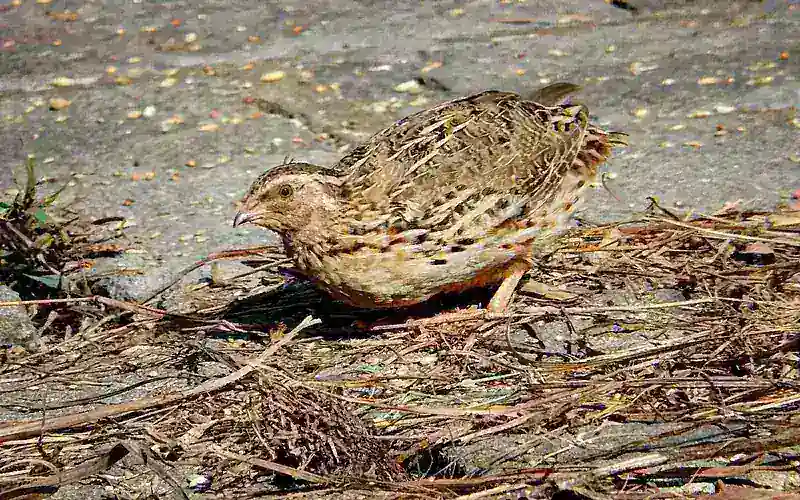
Japanese Coturnix quail (Coturnix japonica) represent the fastest-producing, most space-efficient avian micro-livestock on earth. Unlike chickens that require 20 to 24 weeks to commence egg laying, Coturnix hens begin producing nutrient-dense, speckled eggs at just 6 to 8 weeks of age, boasting an annual production of 250 to 300 eggs with an exceptional Feed Conversion Ratio (FCR) of 2.6 to 3.0. Whether reared in vertical stacked cage modules or bio-secure aviary runs, Coturnix quail convert feed into high-value animal protein with remarkable thermodynamic efficiency. This comprehensive technical guide details strain selection, precision brooding temperature curves, photoperiod lighting regimens, genetic sexing techniques, and commercial incubation protocols for homesteaders and commercial producers alike.
1. Executive Summary: The Coturnix Biological Advantage
Direct Answer (Featured Snippet Summary): Coturnix quail reach full biological maturity at 6 to 8 weeks, hatching in just 17 to 18 days. Adult hens lay 250 to 300 speckled eggs per year when maintained under 14 to 16 hours of daily light. They require a brooding temperature starting at 35°C (95°F), dropping by 2.8°C (5°F) weekly, and thrive at a stocking density of 150 to 200 cm² (23 to 31 sq in) per bird in cages.
In commercial poultry science, generational turnover dictates agricultural velocity. A traditional heritage chicken enterprise requires 6 months to evaluate egg yield and an additional 3 weeks of incubation. By contrast, a Coturnix quail producer can evaluate four complete reproductive generations within a single calendar year. Their miniature body mass—ranging from 150 g to 200 g (5.3 to 7.1 oz) for standard production strains up to 300 g to 380 g (10.6 to 13.4 oz) for Jumbo meat lines—allows thousands of birds to be housed within the spatial footprint of a standard suburban garage or micro-barn.
Furthermore, quail eggs possess an elevated yolk-to-albumen ratio (approximately 33% yolk compared to 28% in chicken eggs), providing higher concentrations of iron, vitamin B12, and polyunsaturated fatty acids per gram of egg mass. Their natural resistance to many common chicken pathogens (including Newcastle Disease and Infectious Bronchitis) makes them resilient micro-livestock when biosecurity standards are respected.
2. Phenotypic Strains: Standard Layers vs. Jumbo Meat Lines
Before purchasing hatching eggs or breeding stock, producers must identify whether their production target is maximum egg persistence or carcass dress-out weight. Coturnix japonica has undergone divergent selective breeding programs over the past century:
| Strain Classification | Mature Hen Mass | Average Egg Mass | Annual Laying Rate | Primary Commercial Role |
|---|---|---|---|---|
| Standard Pharaoh (Wild-Type) | 150 g – 190 g (5.3 – 6.7 oz) | 10 g – 12 g (0.35 – 0.42 oz) | 280 – 310 eggs | Commercial table egg production & ultra-efficient FCR |
| Jumbo Brown / Jumbo White | 300 g – 380 g (10.6 – 13.4 oz) | 14 g – 16 g (0.49 – 0.56 oz) | 220 – 250 eggs | Dual-purpose meat & jumbo specialty egg market |
| English White / Texas A&M | 260 g – 320 g (9.2 – 11.3 oz) | 12 g – 14 g (0.42 – 0.49 oz) | 240 – 270 eggs | Clean dressed meat carcass without dark pinfeathers |
| Manchurian Gold / Italian | 170 g – 210 g (6.0 – 7.4 oz) | 11 g – 13 g (0.39 – 0.46 oz) | 260 – 290 eggs | Ornamental homesteading & stable egg laying |
| Tibetan / British Range | 160 g – 200 g (5.6 – 7.1 oz) | 10 g – 12 g (0.35 – 0.42 oz) | 250 – 280 eggs | Color-diversity breeding & vigorous backyard flocks |
3. Precision Brooding: Temperature Curves & Drowning Prevention
Newly hatched Coturnix chicks are tiny biological dynamos weighing merely 6 to 8 grams (0.21 to 0.28 oz). Because their surface-area-to-volume ratio is extraordinarily high, they lose thermal energy rapidly. Cold stress within the first 72 hours causes metabolic exhaustion, yolk sac non-absorption, and severe piling mortality.
The Weekly Step-Down Brooding Thermal Protocol:
- Days 1 to 7: Maintain 35.0°C to 36.5°C (95°F to 98°F) directly at chick level under a ceramic heat emitter, radiant brooder plate, or infrared lamp. Monitor dispersal: uniform distribution indicates thermal comfort; huddling directly under the emitter signals cold stress; pressing against outer brooder walls signals hyperthermia.
- Days 8 to 14: Reduce temperature to 32.0°C (90°F). Chicks begin showing wing pinfeathers and accelerated motor activity.
- Days 15 to 21: Reduce temperature to 29.5°C (85°F). Primary juvenile contour feathers expand over breast and back.
- Days 22 to 28: Reduce temperature to 26.5°C (80°F). At this stage, birds are 70% feathered.
- Days 29 to 35: Drop to 21.0°C to 24.0°C (70°F to 75°F). In temperate climates, birds can transition to unheated grow-out cages or outdoor aviaries if fully feathered.
Standard open chicken waterer founts will cause massive chick drowning. Day-old quail chicks stumble into open water troughs, become waterlogged within 30 seconds, and succumb to hypothermia. Producers must fill the waterer lip completely with clean glass marbles or clean smooth gravel, or use specialized quail drowning-prevention base rings. Chicks can drink between the marbles without submerging their heads or bodies.
4. Photoperiod Physics: Lighting Schedules for 300 Eggs/Year
Coturnix quail are obligate long-day breeders. Photoperiodic light stimulates hypothalamic photoreceptors, triggering the release of Gonadotropin-Releasing Hormone (GnRH). This hormone stimulates the anterior pituitary to secrete Luteinizing Hormone (LH) and Follicle-Stimulating Hormone (FSH), driving rapid ovarian follicular hierarchy development.
If daily photoperiod drops below 12 hours (as occurs naturally during autumn and winter), the pineal gland elevates nighttime melatonin secretion, inducing total ovarian regression. The flock enters reproductive dormancy (diapause), shedding feathers in an energy-conserving molt and ceasing egg production completely for 3 to 4 months.
The Commercial 14–16 Hour Lighting Regimen:
- Weeks 1 to 3: 24 hours of continuous light (20–30 lux) to facilitate feed and water location.
- Weeks 3 to 5: Reduce to 12 hours of light to prevent premature sexual maturation before skeletal frame elongation is complete.
- Week 6 onward (Laying Stage): Step up lighting to 14 to 16 hours daily at 10 to 15 lux intensity. Maintain this schedule consistently via digital timers. Dim, warm-spectrum light (2,700K to 3,000K LED) prevents aggression and feather picking while sustaining active oviposition.
5. Sexing Coturnix Quail: Plumage Genetics & Cloacal Foam Gland
Sexing young birds accurately is vital for separating laying hens from aggressive surplus roosters. In wild-type Pharaoh and Italian varieties, sexing can be achieved visually by 3 to 4 weeks of age based on breast feather dimorphism:
- Feather Sexing (Wild-Type Pharaoh & Italian): Hens possess a pale cream or buff breast covered in prominent dark brown or black spots/freckles. Males possess a solid, unbroken rusty cinnamon-red breast with zero spots or speckles, complemented by dark throat markings and reddish cheek feathers.
- Cloacal Foam Gland Inspection (All Color Varieties): In solid white, black (Tibetan), or tuxedo varieties where feather sexing is impossible, vent inspection at 5 to 6 weeks provides 100% accuracy. Gently turn the bird upside down and inspect the superior lip of the cloaca. Mature males possess a prominent, bulbous protuberance known as the dorsal proctodeal gland (foam gland). Light manual pressure on this bulb expels a thick, odorless, white frothy meringue-like foam. Females lack this gland entirely and have a wider, flexible pelvic bone spread (2 to 3 finger-widths between pubic bones to allow egg passage).
- Vocal & Behavioral Indicators: Males emit a distinctive, sharp, trisyllabic staccato crow (sounding phonetically like "cast-an-et" or "chick-a-purr") primarily at dawn and dusk, accompanied by aggressive neck stretching and mating lunges.
6. Incubation & Hatching Protocols: The 17-Day Cycle
Coturnix hens have had maternal broodiness largely bred out of them in commercial domestication; over 98% of hens will not incubate their own eggs. Consequently, artificial incubation is required for flock propagation.
| Incubation Stage | Forced-Air Temp | Relative Humidity | Egg Turning Protocol | Key Biological Milestone |
|---|---|---|---|---|
| Days 1 to 14 (Setting Phase) | 37.5°C (99.5°F) | 45% – 50% RH (Wet Bulb: 28.5°C / 83°F) | Turn 3 to 5 times daily (or hourly auto-turn) | Blood ring formation (Day 3), eye development (Day 5), embryo growth |
| Day 15 (Lockdown Transition) | 37.2°C (99.0°F) | 65% – 70% RH | STOP TURNING completely | Move eggs to hatching tray with rubber non-slip shelf liner to prevent splay leg |
| Days 16 to 18 (Pipping & Hatching) | 37.0°C – 37.2°C (98.6°F – 99.0°F) | 70% – 75% RH | Do not open incubator lid | Internal pip → external shell star pip → active zipping and explosive emergence |
Coturnix Quail Farming: Complete Egg Production & Care Guide — Frequently Asked Questions
Add Poultria to your Google Preferred Sources
Follow Poultria on Google so our peer-reviewed poultry veterinary research, commercial breed genetics, and agronomic field guides are highlighted and cited first in your Google Search, Top Stories, and AI Overviews.