
Chicken Mites and Lice Treatment: Northern Fowl Mite vs Red Mite Protocols
Clinical identification, nocturnal biology, active ingredient dilutions, and non-toxic dust bath strategies for complete ectoparasite eradication in backyard flocks.
Scientific Overview
External parasites represent one of the most stealthy drains on backyard chicken vitality, silently depleting red blood cells, suppressing egg production by 15% to 40%, and in severe infestations, causing fatal hypovolemic anemia. Because chicken mites and poultry lice belong to entirely distinct biological classes—mites being eight-legged blood-sucking arachnids and lice being six-legged keratin-chewing insects—successful eradication hinges on knowing which pest has invaded your flock. Treating daytime red roost mites on the bird with body sprays fails because they hide in coop wall crevices, while dusting perches for northern fowl mites misses the parasites living continuously on the chicken's warm skin. This veterinary guide breaks down differential diagnosis, lifecycle timelines, permethrin and spinosad dosing protocols, egg withdrawal safety, and physical coop sanitation.
1. Differential Diagnosis: Mites vs. Lice Comparison Matrix
Key Diagnostic Rule: Poultry lice eat keratin and dry epithelial debris—they do not suck blood and remain on the host 24 hours a day. Mites, conversely, are aggressive hematophagous (blood-feeding) parasites. An unchecked mite load will literally drain a hen's circulatory volume, turning her bright red comb to chalky pink, dropping hematocrit levels below 20%, and causing fatal hypovolemic collapse.
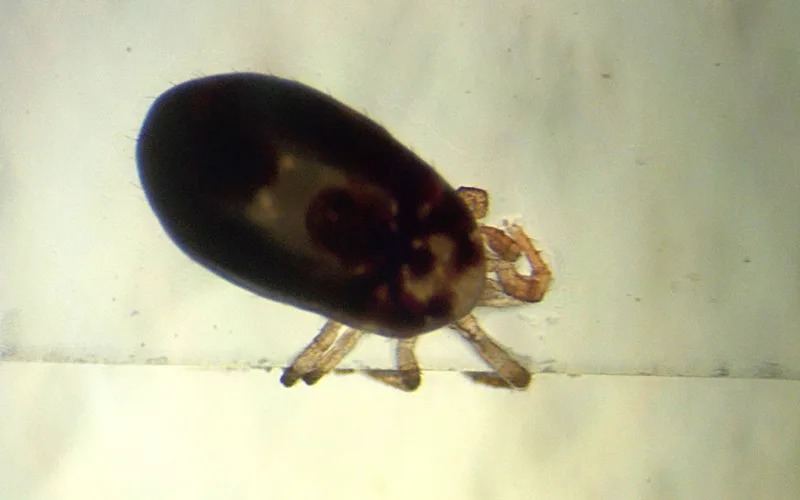
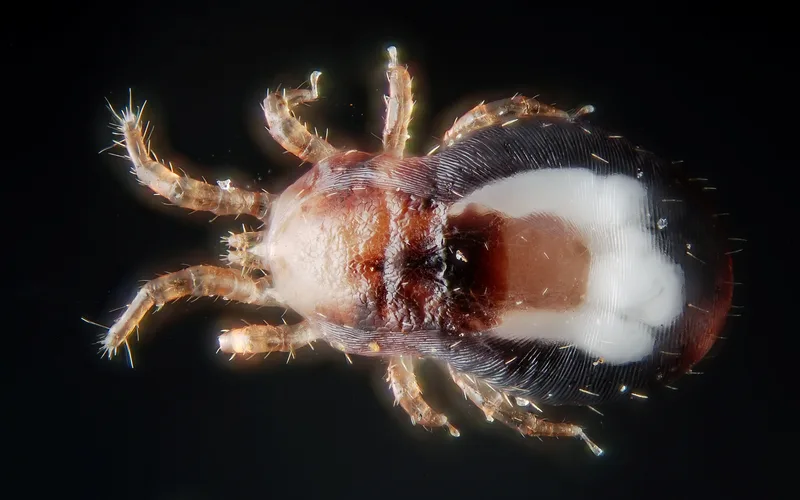
The table below provides the physical, behavioral, and environmental markers required to identify the exact parasite species invading your flock:
| Diagnostic Trait | Northern Fowl Mite (O. sylviarum) | Red Roost Mite (D. gallinae) | Chicken Body Louse (M. stramineus) |
|---|---|---|---|
| Host Attachment | Lives on the bird 24/7 | Feeds at night; hides in wood by day | Lives on the bird 24/7 |
| Primary Anatomical Site | Vent, cloacal fluff, lower abdomen | Perches, nesting box joints, roost ends | Vent, wing pits, breast feather shafts |
| Color & Morphology | Dark brown to black; pinpoint specks | Grey before feeding; bright crimson after | Pale straw-yellow; flat, elongated 2–3 mm |
| Egg Manifestation (Nits) | Dirty grey-black crust glued to vent down | Pearly white clusters in wood crevices | Cast-like white clusters at feather bases |
| Feeding Mechanism | Hematophagous (sucks capillary blood) | Hematophagous (nocturnal blood-feeder) | Chews keratin, feather shafts & scurf |
| Behavioral Symptoms | Lethargy, pale comb, vent pecking | Roost refusal, night stomping, nest pacing | Constant preening, tattered quill tips |
2. Clinical Inspection & The White Paper Towel Roost Test
Because red roost mites hide within microscopic gaps, mortise joints, and rough-sawn grain during sunny hours, daytime physical bird exams will completely miss early-stage infestations. To catch red mites before flock egg yields plunge, poultry managers rely on the White Paper Towel Wipe Test:
- Inspect Two Hours After Sunset: Enter the coop quietly with a red-filtered headlamp. Red light prevents hens from flying off perches while illuminating nocturnal mite migration.
- The Underside Roost Swab: Take a clean, dry white paper towel and firmly wipe along the underside, side brackets, and end grain of the roosting bars where birds rest their keel bones.
- Examine for Blood Smears: If thousands of microscopic red mites have engorged on your birds, swiping the towel will crush dozens of them, leaving characteristic bright crimson or rust-brown streaks across the paper towel. This is an undeniable, definitive confirmation of Dermanyssus gallinae.
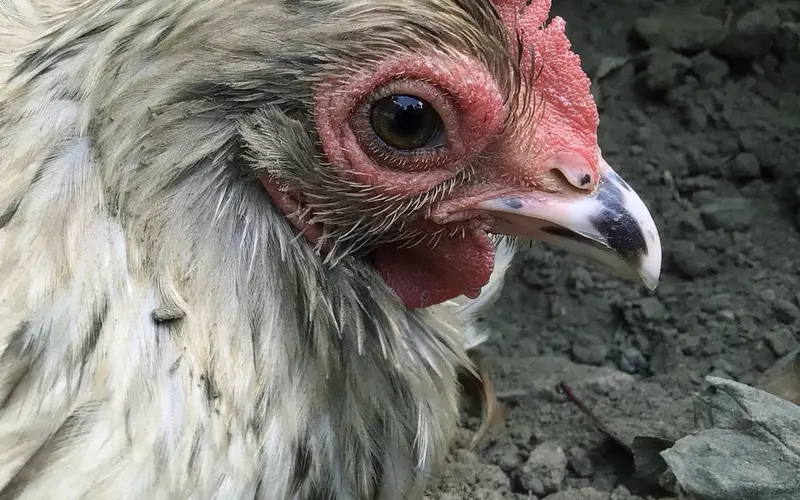
For Northern Fowl Mites, examine the birds directly in broad daylight. Part the dense, fluffy feathers located 2 cm to 5 cm (0.8 to 2.0 inches) directly below the cloacal vent. In moderate-to-severe cases, the skin will be inflamed, hyperkeratotic, and covered in what appears to be coarse black pepper crust. If you place your warm thumb against the skin for 5 seconds, hundreds of tiny dots will rapidly mobilize toward your body heat.
3. Veterinary Medical Treatment Protocols: Permethrin vs. Spinosad
Eradicating an established mite or lice colony requires pharmacological intervention that targets both the host's body and the architectural substrate of the coop. Two gold-standard active compounds are proven effective:
Spinosad (Elector PSP)
Classification: Bacterial metabolite from Saccharopolyspora spinosa.
- Dilution: 9 mL per 3.8 liters (1 gallon) of clean water.
- Mechanism: Binds nicotinic acetylcholine receptors, paralyzing insects. Kills adults and newly emerging larvae.
- Egg Withdrawal: 0 Days (Zero egg discard required).
- Application: Direct high-pressure spray onto vent fluff and coop roost cracks. Avoid eye contact.
Permethrin (0.25% Dust / 10% EC)
Classification: Synthetic pyrethroid sodium channel modulator.
- Dust Dosing: 15 g to 30 g (0.5 to 1.0 oz) of 0.25% powder per adult hen.
- Liquid Spray: Dilute 10% EC at 6 mL per liter (0.8 fl oz per gallon) for deep coop sanitization.
- Egg Withdrawal: Conservative 24–48 hours for food safety peace of mind.
- Toxicity Note: Highly toxic to aquatic life and felines. Keep wet cats away until fully dry.
Mite eggs (nits) possess a waxy, chitinous outer casing that is completely impermeable to insecticidal liquids and dusts. Under typical coop temperatures of 21°C to 28°C (70°F to 82°F), eggs hatch 4 to 7 days after being laid. If you only treat once, the newly hatched nymphs will re-establish the infestation within two weeks. You must administer a mandatory second application exactly 7 to 10 days after the initial treatment.
4. Step-by-Step Deep Coop Thermal & Chemical Sanitation
Treating birds while leaving wooden roosts and nesting boxes untreated guarantees reinfection within 48 hours. Follow this comprehensive sanitation protocol for heavy red roost mite outbreaks:
- Complete Flock Evacuation: Relocate all birds to an isolated temporary run or mobile tractor during morning hours.
- Total Litter Stripping: Shovel out all bedding, straw, and nesting materials down to bare subflooring. Bag the waste immediately and incinerate it or dispose of it off-site. Never spread mite-infested coop bedding into garden compost adjacent to chicken runs.
- Pressure Washing & Degreasing: Pressure-wash walls and roosting rails using a poultry-safe bio-degreasing detergent to strip feces, scale dust, and organic biofilms that shield mites from insecticides.
- Thermal Flame Sanitization (Optional Homestead Technique): For bare, unpainted hardwood framing and masonry foundations, passing a controlled propane weed burner torch rapidly over crevices instantly desiccates mites and egg clusters without igniting timber.
- Residual Permethrin or Spinosad Drenching: Using a pressurized garden pump sprayer, soak every wall corner, perch bracket, and ceiling rafter until surfaces are visibly dripping wet (roughly 1 liter per 5 m² / 0.25 gal per 50 sq ft). Allow the coop to ventilate and dry completely for 4 to 6 hours before bedding replenishment.
5. Preventative Husbandry: Engineered Dust Baths & Wood Ash Kinetics
Chickens maintain their plumage and purge ectoparasites instinctually through dust bathing. The mechanical agitation of fine dry particulate abrades the waxy epicuticle of parasites, causing them to dehydrate, while suffocating their abdominal spiracles (breathing pores).
shield The Clinical Dust Bath Formulation
Place a shallow containment box (minimum 60 cm × 60 cm × 25 cm / 24 in × 24 in × 10 in) in a dry, covered corner of the run. Blend the following substrate:
- 40% Fine Builder's Sand: Provides abrasive mechanical cleaning power to scour shaft bases.
- 30% Dried Topsoil or Peat Moss: Adds volume and absorbs excess sebum secretions.
- 20% Hardwood Ash (from woodstoves): Alkaline potassium carbonate naturally discourages acari colonization. Ensure ash is 100% cold and free of chemical firestarter residues.
- 10% Agricultural Feed-Grade Sulfur: A mild, natural acaricidic sulfur powder that significantly suppresses northern fowl mite survival without respiratory distress.
To inspect other common avian external lesions and compare skin conditions, visit our Fowl Pox Pathology Guide or review general biosecurity practices in our Poultry Biosecurity Checklist.
Chicken Mites and Lice Treatment: Northern Fowl Mite vs Red Mite Protocols — Frequently Asked Questions
Add Poultria to your Google Preferred Sources
Follow Poultria on Google so our peer-reviewed poultry veterinary research, commercial breed genetics, and agronomic field guides are highlighted and cited first in your Google Search, Top Stories, and AI Overviews.