
Winter Chicken Coop Care: Cold Tolerance, Anti-Frostbite & Zero-Draft Airflow
The cold-climate guide to winterizing your flock: avian cold physiology, preventing comb frostbite, zero-draft high-ridge ventilation, safe water de-icing, and why heat lamps are dangerous.
Scientific Overview
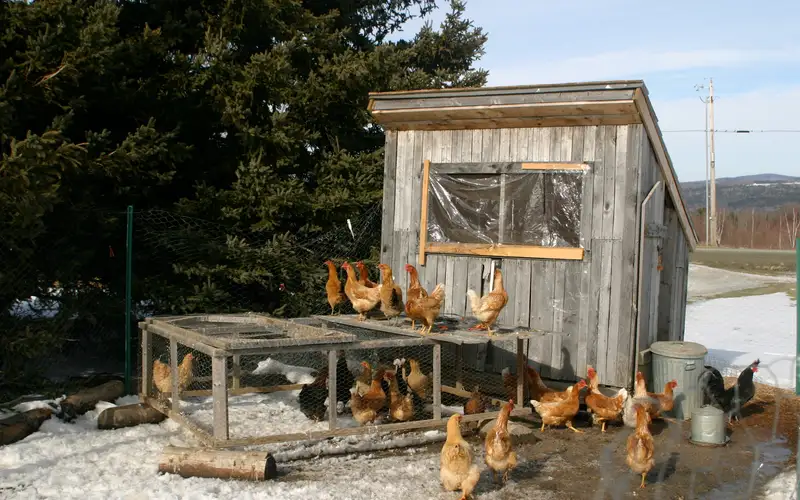
As freezing winter temperatures and blizzards arrive, chicken keepers naturally worry about their backyard flocks. Many well-meaning keepers rush out to buy red heat lamps or seal their coops airtight with plastic wrap—unwittingly creating the exact conditions for deadly coop fires, respiratory pneumonia, and severe comb frostbite. Chickens are far hardier than most people realize: equipped with an internal core temperature of 40.5°C to 41.7°C (105°F to 107°F) and thousands of insulating down feathers, standard breeds thrive in sub-zero winter weather without artificial heat. This veterinary guide explains avian cold physiology, breaks down zero-draft ridge ventilation mechanics, details comb frostbite prevention and treatment, and outlines safe water management to keep your flock healthy all winter long.
1. Avian Cold Physiology: How Chickens Stay Warm in Sub-Zero Weather
Avian Thermal Power: A chicken's normal internal body temperature is 40.5°C to 41.7°C (105°F to 107°F). Standard adult chickens wear a biological down jacket consisting of thousands of tiny, interlocking down feathers that trap pockets of warm body heat against their skin. Cold air does not hurt chickens—damp, stagnant air and cold drafts are what make them sick.
Humans feel cold when winter sets in because we lack natural insulation. Chickens, however, are biological furnaces. When ambient temperatures drop, hens puff up their plumage, trapping a thick insulating barrier of heated air between their skin and the outer feather layer. At night, they crouch flat over their roosting perches, tucking their heads under their wings and enveloping their bare toes inside warm breast feathers.
Temperature Thresholds for Backyard Poultry
| Ambient Temperature | Flock Physiological State | Management Action Required |
|---|---|---|
| 10°C to 20°C (50°F to 68°F) | Thermal comfort zone; optimal lay rates | Standard seasonal ventilation and routine care |
| 0°C to 10°C (32°F to 50°F) | Mild cold; feed intake increases by 5% to 10% | Check water fonts to ensure no morning icing |
| -10°C to 0°C (14°F to 32°F) | Moderate sub-freezing; birds fluff feathers | Ensure high-ridge vents remain open; switch to heated water bases |
| -20°C to -10°C (-4°F to 14°F) | Severe cold; increased metabolic calorie burn | Provide wide 2x4 perches; afternoon corn/scratch for gizzard heat |
| Below -25°C (-13°F) | Extreme Arctic freeze; frostbite risk elevates | Inspect combs; optionally activate safe radiant flat heater panel |
2. The #1 Winter Killer: Moisture vs. Cold (Zero-Draft Ventilation)
The biggest mistake beginner chicken keepers make in winter is sealing their chicken coop completely airtight. Seeing snow outside, they wrap the coop in plastic tarps, tape windows shut, and seal every vent. Within forty-eight hours, the chickens' combs develop severe black frostbite and birds begin coughing.
The Physics of Coop Humidity:
Chickens do not sweat, but they produce a staggering amount of moisture. A flock of just ten adult hens exhales and excretes over 1.0 liter to 1.5 liters (1 to 1.5 quarts) of water vapor every single day through respiration and moist droppings. If a coop is sealed airtight:
- Frostbite Condensation: The warm, humid air rises to the ceiling, condenses on cold surfaces, and rains back down as microscopic ice crystals that settle on the fleshy spikes of combs and wattles. When moist comb tissue hits sub-zero air, the cells freeze solid, leading to tissue necrosis.
- Toxic Ammonia Vapor: Droppings ferment in high humidity, releasing caustic ammonia gas (NH3). Without ventilation, ammonia concentrations exceed 25 ppm, paralyzing the cilia in the hens' respiratory tracts and triggering infectious coryza and mycoplasma outbreaks.
How Zero-Draft Ventilation Works:
There is a critical difference between ventilation and a draft. A draft is cold wind blowing directly across the birds' sleeping bodies, stripping away their warm boundary layer of air. Zero-draft ventilation consists of opening large vents high at the roof peak, soffits, or cupola—at least 60 cm (2 feet) higher than the highest roosting perch. Because warm, moist air naturally rises via thermal buoyancy, it vents out the roof vents harmlessly, drawing in dry air while the chickens sleep below in completely still, calm air.
3. Interactive Winter Chill & Comb Frostbite Risk Auditor
Use this interactive auditor to determine your flock's frostbite risk based on current outdoor temperatures and your coop's ventilation and humidity status:
Frostbite Hazard Assessment:
LOW RISKWith dry bedding and open high-ridge vents, ambient humidity is safely exhausted. Feathers stay dry and birds regulate body heat normally down to -15°C (5°F) with no supplemental heat.
4. Comb Frostbite: Prevention, Triage & Veterinary Treatment
Frostbite occurs when extreme cold causes blood vessels in the extremities (comb tips, wattles, and toes) to constrict, conserving core heat. In humid conditions, ice crystals form inside the cells, rupturing cell walls and killing the tissue.
The Truth About Vaseline on Combs:
For decades, old-timers recommended slathering petroleum jelly (Vaseline) or wax balms on large chicken combs before cold snaps. While it can form a mild barrier against windburn, veterinary studies have found that if the coop has high humidity, petroleum jelly can actually trap moisture droplets directly against the skin, accelerating freeze damage. Furthermore, hens preen and transfer the greasy jelly onto their down feathers, ruining the feathers' insulating loft. The only genuine solution to frostbite is dry air, high ventilation, and wide 2x4 roosting bars.
How to Treat Frostbitten Combs (What NOT to Do):
- DO NOT Rub Frozen Tissue: Never rub snow or your fingers against frostbitten skin. Rubbing crushes fragile, frozen cells, turning minor damage into irreversible necrosis.
- DO NOT Pop Fluid Blisters: Clear or blood-filled blisters form as a sterile biological bandage. Popping them invites severe bacterial infections.
- DO NOT Use Direct Fire or Hair Dryers: Thawing tissue too rapidly causes severe pain and reperfusion shock. Allow the bird to warm up gradually at room temperature.
- Apply Antiseptic Spray: Spray affected comb tips twice daily with an antibacterial, non-stinging wound care solution (such as Vetericyn Plus or 0.5% chlorhexidine). Over 2 to 3 weeks, blackened frostbitten tips will dry out and naturally slough off, leaving healthy pink tissue behind.
5. The Heat Lamp Hazard & Safe Heating Alternatives
Every winter, agricultural fire departments across North America and Europe respond to hundreds of coop barn fires. The culprit is almost always the same: a 250-watt clamp-on red heat lamp.
Why Heat Lamps are Lethal in Chicken Coops:
- Dry Bedding & Dust: Chicken coops are filled with dry pine shavings, straw, and feather dander. A 250W bulb surface reaches over 230°C (450°F)—hot enough to ignite dry pine dust on contact.
- Wing Flapping: Flapping chickens frequently knock heat lamps down into the bedding, causing a total fire within two minutes.
- Hypothermic Death from Power Outages: If chickens become acclimated to an artificial 21°C (70°F) coop and a winter storm knocks out power in -15°C (5°F) weather, the flock's bodies cannot handle the sudden 35-degree temperature plunge, resulting in rapid flock mortality.
Safe Radiant Alternatives (If Extreme Cold Strikes):
If you experience sustained temperatures below -25°C (-13°F) and wish to provide mild tempering heat, install a zero-light radiant heat panel (such as a Sweeter Heater or flat panel brooder). These units operate at gentle temperatures, emit zero open flames, consume only 40 to 150 watts, and heat the bird's body directly via infrared radiation rather than trying to heat the whole ambient air.
6. Winter Nutrition & The Deep Litter Biological Compost Method
Two powerful homesteader strategies can transform your coop into a self-heating, warm winter refuge without electric heaters:
Evening Cracked Corn (Internal Furnace Fuel):
Feed each hen 1 to 2 tablespoons of cracked corn or black oil sunflower seeds about thirty minutes before dusk. Corn is rich in dense carbohydrates. As the muscular gizzard breaks down and digests the hard grain over several hours at night, the digestive process generates continuous metabolic heat, acting like an internal hot water bottle while the chicken roosts.
The Deep Litter Method: Biological Underfloor Heating
Rather than cleaning out bedding weekly, homesteaders build up a 15 cm to 25 cm (6 to 10-inch) layer of carbon bedding (dry pine shavings, chopped straw, and leaves) starting in autumn:
- Aerobic Composting: Chicken droppings (high in nitrogen) blend with the pine shavings (high in carbon). Beneficial aerobic microbes break down the mixture directly on the coop floor.
- Thermal Heat Generation: Active aerobic composting releases mild biological radiant warmth, raising floor temperatures by 5°C to 10°C (9°F to 18°F) above outside ambient temperatures.
- Flock Turning: Scatter a handful of scratch grains on the bedding each morning; the hens will vigorously scratch and turn the litter for you, keeping it oxygenated, dry, and odor-free all winter.
Winter Chicken Coop Care: Cold Tolerance, Anti-Frostbite & Zero-Draft Airflow — Frequently Asked Questions
Add Poultria to your Google Preferred Sources
Follow Poultria on Google so our peer-reviewed poultry veterinary research, commercial breed genetics, and agronomic field guides are highlighted and cited first in your Google Search, Top Stories, and AI Overviews.