
Avian Influenza in Chickens: Symptoms, Pathology & Outbreak Control
Comprehensive veterinary guide on Influenza A genetics, HPAI versus LPAI pathotypes, shank hemorrhages, comb cyanosis, and biosecurity containment.
Scientific Overview
Avian influenza in poultry is a severe infectious respiratory and systemic disease caused by Influenza A viruses of the family Orthomyxoviridae. Classified into Low Pathogenic (LPAI) and Highly Pathogenic (HPAI) forms based on molecular virulence in chickens, HPAI triggers explosive flock mortality approaching 100% within 48 hours. Recognizing symptoms of avian flu in chickens, including comb cyanosis, subcutaneous shank petechiae, and acute drop in egg production, is critical for rapid quarantine and containment.
Etiology, Genomic Structure & Pathotype Cleavage Motifs
Molecular Pathology: Avian influenza viruses are enveloped, negative-sense, single-stranded RNA viruses with an eight-segment genome. Surface glycoproteins hemagglutinin (H1 to H16 in birds) and neuraminidase (N1 to N9) define the subtype. Virulence in gallinaceous poultry is dictated by the amino acid sequence across the hemagglutinin cleavage site (HA0).
In Low Pathogenic Avian Influenza (LPAI), the cleavage site contains a single arginine residue cleaved only by trypsin-like proteases localized exclusively in the respiratory and gastrointestinal tracts. Consequently, LPAI produces mild tracheitis, drop in feed intake, or lowered egg production.
In Highly Pathogenic Avian Influenza (HPAI), mutations introduce multiple basic amino acids (arginine and lysine) into the cleavage motif. Ubiquitous intracellular proteases like furin and PC6, present in all endothelial and parenchymal cells across every organ, cleave this polybasic site. This systemic cleavage triggers massive endothelial cell necrosis, microvascular thrombosis, widespread multi-organ hemorrhage, and peracute circulatory collapse.
Comprehensive Symptoms of Avian Flu in Chickens and Hens
Identifying avian flu symptoms in hens and chicken flu symptoms in chickens requires careful observation of both behavioral and physical alterations. Because bird flu in poultry symptoms progress rapidly, flocks may appear healthy in the evening and exhibit 30% to 50% mortality by morning:
| Organ System | Clinical Sign / Manifestation | Pathological Mechanism | Severity Rating |
|---|---|---|---|
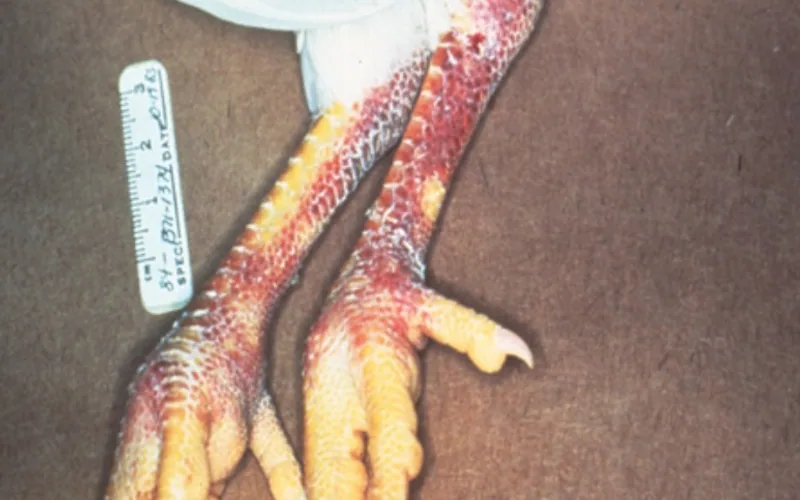
| Integumentary | Cyanosis of comb, wattles, and eyelids; swollen face and head; pinpoint petechial hemorrhages on shanks and foot webs | Endothelial necrosis, blood extravasation, and acute vascular leakage | Pathognomonic (Critical) |
| Respiratory | Severe rales, coughing, sneezing, nasal discharge, open-mouth gasping | Hemorrhagic consolidation of lung parenchyma and catarrhal tracheal exudate | High |
| Digestive | Profuse bright green or watery diarrhea, total anorexia, crop stasis | Bile regurgitation from anorexia and direct enterocyte lysis | High |
| Reproductive | Catastrophic egg drops (up to 100%), soft-shelled, chalky, or shell-less eggs, ruptured yolk peritonitis | Acute necrosis of oviduct magnum and follicular atresia in laying hens | Severe |
| Neurological | Tremors, torticollis (twisted neck), paralysis, circling, convulsive wing flapping | Non-suppurative encephalitis and neural micro-infarcts | Critical |
Backyard poultry keepers frequently note that symptoms of avian flu chickens present first as dullness: hens sit huddled with closed eyes, feathers ruffled, completely unresponsive to feed or human presence. In severe H5N1 or H5N8 outbreaks, sudden mortality occurs without any prior prodromal signs.
Gross Pathology & Necropsy Findings
Post-mortem examination of birds deceased from HPAI demonstrates intense systemic vascular breakdown:
- Proventricular Hemorrhages: Petechial and ecchymotic hemorrhages concentrated at the papillae tips of the proventriculus lining, often accompanied by ulceration at the junction of the proventriculus and gizzard.
- Subcutaneous Edema & Shank Erythema: Gelatinous straw-colored exudate pooling in head and neck subcutaneous connective tissues, with distinct dark red hemorrhagic rings under the scales of unfeathered shanks.
- Thoracic Lesions: Massive congestion of lung tissue with blood and fluid, petechial hemorrhages covering epicardial fat over the heart apex, and fibrinous pericarditis.
- Pancreas Necrosis: Multifocal pale white or yellowish necrotic patches across the pancreatic parenchyma, occasionally framed by red hemorrhagic halos.
Differential Diagnosis: Differentiating HPAI from Common Mimics
Because avian influenza shares clinical signs with several other devastating poultry diseases, rapid laboratory differentiation is essential:
| Diagnostic Marker | Highly Pathogenic Avian Influenza (HPAI) | Velogenic Newcastle Disease (vND) | Infectious Laryngotracheitis (ILT) | Acute Fowl Cholera (Pasteurella) |
|---|---|---|---|---|
| Primary Lesion Site | Systemic endothelium, shanks, comb, pancreas | Cecal tonsils, Peyer's patches, proventriculus | Larynx and upper trachea (bloody casts) | Liver (miliary white necrosis), lungs |
| Shank Hemorrhages | Common and pronounced | Rare or inconsistent | Absent | Absent |
| Tracheal Exudate | Serosanguinous / catarrhal | Hemorrhagic / mucus | Severe caseous plugs & blood clots | Mucoid |
| Bacterial Smear / PCR | Influenza A M-gene RT-qPCR (+) | APMV-1 F-gene RT-qPCR (+) | GaHV-1 gC PCR (+) | Bipolar Giemsa rods (+) |
Quarantine Protocols, Biosecurity & Regulatory Reporting
Avian influenza is a mandatory notifiable disease under World Organisation for Animal Health (WOAH) statutes. Treatment is legally prohibited in commercial poultry across most jurisdictions due to zoonotic risks and the danger of driving drug-resistant mutations.
Action Checklist Upon Suspected Outbreak:
- Immediate Lockout: Seal the poultry house immediately. Halt all movement of birds, eggs, litter, manure, feed vehicles, and personnel off the premises.
- Official Notification: Call state animal health officials or national veterinary services immediately. Provide flock size, age, mortality curves, and observed clinical signs.
- Sanitary Zone Establishment: Regulatory bodies establish a 3 km (1.86 miles) protection zone and a 10 km (6.21 miles) surveillance zone around infected premises to monitor neighboring flocks.
- Depopulation & Composting: Stamped-out carcasses undergo on-farm carbon-envelope composting where internal temperatures must maintain >55°C (131°F) for at least 14 days to achieve total viral thermal inactivation.
Preventive biosecurity requires eliminating wild waterfowl access to poultry ranges. Waterfowl (mallards, geese, teal) shed high viral concentrations in feces into open farm ponds and wet grazing pastures without displaying symptoms. Ensure all flock drinking water is treated through chlorination or deep groundwater wells rather than surface retention ponds.
 biotech Clinical Pathology
Related Calculators
Scientific Literature
- Swayne, D. E., & Suarez, D. L. (2020). Avian Influenza. In Diseases of Poultry (14th ed., pp. 210-256). Wiley-Blackwell.
- World Organisation for Animal Health (WOAH). (2024). Highly Pathogenic Avian Influenza. Terrestrial Animal Health Code.
- Peiris, M., & Cowling, B. J. (2023). Avian influenza viruses in poultry and humans: An ongoing global challenge. The Lancet Infectious Diseases, 23(9), 1012-1025.
- Food and Agriculture Organization (FAO). (2022). Biosecurity Guide for Avian Influenza in Commercial Poultry Facilities. Rome: FAO Animal Production and Health Guidelines.