
Raising Quail for Beginners: Setup, Breeds & Quail vs Chickens
The ultimate introductory guide to backyard and urban quail: legalities, zero-crowing advantages, breed comparisons, egg timelines, and housing blueprints.
Scientific Overview
For urban homesteaders, suburban gardeners, and small-scale livestock keepers, raising quail has emerged as the ultimate poultry secret. While backyard chickens often collide with strict municipal zoning restrictions, 90-decibel rooster noise complaints, and expansive yard space demands, domesticated quail thrive quietly in compact vertical footprints. Reaching full reproductive maturity in just 6 weeks—compared to 5 to 6 months for chickens—quail produce abundant nutrient-dense speckled eggs and gourmet meat with remarkable thermodynamic and feed efficiency. Whether you are navigating Homeowners Association (HOA) bylaws, seeking fresh daily table eggs from a patio, or establishing an alternative micro-livestock flock, this veterinary and practical guide provides the essential foundation: comparing quail versus chickens, evaluating species taxonomy, preventing fatal flight trauma, understanding legal classifications, and deploying an optimal beginner setup.
1. The Urban & Suburban Secret: Why Raise Quail?
Direct Answer (Featured Snippet Summary): Raising quail offers three decisive advantages over chickens for beginners: (1) Velocity: Coturnix hens lay edible eggs at 6 to 8 weeks of age (vs. 20–24 weeks for chickens); (2) Silence: Male quail do not crow loudly, emitting only a gentle 15–20 dB cricket-like trill that cannot be heard through walls; and (3) Space: A compact 4-tier hutch taking up just 1 m² (10.7 sq ft) of floor space comfortably accommodates 20–24 birds, producing 14 to 18 eggs daily.
In traditional poultry husbandry, backyard chicken keeping frequently stalls over property line setbacks, municipal bans on roosters, and predator security. Domesticated quail—predominantly the Japanese Coturnix (Coturnix japonica)—completely redefine these boundaries. Because they are biologically classified as gamebirds rather than traditional farm livestock, millions of suburban households can legally keep quail under local codes that strictly prohibit chickens.
Furthermore, quail possess remarkable disease resilience. In clean, bio-secure housing, they are largely resistant to common backyard chicken ailments such as Infectious Bronchitis (IBV) and Marek's Disease. When paired with their whisper-quiet demeanor and lightning-fast reproductive cycle, they represent the single most accessible path to domestic egg and meat self-sufficiency.
2. Quail vs. Chickens: The Head-to-Head Comparison Matrix
Before purchasing equipment, aspiring keepers must objectively evaluate the physiological and practical trade-offs between chickens and quail. While chickens yield larger individual eggs, quail dramatically outperform chickens in startup speed, land-use density, and regulatory flexibility:
| Metric | Coturnix Quail | Backyard Chickens |
|---|---|---|
| Time to First Egg | 6 to 8 weeks (42–56 days) | 20 to 24 weeks (140–168 days) |
| Incubation Duration | 17 to 18 days | 21 days |
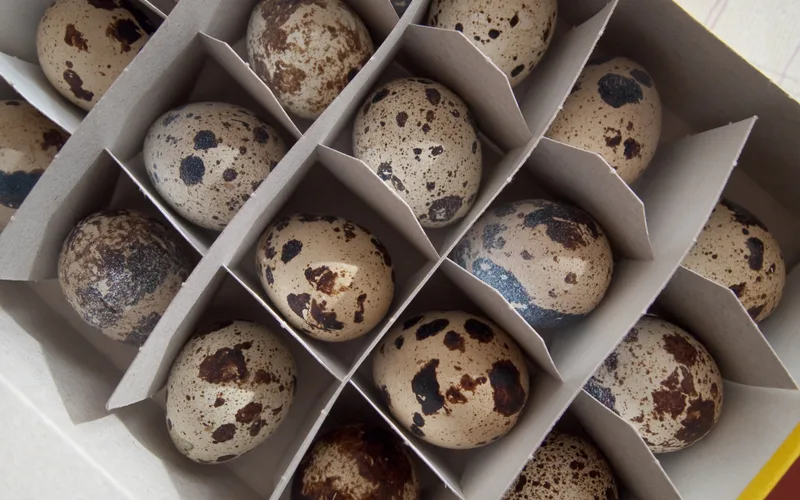
| Annual Egg Yield | 250 to 300 speckled eggs | 200 to 280 standard eggs |
| Noise Level (Males) | 15–20 dB (Soft cricket-like trill) | 85–95 dB (Piercing rooster crow) |
| Housing Space Needed | 150–200 cm² (23–31 sq in) per bird | 0.37–0.93 m² (4–10 sq ft) per bird |
| Feed Conversion (FCR) | 2.6 to 3.0 | 3.2 to 4.5 |
| Free-Range Ability | Zero (Flushes & flies away) | High (Homing instinct to coop) |
| Average Lifespan | 2 to 3 years | 6 to 10 years |
| Butchering Age (Meat) | 7 to 9 weeks (Jumbo strains) | 8 to 16 weeks (Broilers/Dual-purpose) |
3. Popular Quail Breeds Compared: Choosing the Right Species
Not all quail are created equal. Beginners often confuse wild North American gamebirds with fully domesticated Old World agricultural quail. Selecting the correct taxonomic species is the single most critical decision for your setup:
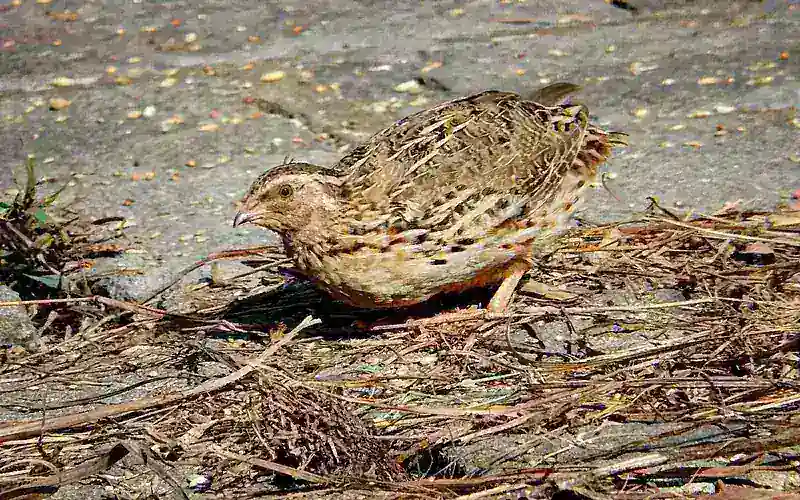
1. Japanese Coturnix (Coturnix japonica) — The Homesteader's Gold Standard
Coturnix are the only true domesticated production quail on earth. They have been bred for centuries for high egg output and tender meat. They do not require gamebird permits in 95% of jurisdictions, cannot survive in the wild, and are ready to lay eggs at 6 weeks. Within Coturnix, you can choose between Standard Production Strains (optimized for 300 eggs/year at 150–200 g body weight) and Jumbo Lines (such as Jumbo Brown or Texas A&M, reaching 300–380 g / 10.6–13.4 oz for prime table meat).
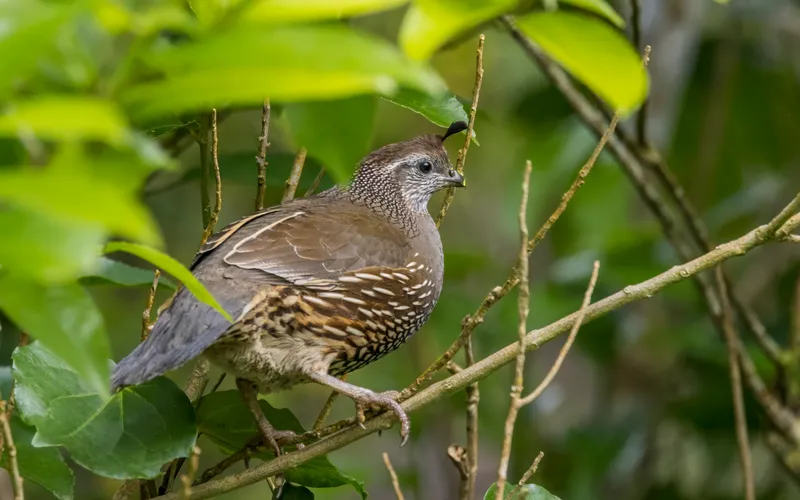
2. California Valley Quail (Callipepla californica) — The Ornamental Crown
Distinguished by their striking black-and-white facial plumes and curved topknots, California Valley Quail are iconic western gamebirds. While visually breathtaking in landscaped aviaries, they are monogamous, lay seasonally (only 15 to 30 eggs in spring), and remain wild and flighty. They are kept as ornamental aviary specimens rather than homestead production livestock.
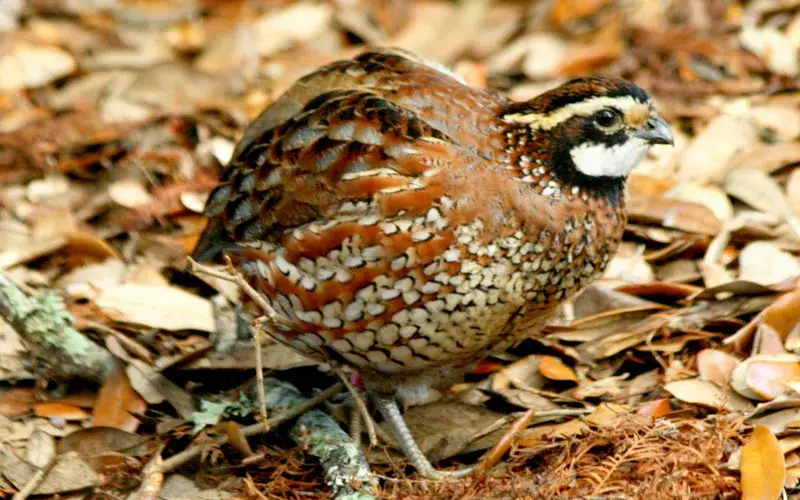
3. Northern Bobwhite (Colinus virginianus) — The Wild Sporting Bird
Native to North America, Bobwhites are renowned for their clear "bob-WHITE!" whistle. Unlike docile Coturnix, Bobwhites require 16 to 24 weeks to mature, take 23 days to incubate, and retain ferocious wild instincts. They are primarily raised by commercial hunting preserves, dog trainers, and wildlife conservationists. Because they are a native wildlife species, state Department of Natural Resources (DNR) propagation permits are almost universally required.
4. Button / King Quail (Synoicus chinensis) — The Aviary Pet
Tiny bumblebee-sized birds weighing just 30 g to 45 g (1.1 to 1.6 oz), Button quail are strictly aviary pets. They are prized for cleaning up spilled seeds on the bottom of indoor finch and canary flights. They do not produce practical table eggs or meat.
4. Can You Free-Range Quail? (The Truth About the Fatal Flush Instinct)
One of the most frequent misconceptions among beginner poultry keepers transitioning from chickens is assuming quail can free-range on a lawn or pasture.
Veterinary Warning: Quail Cannot Free-Range! Unlike chickens, turkeys, or ducks, quail possess zero homing instinct. If left untethered on open grass, they will not return to a coop at dusk. The moment a dog barks, a shadow passes, or a person approaches, their evolutionary survival reflex triggers: an explosive, near-vertical takeoff (the "flush response") reaching speeds of 50 km/h (31 mph) within 1.5 seconds. Once flushed into surrounding brush or trees, they are rapidly killed by neighborhood cats, foxes, hawks, or exposure.
How to Safely Provide Pasture to Quail:
- Mobile Quail Tractors: Low-profile predator-proof ground arks built with 12.7 mm (1/2-inch) galvanized hardware cloth on all sides and a hardware-cloth bottom grid that allows grass shoots to poke through while preventing burrowing rats and weasels from entering.
- Walk-In Net-Covered Aviaries: Enclosed outdoor runs featuring soft netting suspended 15 cm (6 in) below solid roofing rafters to cushion birds when they flush. For exact structural dimensions, review our dedicated blueprint guide: Quail Cages vs Aviary Housing: Height, Wire & Space Plans.
5. Legalities, Permits & HOA Regulations
One of the greatest triumphs of quail keeping is navigating restrictive municipal ordinances and Homeowners Associations (HOAs). However, legality hinges on the specific biological classification of the bird you keep:
Domesticated Agricultural Species vs. Protected Native Wildlife
- Japanese Coturnix (Coturnix japonica): Classified under USDA and global veterinary bodies as domestic agricultural poultry (analogous to domestic chickens or turkeys). Because they are non-native Old World birds, state wildlife and game agencies (such as Texas Parks & Wildlife, California Fish & Wildlife, or Florida FWC) generally do not regulate Coturnix. No wildlife hunting or game propagation permits are required in most jurisdictions.
- Bobwhite & Mountain Quail (Colinus & Oreortyx): Classified as native migratory gamebirds. State environmental agencies fiercely protect wild genetic strains. Keeping Bobwhites almost universally requires a Class 3 or Game Bird Propagation Permit, mandatory annual inspections, leg banding, and strict reporting protocols.
The HOA Bylaw Advantage
Most HOA declarations and restrictive suburban covenants explicitly prohibit "chickens, roosters, ducks, and traditional livestock". Because Coturnix quail are kept in enclosed raised hutches on patios, sheds, or garages, make no intrusive noise, and are legally classified as caged birds or gamebirds, thousands of suburban homesteaders raise them completely within HOA rules without a single neighbor complaint.
6. Beginner Startup Checklist & Essential Gear
Getting started with your first covey of quail requires minimal upfront capital compared to a traditional chicken coop and run. Here is the veterinary-approved equipment checklist:
1. Housing / Hutch
Stackable multi-tier wire cages or wooden hutches. Ceilings must be either under 30 cm (12 in) or over 1.8 m (6 ft) to prevent fatal head trauma from flushing. Floor wire must be 12.7 mm × 12.7 mm (1/2 in × 1/2 in) galvanized hardware cloth to protect delicate feet while letting droppings fall cleanly into pull-out manure pans.
2. Gamebird Feed (28% Protein)
Do NOT feed standard chicken chick starter! Chicken starter contains only 18% to 20% protein, causing fatal leg disorders and organ failure in baby quail. Chicks require a dedicated 28% to 30% crude protein Gamebird Starter crumble for the first 6 weeks. Learn the biochemistry in our Quail Feed & Nutrition Guide.
3. Drown-Proof Waterers
Newly hatched quail chicks are the size of a bumblebee (6 to 8 grams). They will drown in standard chicken water troughs within seconds. Use shallow quail waterer bases filled with clean glass marbles or smooth gravel so chicks can drink from the crevices without falling in, or transition to clean poultry nipple waterers by week 2.
4. Brooder Heat Source
Start chicks at 35°C (95°F) during week 1, dropping temperature by 2.8°C (5°F) weekly until fully feathered at 4 to 5 weeks. Radiant ceramic heat emitters or adjustable brooder heating plates are vastly superior to red heat lamps because they eliminate fire hazards and allow natural circadian rest.
Ready to explore detailed strain selection, incubation humidity charts, and cloacal foam gland sexing? Transition directly to our definitive commercial handbook: Coturnix Quail Farming: Complete Egg Production & Care Guide.
Raising Quail for Beginners: Setup, Breeds & Quail vs Chickens — Frequently Asked Questions
Add Poultria to your Google Preferred Sources
Follow Poultria on Google so our peer-reviewed poultry veterinary research, commercial breed genetics, and agronomic field guides are highlighted and cited first in your Google Search, Top Stories, and AI Overviews.