
Silkie Bantam Breed Guide: Plumage, Genetics & Broodiness
Scientific reference covering Silkie hair-like feathers, hyper-broodiness, fibromelanosis skin, and care.
Scientific Overview
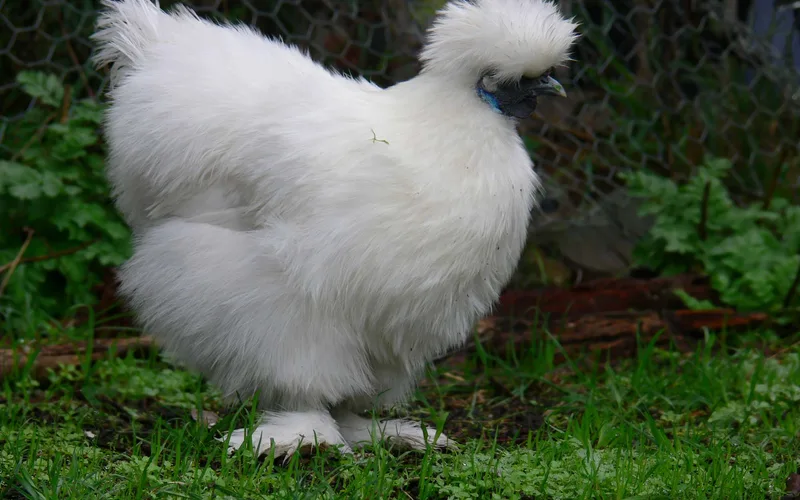
Silkies are one of the most distinctive poultry breeds in the world, featuring soft fur-like feathers, dark blue/black skin and bones (fibromelanosis), turquoise earlobes, crests, and five toes per foot. Prized as ornamental birds and unbeatable broody foster mothers.
Silkie Overview & Definition
The Silkie is defined as an ancient Asian bantam breed characterized by a recessive mutation preventing feather barbicels (creating fluffy fur plumage), hyper-pigmented black connective tissues (fibromelanosis), and 5 toes.
Because their feathers lack barbicels, Silkies cannot fly and have no waterproofing, requiring dry, predator-proof housing.
Broodiness & Performance Metrics
Silkie performance benchmarks:
- Annual Egg Production: 80–120 small cream tinted eggs
- Mature Hen Weight: 0.9–1.1 kg (Bantam standard)
- Mature Rooster Weight: 1.1–1.3 kg
- Maternal Broodiness Index: Highest among all avian species
Care & Special Rearing Needs
Silkies must be protected from rain and wet mud, which matted feathers cannot shed. Low coop roosting ramps and dry wood shavings bedding are essential.
Silkie Bantam Breed Guide: Plumage, Genetics & Broodiness — Frequently Asked Questions
Compare Similar Breeds & Genetic Benchmarks
Evaluate comparative performance: growth curves, annual egg yield, climate tolerance, and feed efficiency against genetically comparable poultry breeds:
Add Poultria to your Google Preferred Sources
Follow Poultria on Google so our peer-reviewed poultry veterinary research, commercial breed genetics, and agronomic field guides are highlighted and cited first in your Google Search, Top Stories, and AI Overviews.
 zoom_in Click to Enlarge
Related Calculators
Scientific Literature
- Poultry Genetics & Fibromelanosis Biology (Genetics Selection Evolution).
- American Standard of Perfection (2023).