
Cochin Chicken Guide: Giant Feathered Shanks, Historic 'Hen Fever' & Broodiness
The definitive guide to raising Cochin chickens: massive round body silhouette, foot feather care, and maternal broodiness.
Scientific Overview
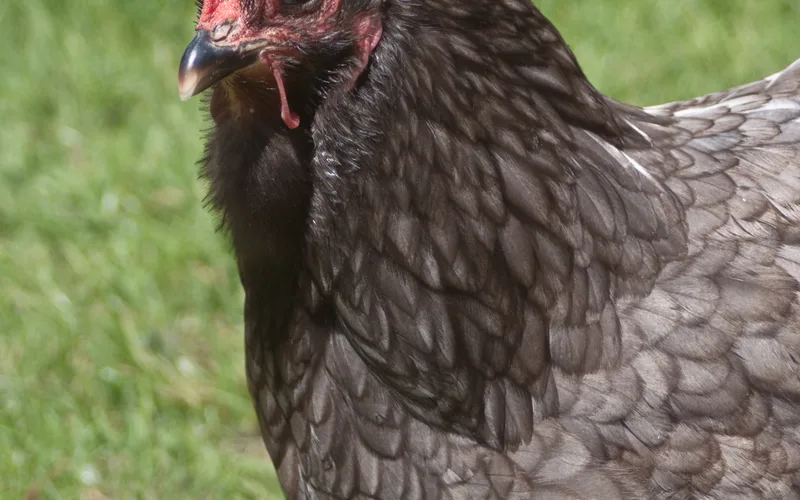
Famous for setting off the historic 1845 Victorian 'Hen Fever' when Queen Victoria was gifted a flock from Shanghai, the Cochin is a beloved heavyweight breed renowned for lavish down plumage that wraps the bird into an enormous, round ball of feathers—extending down the shanks and covering the middle and outer toes. With their deeply affectionate, docile personalities, Cochins are cherished show birds and the poultry kingdom's most dedicated foster mothers.
Victorian 'Hen Fever' & Morphological Characteristics
Breed Definition: The Cochin (formerly Shanghai fowl) is an Asiatic heavy breed characterized by immense down plumage, heavily feathered shanks and toes, a low cushion tail, a single serrated comb, and an exceptionally placid, sedentary disposition.
Prior to the arrival of Chinese Cochins in Europe and America in the mid-1840s, Western poultry consisted of small, rangy European birds. The sheer scale and plush, rounded silhouette of the Cochin captivated society, triggering speculative breeding crazes where single pairs traded for thousands of dollars.
Cochins contributed their massive frame and cold tolerance to the development of many modern heavy breeds, including Plymouth Rocks, Orpingtons, and Rhode Island Reds.
Husbandry, Feathered Shank Care & Broodiness
- Foot Feather Sanitation: The dense feathers covering the shanks and toes easily trap damp mud and manure. In wet climates, mud balls can harden on their toes, restricting blood circulation and causing frostbite. House Cochins on clean, dry pine shavings or coarse sand.
- Scaly Leg Mite Vulnerability: Shank feathers can conceal early infestations of scaly leg mites (Knemidokoptes mutans). Perform routine monthly inspections and apply mineral oil or natural plant-based balms to maintain smooth, healthy scales.
- Supreme Maternal Broodiness: Cochin hens will eagerly sit on clutches of 10–14 eggs, rarely leaving the nest except to eat. They make peerless surrogate mothers for fragile turkey poults, ducklings, and rare heritage chicks.
- Low Perch Heights: Provide wide roosting bars placed 20–30 cm (8–12 inches) above the bedding to prevent foot injury when descending.
 zoom_in Click to Enlarge
Related Calculators
Scientific Literature
- Burnham, G. P. (1855). The History of the Hen Fever: A Humorous Record. Boston.
- American Standard of Perfection (APA), 2023 Edition.