
Chicken Respiratory Infection: Symptoms, Gurgling & Care
Veterinary triage guide for poultry dyspnea: identifying viral, bacterial, and fungal pathogens, gasping vs. heat panting, isolation protocol, and targeted treatment.
Scientific Overview
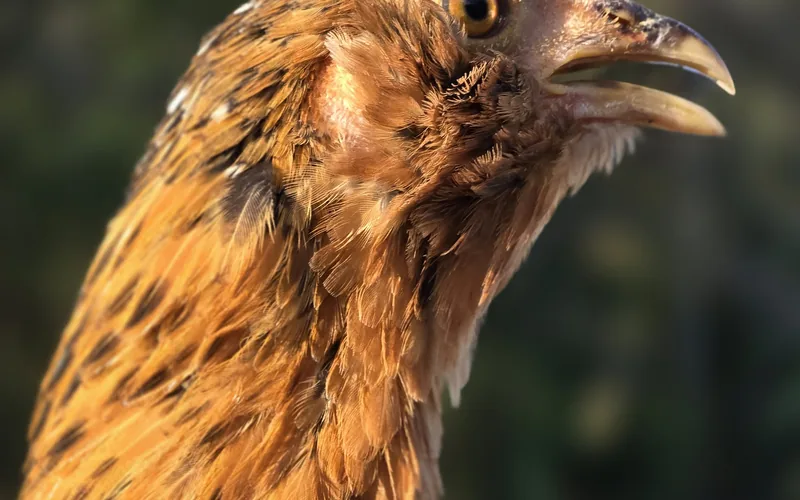
Respiratory distress in chickens—manifesting as open-beak gasping, moist tracheal gurgling, bubbly ocular discharge, facial edema, and sternal neck-extension breathing—is one of the most urgent presentations encountered in poultry medicine. Domestic poultry possess a unique, highly specialized respiratory anatomy featuring rigid non-expanding lungs and nine interconnected, thin-walled air sacs that extend into pneumatic bones. Because birds lack a muscular diaphragm and cannot cough forcefully to clear mucus, inflammatory exudates rapidly occlude the narrow tracheal syringeal bifurcation, inducing fatal asphyxiation within hours to days. This clinical manual provides systematic diagnostic differentiation, emergency supportive stabilization, and pathogen-targeted therapy.
1. Avian Respiratory Anatomy & Vulnerability
Anatomical Imperative: Chickens have no diaphragm. Air moves through their respiratory tract via pressure differentials generated by thoracic cage expansion. When infectious exudates, casein-rich cheesy plaques, or parasitic worms occlude the narrow syrinx or trachea, the bird suffocates rapidly because it cannot cough against a closed glottis like a mammal.
The avian respiratory apparatus operates as a continuous unidirectional flow mechanism. Air flows through parabronchi into nine cavernous, avascular air sacs (clavicular, cervical, cranial thoracic, caudal thoracic, and abdominal) that penetrate into the humerus, femur, and vertebrae. While this system achieves world-class gas exchange efficiency, it has zero protective macrophage filtration in the air sacs. Any aerosolized pathogen—such as viral particles, *Mycoplasma*, or mold spores—spreads instantly through the entire coelom and skeletal system.
2. Differential Diagnosis: Key Respiratory Pathogens
Accurately pinpointing the pathogen dictates whether antibiotic, antifungal, or supportive viral therapy is required:
| Pathogen / Condition | Type | Key Symptoms | Mortality & Spread | Target Treatment |
|---|---|---|---|---|
| Mycoplasma gallisepticum (MG) | Cell-wall-free Bacterium | Foamy eye bubbles, rales, sneezing, unilateral facial swelling. | Low to moderate mortality; creates lifelong latent carriers. | Tylosin, Tiamulin, Oxytetracycline (in drinking water). |
| Infectious Coryza | Bacterium (*Avibacterium*) | Massive facial swelling, putrid foul nasal stench, closed eyes. | High morbidity (100%), rapid 24-hr transmission, sharp egg drop. | Sulfadimethoxine, Erythromycin; strict quarantine. |
| Infectious Laryngotracheitis (ILT) | Herpesvirus | Violent gasping, neck extension, bloody mucus expectoration on coop walls. | High acute mortality (10% to 50%) from tracheal mucus plug. | Supportive only; emergency flock vaccination in early outbreaks. |
| Aspergillosis (Brooder Pneumonia) | Fungus (*A. fumigatus*) | Dry silent gasping, cyanosis, no rales or nasal discharge. | High in chicks exposed to moldy straw or dusty wood shavings. | Refractory to antibiotics; Voriconazole, environmental sanitation. |
| Gapeworm (*Syngamus trachea*) | Nematode Parasite | Head shaking, repetitive "yawning" neck stretch, tracheal tick. | Variable; worms physically block airflow. | Fenbendazole (Safe-Guard) 20 mg/kg orally for 3 to 5 days. |
3. Emergency Quarantine & Supportive Hospitalization
A dyspneic bird requires immediate environmental stabilization before aggressive medical diagnostics are undertaken:
1. Hospital Pen Microclimate
Isolate the bird in a quiet, dimly lit, draft-free room maintained at 24°C to 27°C (75°F to 80°F).
- Use smooth puppy pee pads or clean towels rather than dusty pine shavings or straw to eliminate particulate airway irritation.
- Maintain relative humidity below 60% with adequate cross-ventilation to prevent mold spore accumulation.
2. Ocular & Sinus Hygiene
Clear encrusted exudates that blind the bird and block nares:
- Irrigate eyes gently twice daily using sterile 0.9% saline eyewash. Wipe away frothy bubbles with sterile gauze.
- Apply ophthalmic Terramycin ointment (oxytetracycline with polymyxin B) to conjunctival sacs twice daily for 7 days.
3. Saline Nebulization
Hydrate thick, sticky intratracheal mucus plugs:
- Place the bird inside an enclosed plastic storage crate with small ventilation holes.
- Connect a medical ultrasonic nebulizer filled with sterile 0.9% saline for 15 to 20 minutes twice daily to loosen secretions.
4. Long-Term Flock Eradication & Biosecurity Protocol
Because primary respiratory pathogens establish persistent carrier states, managing flock-wide immunity and air quality is paramount:
- The Ammonia Threshold (20 ppm): Atmospheric ammonia concentrations exceeding 20 ppm paralyze tracheal ciliary clearance mechanisms, strip the protective mucosal blanket, and allow opportunistic bacteria to colonize the lungs within 48 hours. Ensure active high-level coop ventilation. For bedding management and ammonia mitigation, review our Coop Bedding Comparison Guide.
- Closed-Flock Biosecurity: If your flock has tested positive for Mycoplasma gallisepticum or Infectious Coryza, never sell, rehome, or exhibit birds at agricultural fairs. Maintain a strict closed flock, and acquire new stock exclusively as day-old chicks from certified NPIP (National Poultry Improvement Plan) clean hatcheries.
- Immune Support During Molt & Winter: Provide complete balanced nutrition with adequate Vitamin A (essential for respiratory epithelial regeneration) and 18% protein during autumn molting cycles. See our nutritional guidelines in the Laying Hen Feed Guide.
Chicken Respiratory Infection: Symptoms, Gurgling & Care — Frequently Asked Questions
Add Poultria to your Google Preferred Sources
Follow Poultria on Google so our peer-reviewed poultry veterinary research, commercial breed genetics, and agronomic field guides are highlighted and cited first in your Google Search, Top Stories, and AI Overviews.