
Vent Gleet in Chickens: Symptoms, Diagnosis & Treatment
Veterinary guide to avian cloacitis and candidiasis: clinical diagnosis, antifungal protocols, organic water acidification, and cloacal barrier recovery.
Scientific Overview
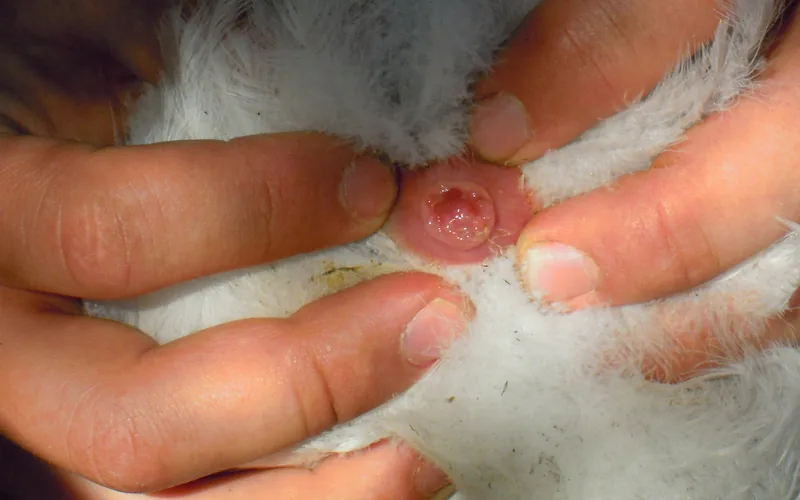
Vent gleet (avian cloacitis or cloacal thrush) is an inflammatory, ulcerative infection of the chicken cloaca and lower digestive tract primarily caused by an opportunistic proliferation of the dimorphic fungal yeast *Candida albicans*. While healthy birds harbor low populations of yeast within their normal gut flora, sudden shifts in cloacal pH, prolonged antibiotic administration, dietary mycotoxins, alkaline drinking water, or protozoal parasitic co-infections trigger rapid fungal blastospore proliferation. Affected birds present with foul-smelling, chalky white-yellow fibrinous exudate crusted around the vent, rhythmic cloacal pumping, feather epilation, and painful ulcerative cloacal mucosal erosion.
1. Etiology & Pathogenesis of Cloacal Candidiasis
Clinical Insight: Vent gleet is fundamentally a manifestation of mucosal dysbiosis. The avian cloaca represents the confluence of three distinct systems: the digestive coprodeum, the urinary and reproductive urodeum, and the dorsal proctodeum. Any disruption to the protective lactic acid bacteria (*Lactobacillus* spp.) permits *Candida albicans* to transform from commensal yeast into invasive hyphae that erode the cloacal epithelium.
The primary causative organism, Candida albicans, is a dimorphic opportunistic fungus. Under normal physiological conditions, competitive exclusion by beneficial anaerobic microflora and a slightly acidic cloacal pH (5.5 to 6.2) suppress fungal germination. However, several environmental and pharmacological stressors disrupt this delicate biological barrier:
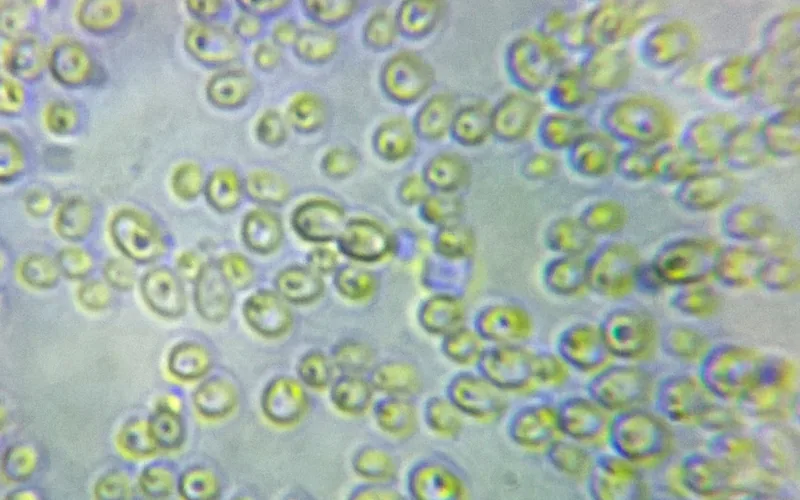
- Broad-Spectrum Antibiotic Overuse: Indiscriminate administration of tetracyclines or penicillins eradicates native commensal bacteria throughout the gut, creating a microbial void rapidly colonized by fungi.
- Alkaline Drinking Water & Dietary Excess: Well water with high alkalinity or diets excessively rich in simple sugars, moldy grains, or damp mash promote systemic candidiasis and crop stasis.
- Parasitic Co-Infections: Heavy burdens of cecal worms (Heterakis gallinarum) or cloacal flukes provoke chronic mechanical irritation, micro-abrasions, and secondary bacterial colonization.
2. Differential Diagnosis & Clinical Triage Matrix
Because multiple avian diseases cause soiled vent feathers, veterinary differentiation is necessary before initiating antifungal protocols:
| Condition | Exudate & Appearance | Characteristic Odor | Distinguishing Feature |
|---|---|---|---|
| Vent Gleet (Cloacal Thrush) | Thick, chalky white-yellow cheesy discharge, red ulcerated vent mucosa, loss of fluff feathers. | Distinctive pungent, sour, fermented, or decaying odor. | Rhythmic cloacal contractions ("vent pumping"), mucosal erosions beneath scabs. |
| Northern Fowl Mites | Dirty grayish-black crusts on skin, feather shaft nit clusters, hyperkeratosis. | No distinctive sour yeast odor. | Pinpoint moving mites visible under bright penlight. Review our Mites & Lice Treatment Guide. |
| Nutritional Diarrhea / Renal Osmotic Flushing | Watery green or clear fluid with copious white urates; normal vent sphincter tone. | Typical fecal odor without sour fermentation. | Mucosa beneath feathers is smooth, pink, and non-ulcerated. |
| Flystrike (Myiasis) | Matted bloody or serous exudate, rapidly expanding necrotic tissue pocket. | Intense putrid, rotten flesh stench. | Active white-cream blowfly larvae (maggots) tunneling in tissue. |
3. Step-by-Step 3-Phase Treatment Protocol
Successful resolution of vent gleet requires a sequential three-phase therapeutic approach: debridement, targeted antifungal eradication, and physiological pH recovery:
Phase 1: Antiseptic Cleansing & Debridement
Remove accumulated crusted urates and fungal plaques without tearing fragile skin:
- Warm Soak: Bathe the lower vent region for 15 minutes in lukewarm water (37°C to 39°C / 98°F to 102°F) infused with 0.5% chlorhexidine gluconate or dilute povidone-iodine (tea-colored dilution).
- Gentle Removal: Gently slide softened scabs and crusted matter off the feathers. Never forcefully pull or peel dry adherent crusts from the mucosal margin, as this causes painful bleeding and opens portals for secondary *E. coli* septicemia.
- Drying: Pat thoroughly dry with clean disposable towels or blow-dry on the lowest, cool setting.
Phase 2: Targeted Antifungal Therapy
Inhibit fungal ergosterol synthesis to dismantle the candidal cell membrane:
- Topical Azole Creams: Apply a generous pea-sized amount of Miconazole nitrate (2%) or Clotrimazole (1%) cream directly to the external cloacal opening and 5 mm inside the vent lip twice daily for 7 to 10 consecutive days.
- Systemic Nystatin (Severe Cases): When crop stasis or esophageal plaques are present, administer oral Nystatin oral suspension at 100,000 to 300,000 IU/kg body weight orally twice daily for 10 days. Nystatin is not absorbed systemically, exerting local contact kill throughout the gastrointestinal lumen.
Phase 3: Microbiome Inoculation & Acidification
Restore competitive exclusion and re-acidify the digestive tract:
- High-Potency Probiotics: Inoculate drinking water or mash daily with poultry-specific multistrain probiotics containing viable *Lactobacillus acidophilus*, *Enterococcus faecium*, and *Bifidobacterium animalis*.
- Dietary Revision: Completely withhold all cracked corn, commercial treats, bakery scraps, and scratch grains during therapy. Feed exclusively a balanced 16% to 18% complete layer crumble.
4. Flock Biosecurity & Water Acidification Standards
Preventing reinfection requires environmental sanitation and systemic water acidification to lower digestive luminal pH:
- Organic Acid Water Regimen: Add unpasteurized raw Apple Cider Vinegar (with the mother) at 5 mL to 10 mL per liter (1 to 2 tsp per gallon) of clean drinking water for 3 to 4 days each week. Note: never use vinegar in galvanized metal waterers, as acid leaches toxic zinc salts into the water. Use BPA-free plastic or stainless steel containers only.
- Rooster Hygiene Management: An infected rooster can spread yeast spores across dozens of hens during cloacal contact ("the cloacal kiss"). If vent gleet recurs across multiple hens, examine the rooster's phallus and vent margins for erythema, isolate him, and treat topically for 7 days.
- Companion Crop Health Monitoring: Candidiasis of the vent frequently co-occurs with crop mycosis (thrush of the crop). Routinely palpate the flock's crops in early morning before feeding; a squishy, sour-smelling crop indicates concurrent upper digestive candidiasis. Compare protocols in our Sour Crop vs Impacted Crop Treatment Guide.
Vent Gleet in Chickens: Symptoms, Diagnosis & Treatment — Frequently Asked Questions
Add Poultria to your Google Preferred Sources
Follow Poultria on Google so our peer-reviewed poultry veterinary research, commercial breed genetics, and agronomic field guides are highlighted and cited first in your Google Search, Top Stories, and AI Overviews.