
Wry Neck in Chickens: Torticollis Causes, Vitamin E Dosing & Care
Clinical avian neurology manual: diagnosing stargazing, differential triage between nutritional encephalomalacia and head trauma, tube feeding protocols, and therapeutic Vitamin E & Selenium rehabilitation.
Scientific Overview
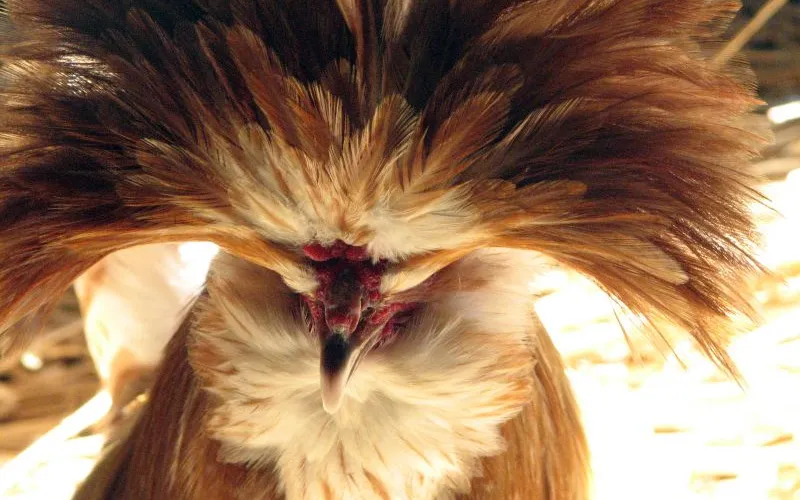
Wry neck—clinically termed torticollis or avian encephalomalacia—is one of the most alarming neurological presentations encountered in poultry medicine. A stricken chicken loses motor coordination of its cervical musculature, causing its neck to twist sideways, arch backwards over its dorsal spine ("stargazing"), or tuck completely upside down between its legs. Unable to orient its vision or grasp feed and water, the bird rapidly deteriorates from dehydration and starvation if immediate supportive nursing is not initiated. While crested ornamental breeds like the Silkie Bantam and Polish Crested are genetically predisposed due to vaulted cranium anatomy, wry neck is a clinical sign of underlying cellular pathology rather than an isolated disease. This veterinary manual provides step-by-step diagnostic triage, oral feeding techniques, and exact weight-based therapeutic dosing of Vitamin E and Selenium.
1. Pathophysiology: Cerebellar Encephalomalacia vs. Head Concussion
Clinical Neurological Fact: Avian encephalomalacia is characterized by ischemic necrosis, demyelination, and focal petechial hemorrhages within the cerebellum. The cerebellum coordinates voluntary motor impulses, spatial equilibrium, and muscle tone. When cerebellar Purkinje cells suffer oxidative peroxidation, the cervical extensor muscles fire uncontrollably, producing the pathognomonic "corkscrew" neck twist.
Dietary Vitamin E (alpha-tocopherol) functions as a lipid-soluble antioxidant that shields delicate polyunsaturated fatty acids in neuronal cell membranes from reactive oxygen species. When commercial feed is stored in high heat or humidity, the added fats undergo oxidative rancidity, destroying Vitamin E within weeks. Birds fed rancid grain or low-selenium scratch rations rapidly develop cerebellar micro-vascular thrombosis.
2. Differential Diagnosis: Torticollis Clinical Triage
Not all neck twisting is caused by vitamin deficiency. Before assuming nutritional encephalomalacia, review this veterinary differential checklist:
| Condition | Distinguishing Clinical Signs | Age Group | Prognosis |
|---|---|---|---|
| Nutritional Encephalomalacia | Twisted neck, stargazing, ataxia, bright alert eyes; rapid response to Vitamin E within 72 hrs. | 2 to 8 weeks (chicks) or adult laying hens | Good (70%–80% recovery) |
| Closed-Head Trauma / Concussion | Sudden onset following bullying or collision; vaulted skull breeds (Silkies, Polish); cranial bruising. | Any age (crested fowls) | Fair to Good (requires isolation) |
| Marek's Disease (Neurotropic) | Asymmetrical leg/wing paralysis, grey iris ("ocular Marek's"), enlarged vagus/sciatic nerve trunks on necropsy. | 10 to 30 weeks (unvaccinated) | Fatal (Zero cure) |
| Otitis Interna (Inner Ear Infection) | Persistent lateral head tilt to one side only; purulent exudate or odor in auditory canal; scratching ear. | Any age | Fair (requires targeted antibiotics) |
3. Interactive Vitamin E & Selenium Rehabilitation Dosing Tool
Avian Wry Neck Vitamin E & Selenium Calculator
Calculate exact oral daily rehabilitation doses of d-alpha-tocopherol (Vitamin E) and trace Selenium based on the patient's measured body weight:
Wry Neck in Chickens: Torticollis Causes, Vitamin E Dosing & Care — Frequently Asked Questions
Add Poultria to your Google Preferred Sources
Follow Poultria on Google so our peer-reviewed poultry veterinary research, commercial breed genetics, and agronomic field guides are highlighted and cited first in your Google Search, Top Stories, and AI Overviews.