
Arbor Acres Plus Broilers: Commercial Meat Strain & Management Guide
Complete management manual on Aviagen broiler genetics, 35-day growth curves, FCR efficiency, and ascites prevention.
Scientific Overview
Bred by Aviagen, Arbor Acres Plus is one of the world's most versatile and widely placed commercial broiler strains, particularly dominant across Latin America, the Middle East, Africa, and Asia. Engineered to thrive across both state-of-the-art tunnel-ventilated environmental housing and semi-intensive open-sided tropical poultry houses, the Arbor Acres Plus delivers an exceptional balance of fast juvenile growth, high breast meat yield, and rugged cardiovascular and skeletal hardiness. A primary hallmark of the Arbor Acres genetic program is exceptional metabolic resilience: the strain exhibits low incidence of ascites (water belly/pulmonary hypertension syndrome) and sudden death syndrome at high altitudes and in warm climates, while achieving competitive feed conversion ratios (FCR) of 1.48 to 1.55 at standard market processing weights. This guide provides comprehensive flock management benchmarks, nutritional phasing schedules, brooding temperature curves, and ventilation protocols.
1. Breeding Pedigree, Conformation & Aviagen Genetics
The Arbor Acres brand traces its origins to Glastonbury, Connecticut, in the 1930s, when Italian immigrant Frank Saglio and his sons established one of the foundational white broiler breeding programs in the United States. Following acquisition and integration into Aviagen, the modern Arbor Acres Plus represents a four-way terminal cross between specialized pedigree White Cornish male lines (imparting broad pectoral breast conformation and wide bone frames) and White Plymouth Rock female lines (contributing high breeder egg production, fertility, and maternal vigor).
| Flock Age (Days) | Live Weight (lbs / kg) | Daily Feed Intake (g) | Cumulative FCR | Target Eviscerated Yield (%) |
|---|---|---|---|---|
| Day 7 | 0.42 lbs (190 g) | 31 g/day | 0.95 | Brooding weight benchmark: 4.5x hatch weight |
| Day 21 | 2.15 lbs (975 g) | 102 g/day | 1.26 | Rapid skeleton & muscle frame expansion |
| Day 35 | 4.75 lbs (2,155 g) | 174 g/day | 1.49 | Dressed Yield: 72.5%; Breast Meat: 21.8% |
| Day 42 | 6.20 lbs (2,810 g) | 208 g/day | 1.62 | Dressed Yield: 74.2%; Breast Meat: 23.4% |
Arbor Acres Plus broilers feature solid white plumage, yellow skin, clean unfeathered yellow shanks, and a medium single comb. White feathering is essential in commercial processing because white pinfeathers leave clean, unblemished skin surfaces without the dark follicle spots that degrade brown or barred carcasses.
2. Growth Trajectory, FCR Performance & EPEF Index
Commercial broiler managers evaluate turn performance using the European Production Efficiency Factor (EPEF), which integrates livability percentage, live body weight, market age, and Feed Conversion Ratio:
Under good commercial biosecurity and environmental control, Arbor Acres Plus flocks regularly achieve EPEF scores between 380 and 420. Benchmark your flock efficiency using the European Production Efficiency Factor (EPEF) Calculator, and verify live feed efficiency with the FCR Calculator.
First-Week Brooding Target: 4.5x Hatch Weight
In broiler science, 7-day body weight is the single strongest predictor of final harvest weight. Day-old Arbor Acres chicks hatch at approximately 42 grams (1.48 oz).
By Day 7, high-performing flocks must achieve a minimum weight of 190 grams (6.7 oz)—more than 4.5 times their hatch weight. Every additional 10 grams achieved at Day 7 translates to 50 to 70 grams of extra body weight at processing. Model your financial margins with our Broiler Turn ROI Simulator.
3. Precision Broiler Nutrition & 3-Phase Feeding Programs
To support rapid muscle deposition without stressing the immature skeletal frame, feed formulation must be phase-matched:
- Starter Crumble (Day 0 to 10): 23.0% crude protein, 3,000 kcal/kg ME, 1.40% digestible lysine, 0.52% digestible methionine. Feed as clean, dust-free mini-crumbles to stimulate crop fill within the first 6 hours of placement. Calculate feed mixing parameters using the Least-Cost Feed Formulation Tool.
- Grower Pellet (Day 11 to 24): 21.5% crude protein, 3,100 kcal/kg ME, 1.25% digestible lysine. Feed as 2.5 mm pellets to maximize consumption and minimize mechanical feed waste.
- Finisher Pellet (Day 25 to Processing): 19.5% crude protein, 3,200 kcal/kg ME, 1.05% digestible lysine. High-energy formulation designed to maximize breast meat accretion and feed conversion.
4. Housing Setup, Tunnel Ventilation & Minimum Air Exchange
Because Arbor Acres Plus broilers grow with high metabolic velocity, proper ventilation engineering is essential:
- Minimum Ventilation: In young broilers, ventilation must remove moisture, carbon dioxide, and ammonia without chilling the chicks. Calculate fan run-times using the Ventilation Fan & Air Exchange Calculator.
- Stocking Density: Stock birds at a maximum of 6.5 to 7.0 lbs per sq ft (32–34 kg/sq m) in environmentally controlled houses, or 5.0 to 5.5 lbs/sq ft (25–27 kg/sq m) in naturally ventilated open-sided houses. Plan floor space with the Coop Space Calculator.
- Brooding Temperature Curve: Start at 90°F (32°C) at chick litter level on Day 1, reducing temperature by 5°F (3°C) each week until reaching 68°F (20°C) by Day 28. Monitor thermal parameters with the Brooding Climate Calculator.
5. Health Maintenance, Ascites & Leg Soundness Protocols
Proactive flock biosecurity and metabolic management include three key priorities:
In cold weather or high altitudes above 3,000 feet (1,000 meters), broilers require more oxygen to generate body heat. If air quality is poor or house temperatures drop, the right ventricle of the heart overworks, leading to ascites and abdominal fluid buildup. Maintain proper minimum ventilation and prevent early over-consumption with mild lighting dark periods (4 hours of darkness daily).
Maintain dry litter (moisture content below 25%) to prevent footpad dermatitis (pododermatitis) and hock burns. Provide balanced calcium-to-available-phosphorus ratios (2:1) and supplemental vitamin D3 to ensure sturdy tibia bone development.
6. Summary: The Resilient Global Meat Standard
The Arbor Acres Plus stands as a benchmark of commercial meat poultry engineering. Combining fast feed conversion, high breast meat recovery, robust cardiovascular strength, and adaptable performance across diverse climates, it remains an indispensable choice for poultry meat producers worldwide.
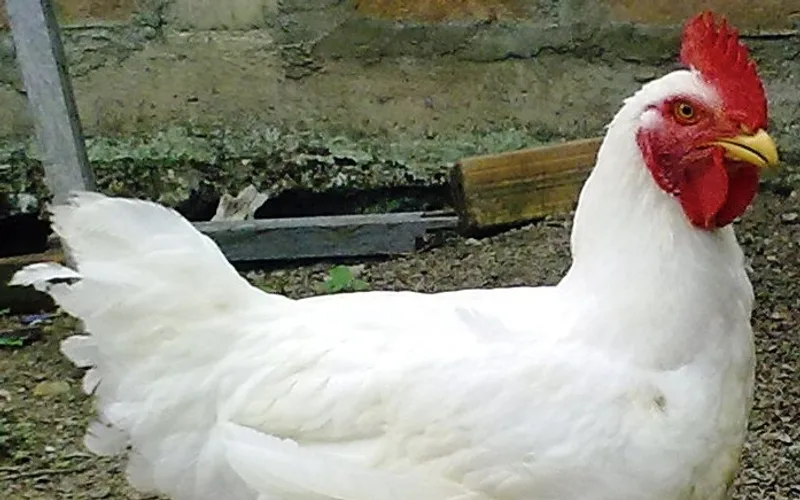 zoom_in Click to Enlarge
Related Calculators
Scientific Literature
- Aviagen. (2023). Arbor Acres Plus Broiler Management Handbook.
- Havenstein, G. B., et al. (2003). Growth, Livability, and Feed Conversion of 1957 versus 2001 Broilers. Poultry Science.
- World's Poultry Science Association. (2021). Environmental Ventilation and Broiler Ascites Prevention.