
Buff Orpington Chicken Guide: Egg Output, Broodiness, Scale & Care
The definitive guide to raising Buff Orpingtons: docility, winter egg laying records, housing requirements, and broodiness management.
Scientific Overview
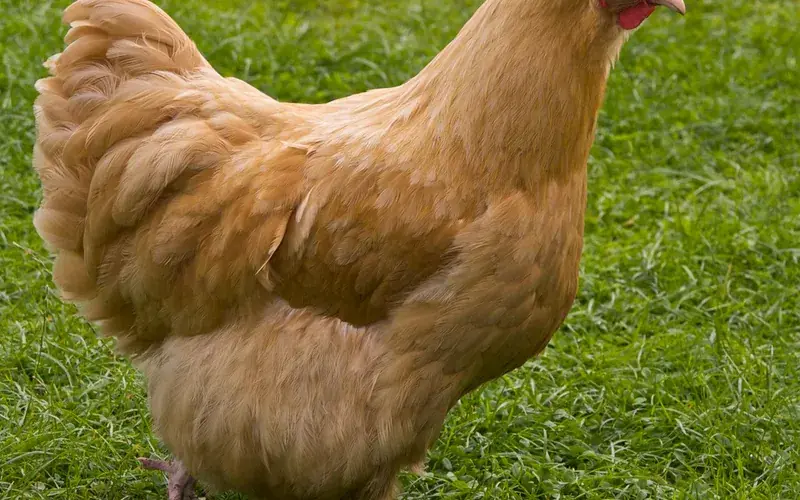
Widely heralded as the 'Golden Retriever of the chicken world', the Buff Orpington is the gold standard for backyard poultry, homesteaders, and sustainable family farms. Developed in Victorian England by William Cook, Orpingtons were engineered to combine prolific winter egg laying with heavy, prime table meat. With their plush golden-buff plumage, remarkably gentle personalities, and legendary broodiness, Buff Orpingtons thrive in cold climates and adapt seamlessly to confinement or pasture.
Breed Origin & Philosophy: The Victorian Utility Revolution
Breed Definition: The Buff Orpington is an English heavy dual-purpose breed developed in 1894 in Orpington, Kent, by crossing Golden Spangled Hamburgs, Buff Cochins, and Dorkings to establish a robust, white-skinned table fowl capable of sustained winter egg production.
In late 19th-century England, poultry enthusiast William Cook recognized that many popular breeds were bred exclusively for delicate show feathers at the expense of practical utility. Cook set out to breed an all-around farm bird with deep body carriage, rapid early growth, and heavy winter laying when egg prices were highest.
The Buff variety quickly eclipsed the original Black Orpington in popularity, arriving in North America by 1900 and becoming a permanent staple in the American Standard of Perfection. Their broad, curved back, low center of gravity, and thick downy undercoat make them virtually impervious to freezing northern winters.
Production & Scale Benchmarks: Eggs, Weight & Growth Curve
Buff Orpingtons are substantial birds that mature into broad, round hens and commanding roosters:
Housing & Environmental Management: Roost Heights & Summer Heat
Because of their substantial body weight and fluffy plumage, Buff Orpingtons have specific housing requirements that differ from lighter Mediterranean breeds:
- Low Roosting Bars: Orpingtons are heavy birds. Jumping down from perches higher than 45–60 cm (18–24 inches) can cause severe footpad impact, leading to micro-fractures, bumblefoot (staphylococcal pododermatitis), and internal abdominal egg yolk peritonitis. Install low, wide roosts (the 4-inch flat side of a 2x4 lumber board).
- Stocking Density: Allocate at least 5 to 6 square feet of interior coop space and 12 to 15 square feet of outdoor run per bird. Use our interactive Coop Sizing Calculator to verify adequate space.
- Summer Thermal Relief: In hot humid climates (summer temperatures exceeding 32°C / 90°F), Orpingtons can suffer acute heat exhaustion due to their dense plumage. Ensure constant cross-ventilation, deep shade tarps, and electrolyte-supplemented cool waterers.
 zoom_in Click to Enlarge
Related Calculators
Scientific Literature
- Cook, W. (1898). The Poultry Keeper's Account Book and Orpington History. London.
- American Standard of Perfection (APA), 2023 Edition.
- Robinson, L. (2020). Heritage Dual-Purpose Poultry Performance Benchmarks. British Poultry Science, 61(4), 389-402.