
Jersey Giant Chicken Guide: Massive Size, Growth Rates, Egg Output & Care
A veterinary and practical standard for the world's largest domestic chicken: Black and White Jersey Giants, weight milestones, and feed requirements.
Scientific Overview
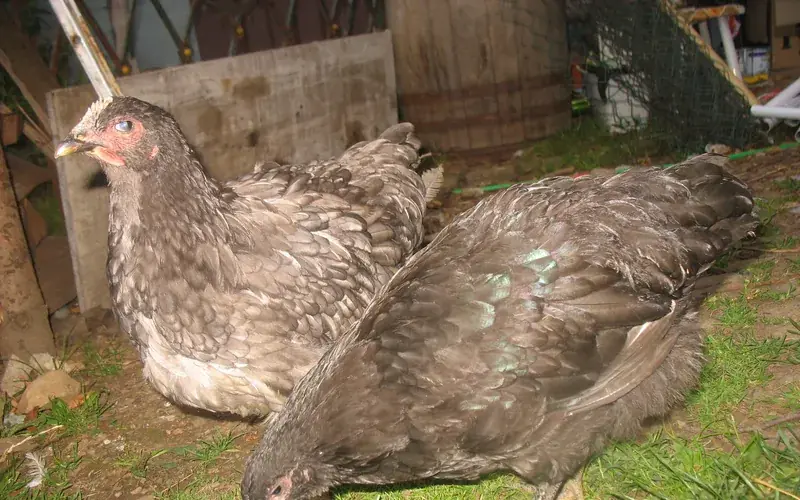
Weighing up to 5.9 kg (13 lbs) with roosters standing over 26 inches tall, the Jersey Giant holds the undisputed title of the largest purebred domestic chicken breed in existence. Developed in New Jersey during the late 19th century as an organic replacement for the heritage roasting turkey, Jersey Giants are calm, dignified gentle giants that lay substantial dark brown eggs while boasting an unmistakable emerald-beetle plumage sheen.
The Heritage Capon Alternative: Breed Origin & Genetics
Breed Definition: The Jersey Giant is an American heritage heavy breed developed in Burlington County, New Jersey, in the 1870s by John and Thomas Black by crossbreeding Black Javas, Dark Brahmas, and Black Langshans to produce the heaviest possible roasting carcass without requiring caponization.
In the 1880s, commercial poultry meat relied heavily on capons (castrated roosters) to achieve tender table birds over 10 pounds. The Black brothers set out to select a bird whose natural genetics would match a turkey's roasting frame while retaining rapid early foraging and hardy egg production.
Admitted to the APA in 1922 (Black Jersey Giants) and 1947 (White Jersey Giants), these birds feature massive bone structure, long horizontal backs, deep keels, and dark slate-black legs with distinctive yellow soles under the footpads—a key identifier that separates true Jersey Giants from Australorps (which have white/pink soles).
Scale, Weight Milestones & Growth Velocity Curve
Unlike modern commercial broilers like the Ross 308 that reach market weight in 35 days, Jersey Giants take 8 to 12 months to develop their massive skeletal frame and muscle volume:
Nutrition, Housing & Foot Health Management
Maintaining the health of birds this large requires thoughtful adjustments to standard chicken coop setups:
- Low Roost Elevation: Roosts must be placed no more than 30 to 45 cm (12 to 18 inches) above the floor. A 13-pound cock landing from a high perch onto hard ground faces tremendous footpad pressure, leading to chronic ulcerative bumblefoot and joint injuries.
- Nesting Box Dimensions: Standard 12x12 inch nest boxes are too small for Jersey Giants, which can crush eggs upon turning. Construct oversized nest boxes measuring 16x16 inches (40x40 cm) with deep straw or wood shavings.
- Skeletal Nutrition: Because their bones grow so large, chicks require an extended 20% protein grower diet fortified with balanced Calcium, Phosphorus, and Vitamin D3 to prevent tibial dyschondroplasia and rickets.
Jersey Giant Chicken Guide: Massive Size, Growth Rates, Egg Output & Care — Frequently Asked Questions
Compare Similar Breeds & Genetic Benchmarks
Evaluate comparative performance: growth curves, annual egg yield, climate tolerance, and feed efficiency against genetically comparable poultry breeds:
Add Poultria to your Google Preferred Sources
Follow Poultria on Google so our peer-reviewed poultry veterinary research, commercial breed genetics, and agronomic field guides are highlighted and cited first in your Google Search, Top Stories, and AI Overviews.
 zoom_in Click to Enlarge
Related Calculators
Scientific Literature
- American Poultry Association (APA). Standard of Perfection (2023).
- Staub, M. (2019). The American Heritage Heavyweight Breeds: Historic Analysis of the Jersey Giant. Historical Agricultural Review, 31(1), 77-89.
- National Jersey Giant Club Breeding & Standard Guide.