
Light Brahma Heavy Poultry Breed Guide: Scale & Winter Laying
Technical overview of Light Brahma massive body weight, feathered shanks, docility, and cold hardiness.
Scientific Overview
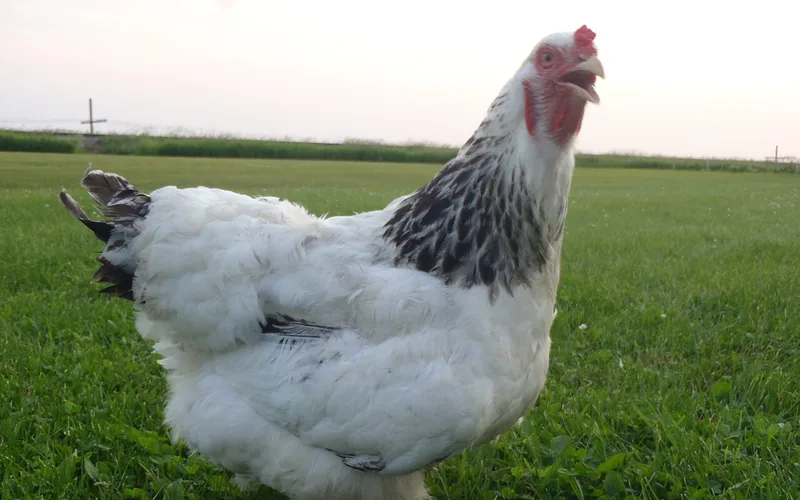
Known as the 'King of All Poultry', the Light Brahma is a massive, majestic heritage breed featuring heavily feathered shanks, pea combs, white-and-black hackled plumage, and quiet, docile temperaments. Ideal for cold climates and heavy meat dual-purpose setups.
Light Brahma Overview & Definition
The Light Brahma is defined as a massive Asian-derived heritage heavy breed (developed from Chinese Shanghai stock) featuring pea combs, shank feathering, roosters weighing up to 5.5 kg, and calm, gentle personalities.
Because of their thick down and shank feathers, Brahmas withstand sub-zero winter freezes without comb frostbite or drop in egg production.
Physical Scale & Performance Chart
Light Brahma scale and production benchmarks:
- Annual Egg Production: 140–180 medium brown eggs (heavy winter lay)
- Mature Hen Weight: 4.0–4.5 kg
- Mature Rooster Weight: 5.0–5.5 kg
- Temperament: Extremely gentle, calm, pet-like
Care & Housing Requirements
Brahmas require dry, clean coop bedding to prevent mud accumulation on their foot feathers. Low roosts (30–45 cm) are necessary due to their heavy body mass.
Light Brahma Heavy Poultry Breed Guide: Scale & Winter Laying — Frequently Asked Questions
Compare Similar Breeds & Genetic Benchmarks
Evaluate comparative performance: growth curves, annual egg yield, climate tolerance, and feed efficiency against genetically comparable poultry breeds:
Add Poultria to your Google Preferred Sources
Follow Poultria on Google so our peer-reviewed poultry veterinary research, commercial breed genetics, and agronomic field guides are highlighted and cited first in your Google Search, Top Stories, and AI Overviews.
 zoom_in Click to Enlarge
Related Calculators
Scientific Literature
- American Standard of Perfection (2023).
- Storey's Illustrated Guide to Poultry Breeds.