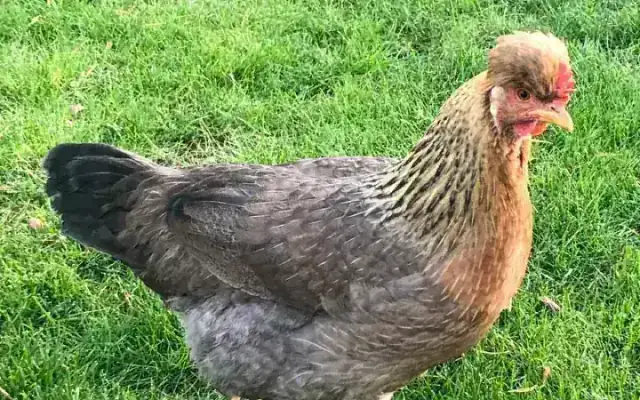
Cream Legbar Chicken Guide: Autosexing Genetics, Pastel Blue Eggs & Care
A genetic and husbandry guide to the world's leading autosexing blue egg layer: feather crests, biliverdin pigment, and foraging performance.
Scientific Overview
Created in the 1930s by famed geneticist Reginald Punnett at Cambridge University, the Cream Legbar is an autosexing masterpiece that lays sky-blue to pastel-turquoise eggs. By crossing brown Leghorns, Barred Plymouth Rocks, and blue-egg Chilean Araucanas, scientists created a bird whose chicks can be sexed 100% accurately at hatch based purely on down color, while inheriting the Leghorn's prolific egg output and active foraging vigor.
The Science of Autosexing & The Oocyanin Blue Egg Gene
Genomic Definition: The Cream Legbar is an autosexing breed utilizing the sex-linked barring gene (B) in combination with cream plumage (ig) and the dominant oocyanin gene (O), producing blue eggshells and distinct day-old chick down phenotypes between cockerels and pullets.
Day-Old Autosexing Mechanism:
- Female Pullet Chicks: Display distinct, sharp dark brown 'chipmunk' stripes running down their back and an unmistakable dark eye-stripe, with no blurred white spot on the head.
- Male Cockerel Chicks: Display diffuse, blurred, washed-out stripes and a prominent pale yellow/white diffuse spot on the crown of their head caused by double-dose barring (B/B).
True Blue Shell Chemistry: Unlike brown eggs where protoporphyrin pigment is painted onto the exterior shell in the final hours before oviposition, blue egg color is caused by biliverdin (a bile byproduct) secreted during the early formation of the shell matrix in the oviduct. Consequently, Cream Legbar eggs are blue completely through the shell, appearing blue on both the interior and exterior surfaces.