
Chicken Dust Bath: Best Recipe, Substrate Mix & Box Dimensions
Comprehensive guide to flock dust bathing: preen oil regulation, biological ectoparasite defense, sand-to-ash ratios, and safe diatomaceous earth usage.
Scientific Overview
Dust bathing is not merely an entertaining backyard ritual; it is a fundamental biological grooming mechanism essential to avian survival. Chickens (Gallus gallus domesticus) do not wash with water. Instead, they vigorously work fine, dry mineral particulates through their plumage to absorb rancid uropygial (preen) gland lipids, dislodge dead skin flakes, and physically suffocate dangerous external parasites such as the northern fowl mite (Ornithonyssus sylviarum) and chicken body louse (Menacanthus stramineus). In commercial aviaries and backyard coops alike, denying hens access to dry bathing dust leads to oily, matted plumage, impaired thermoregulation, and uncontrolled ectoparasite outbreaks. This guide provides veterinary-approved dust bath recipes, container dimension benchmarks, substrate safety analysis, and an interactive substrate volume calculator.
1. Ethology & Biological Function of Avian Dust Bathing
Biological Mechanism: At the dorsal base of a chicken's tail sits the uropygial (preen) gland. This bilobed holocrine gland secretes an oily mixture of monoester waxes, fatty acids, and squalene. As a hen preens, she spreads these lipids across her feathers to maintain water repellency and flexible plumage. However, over time, exposed lipids oxidize, turn rancid, and collect debris. Dust bathing absorbs this degraded lipid film, which is subsequently shaken off along with accumulated pathogenic debris.
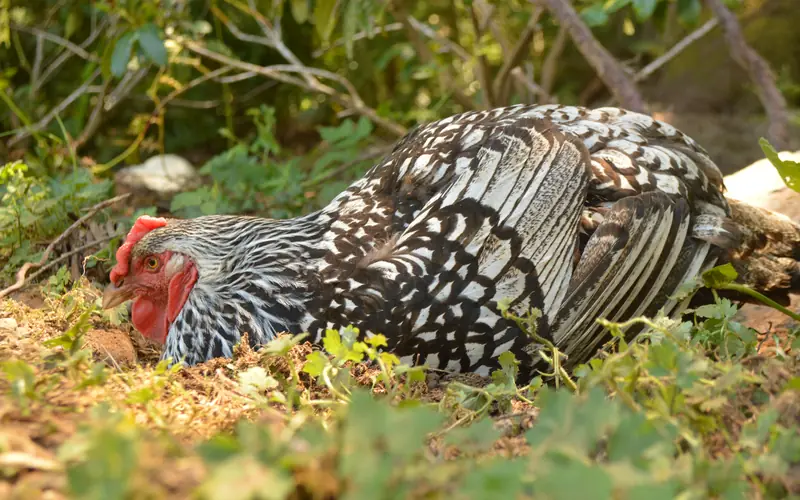
The grooming ritual proceeds in four stereotyped phases: scratching a concave saucer-shaped depression with the shanks, bill-raking fine loose soil toward the breast, squatting and vigorous lateral side-rolling with rhythmic wing flaps, and finally standing up for an energetic vertical fluff-shake. This mechanical agitation forces mineral particles deep into the down feathers adjacent to the skin, where blood-sucking parasites congregate. For breeds with intricate, dense feathering like the Silkie or Light Brahma, dry dust bathing is essential to prevent severe feather matting and louse infestations.
2. Substrate Chemistry: Sand, Peat, Wood Ash & Parasiticide Safety
A common homesteader mistake is filling a dust bath box with pure dirt from the garden run. In humid or rainy climates, garden soil packs into cold, clumpy mud that harbors coccidial oocysts and capillary worm eggs. To construct an optimal, self-cleaning dust bath, blend the following components by volume:
Coarse Washed Sand (40% Volume)
Acts as the physical abrasive and drainage backbone. Use coarse builder's sand (grit size 0.5–2.0 mm). Sand retains zero moisture, prevents clumping, and shears the waxy epicuticle of crawling lice. Never use fine pediatric play sand or masonry flour sand.
Dry Peat Moss or Coconut Coir (40% Volume)
Provides exceptional organic absorption. Sphagnum peat moss has a naturally acidic pH (3.8–4.5) which inhibits bacterial proliferation and instantly wicks away saturated preen oils from feather shafts without creating airborne crystalline dust.
Sifted Hardwood Ash (15% Volume)
Natural insecticide. Wood ash contains micro-porous potassium and calcium oxides that create an inhospitable alkaline contact barrier against red roost mites (Dermanyssus gallinae). Must be sifted through 6 mm (0.25 in) hardware cloth to exclude nails.
Diatomaceous Earth / Sulfur (5% Volume Max)
Veterinary caution: strictly use food-grade amorphous DE (under 5% total volume) or 99.5% wettable agricultural sulfur powder. Crystalline pool DE causes fatal avian silicosis. Sulfur is clinically superior against northern fowl mites without the abrasive lung risks.
If your flock is already exhibiting severe active parasite infestations (such as scabs at the vent or clusters of white louse nits at the feather base), dust bathing alone will not eradicate established populations. Combine bathing boxes with targeted pharmacological treatments outlined in our clinical guide: Chicken Mites & Lice Treatment: Complete Veterinary Protocol.
3. Interactive Dust Bath Substrate Calculator
Dust Bath Volume & Recipe Ingredient Calculator
Enter your container dimensions below to calculate exact liter/gallon volumes and the precise weight of coarse sand, peat moss, hardwood ash, and sulfur/DE needed:
4. Box Architecture, Weatherproofing & Coop Placement
Dust baths in exposed outdoor runs quickly saturate with rainwater, transforming loose mineral powders into toxic cement-like slurry. To maintain year-round flock access, follow these architectural guidelines:
- Container Repurposing: Heavy galvanized metal tubs, heavy-duty livestock rubber feed pans (Tuff Stuff), kid-sized plastic wading pools, or rot-resistant cedar boxes (15–20 cm / 6–8 in high) make ideal enclosures.
- Pitched Weather Shielding: In the outdoor run, mount a corrugated polycarbonate or cedar roof pitched at a 15-degree angle at least 45 cm (18 in) above the bath box. This shelters the substrate from driving rain while admitting solar warmth to keep the dust bone-dry.
- Avoid Inside Coop Bedding Areas: Never place a dry dust bath directly inside the closed roosting quarters. The intense particulate clouds kicked up during flock rolling will coat roost bars, clog chicken respiratory cilia, and create severe indoor air quality hazards. House it in the covered run or a well-ventilated vestibule.
- Litter Sanitation & Sifting: Hens frequently defecate immediately after standing up from a dust bath. Keep a metal kitty-litter scoop beside the box and sift fecal pellets out daily to keep parasite oocyst counts near zero.
During the annual autumn feather shed, hens experience elevated skin sensitivity and itchiness from emerging blood quills. Providing daily dust bath access is essential for comfort and pinfeather sheath removal. Learn more about autumn flock care in our Chicken Molting Season: Signs, Duration & High-Protein Diet Guide.
Chicken Dust Bath: Best Recipe, Substrate Mix & Box Dimensions — Frequently Asked Questions
Add Poultria to your Google Preferred Sources
Follow Poultria on Google so our peer-reviewed poultry veterinary research, commercial breed genetics, and agronomic field guides are highlighted and cited first in your Google Search, Top Stories, and AI Overviews.