
Salpingitis in Chickens: Lash Eggs, Oviduct Infection & Peritonitis
Veterinary clinical guide to oviduct inflammation: understanding lash egg formation, ascending bacterial pathogens, differentiating peritonitis from ascites, and antibiotic therapy.
Scientific Overview
Salpingitis—inflammation and bacterial infection of the avian oviduct—is the primary cause of reproductive mortality in commercial laying hens and backyard flocks worldwide. Highly productive modern layer breeds like the ISA Brown, White Leghorn, and dual-purpose heritage hens subject their oviduct to relentless daily peristaltic stress. When opportunistic environmental bacteria (predominantly Escherichia coli or Gallibacterium anatis) ascend through the cloaca into the relaxed oviduct, the immune system responds with massive fibrinous exudation. Over weeks, dense concentric layers of inflammatory pus, necrotic albumen, and bacteria compact into an unmistakable solid mass termed a 'lash egg'. This manual outlines the pathology of salpingitis, differentiates it from acute Egg Binding and Ascites, and details veterinary treatment and surgical ovariohysterectomy options.
1. Oviduct Immunology & The Formation of Lash Eggs
Clinical Pathology Fact: Unlike mammals, birds lack the enzyme myeloperoxidase in their white blood cells (heterophils). As a consequence, avian pus cannot liquefy into liquid drainage. Instead, inflammatory exudates remain solid, dry, and caseous (cheesy), forming firm laminated masses that mechanically plug the oviduct.
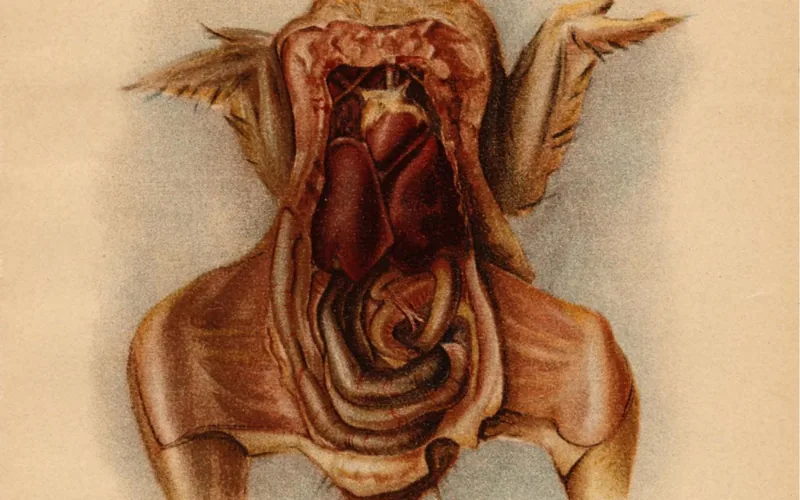
The pathogenesis begins when bacteria breach the cloacal mucosal barrier. Under intense laying pressure in commercial breeds like ISA Browns, micro-tears in the terminal vagina provide an entry portal. As bacteria migrate upward into the magnum and infundibulum, the epithelial cells shed thick fibrin. Each new ovum descending from the ovary collides with this fibrinous plug, adding successive layers of coagulated yolk, albumen, and bacterial colonies until a massive lash egg forms.
2. Clinical Signs & Physical Examination Triage
Salpingitis is notoriously insidious because hens instinctively mask early symptoms to avoid flock aggression. By the time physical signs manifest, the oviduct is severely compromised:
- The 'Penguin Posture': The lower abdomen becomes heavy, swollen, and doughy, pulling the hen's center of gravity backward so she walks upright like a penguin.
- Sudden Cessation of Laying: Production halts completely, or the hen lays bizarre misshapen, soft-shelled, or chalky eggs immediately preceding the expulsion of a lash egg.
- Thermal Hyperthermia & Lethargy: Affected hens run a high body temperature (above 42.5°C / 108.5°F) in acute phases, with ruffled plumage and half-closed eyes.
- Foul Vent Odor & Soiling: Discharge of foul-smelling yellowish urates and necrotic mucus matting the feathers around the vent.
To differentiate salpingitis from acute physical egg obstruction, consult our companion clinical guide: Egg Bound Chicken Symptoms: Emergency Care & Calcium Guide.
3. Interactive Reproductive Triage & Prognosis Tool
Avian Reproductive Pathology & Treatment Selector
Select the hen's clinical presentation below to determine the diagnostic differential, antibiotic protocol, and long-term prognosis:
The hen has expelled the outer core of a chronic oviduct infection. Although relieved of immediate pressure, microscopic bacterial colonization persists in the magnum and shell gland.
• Amoxicillin-Clavulanate: 250 mg orally twice daily (BID) for 10–14 days.
• Meloxicam (Metacam): 1.5 mg (1.0 mL of 1.5 mg/mL oral suspension) once daily for 5 days for pain and tissue anti-inflammation.
• Hormonal Laying Suppression: Consult an avian veterinarian regarding a Suprelorin (deslorelin) GnRH implant to stop active ovulation.
Salpingitis in Chickens: Lash Eggs, Oviduct Infection & Peritonitis — Frequently Asked Questions
Add Poultria to your Google Preferred Sources
Follow Poultria on Google so our peer-reviewed poultry veterinary research, commercial breed genetics, and agronomic field guides are highlighted and cited first in your Google Search, Top Stories, and AI Overviews.