Types of Poultry: Complete Guide to Bird Species, Classification & Farming
A clear, practical guide to all 10 domesticated poultry species—from backyard chickens and turkeys to ducks, quail, and geese. Learn how they are classified, what makes each species unique, and how poultry farming works around the world.
Scientific Overview
What is poultry, what is the practical poultry meaning, what are poultry birds, and what are the types of poultry raised across farms today? This comprehensive guide breaks down everything you need to know about domesticated poultry animals—from chickens and turkeys to waterfowl, gamebirds, and ratites. Explore official definitions from the USDA and FAO, compare different poultry types and species, and learn how modern poultry farming puts wholesome food on tables worldwide.
1. What is Poultry? Definition, Meaning & How it Works in Everyday Life
Poultry Definition & Meaning: In simple terms, poultry refers to any domesticated bird raised by humans for food (meat and eggs), feathers, or other useful products. The word comes from the Old French pouletrie and the Latin pullus, which simply means a young bird or chick.
When people ask to explain poultry, most picture a chicken right away. While chickens are the most common by far, any domesticated poultry bird falls into this category. What separates a true poultry animal from wild birds is selective breeding over hundreds or even thousands of years. Through patient selection, farmers developed birds that are calm, grow rapidly, lay far more eggs, and turn simple grains and greens into wholesome, nutritious protein. Today, these birds are the backbone of global food security and backyard self-reliance.
Official & Government Definitions of Poultry
Beyond everyday conversation, having a clear legal definition of poultry is important for food safety inspections, interstate shipping, and animal health rules across the United States and worldwide:
Under the Poultry Products Inspection Act (PPIA, 21 U.S.C. 451), the USDA legally defines poultry as: "Any domesticated bird, including chickens, turkeys, ducks, geese, guineas, ratites, or squabs, whether live or slaughtered." This rule gives USDA inspectors the authority to inspect processing facilities and protect the American meat supply.
The United Nations FAO defines poultry as all domesticated birds kept to produce meat, eggs, feathers, down, or skins. FAO tracking helps monitor global food supplies and supports small-scale family farmers across developing nations.
WOAH defines poultry as all birds kept in captivity for food, feathers, or breeding. This exact definition is what veterinarians use internationally to track and control flock diseases like Avian Influenza or consult the Disease Atlas.
Codex guidelines define poultry as domesticated bird species whose meat or edible eggs are prepared for human consumption, establishing global hygiene and safety standards for the international food trade.
What is Poultry Farming?
What is poultry farming? Poultry farming is simply the business and science of raising domesticated poultry birds under good housing, clean nutrition, and daily care. It ranges from a small family raising 6 hens in a backyard coop for fresh morning eggs to modern family-run commercial farms caring for broiler houses with automated climate control, fresh running water, and veterinary oversight. To plan a commercial enterprise, review our Poultry Farm Business Plan Guide and estimate startup investments using the Farm Startup CapEx Estimator.
2. Biological Classification of Poultry: The 4 Major Bird Families
When biologists organize the classification of poultry, they divide domesticated birds into four distinct groups (biological orders). Understanding which family a bird belongs to explains how it behaves, what it likes to eat, and what kind of housing it needs:
1. Landfowl (Order Galliformes) — Over 90% of All Farm Birds
These are ground-dwelling birds with heavy bodies, strong feet made for scratching in soil and grass, and short beaks for pecking seeds, grains, and bugs. They have short, rounded wings suited for quick flutter bursts over fences rather than long-distance flying.
- Chickens & Pheasants: Domestic Chicken (Gallus gallus domesticus), Ring-Necked Pheasant, Peafowl, and Old World Quail.
- Turkeys: Domestic Turkey (Meleagris gallopavo).
- Guinea Fowl: Helmeted Guinea Fowl (Numida meleagris).
- New World Quail: Bobwhite Quail (Colinus virginianus).
2. Waterfowl (Order Anseriformes) — Ducks & Geese
Built specifically for life on ponds, pastures, and wetlands. Waterfowl feature fully webbed front toes for swimming, broad flattened bills with comb-like edges to strain food from water and graze grass, dense waterproof feathers, and an active oil gland near the tail that keeps their coat water-repellent.
- Ducks: Mallard-derived breeds (Pekin, Khaki Campbell, Indian Runner) and South American Muscovy ducks.
- Geese: Western Greylag-derived geese (Toulouse, Embden) and Asian Swan-derived geese (Chinese, African).
3. Pigeons & Doves (Order Columbiformes) — Squab Meat
Pigeons have compact bodies with exceptionally deep breast muscles. Unlike chickens whose chicks can peck grain right after hatching, pigeon babies cannot feed themselves. Both mother and father pigeons produce a rich, creamy liquid in their throats called "crop milk" to feed their young. In agriculture, young meat pigeons are raised as squabs.
- Utility Meat Pigeons: Domestic Pigeon (Columba livia domestica), including heavy meat breeds like White King and French Mondain.
4. Ratites (Order Struthioniformes) — Giant Flightless Birds
These are ancient, flightless birds that have flat breastbones without the sharp keel ridge that flying birds use to anchor flight muscles. They feature long, muscular running legs and an efficient digestive system that processes grass, alfalfa, and rough pasture.
- Ostriches: African Ostrich (Struthio camelus) — the world's largest bird.
- Emus: Australian Emu (Dromaius novaehollandiae) — raised for meat and soothing emu oil.
- Rheas: South American Rhea (Rhea americana).
3. Master Comparison Matrix: 10 Domesticated Poultry Species
When comparing the different types of poultry birds, key numbers like egg incubation days, how fast birds grow to maturity, and their mature weights tell you what kind of coop, feeders, and care they require:
| Poultry Species | Scientific Name | Family Group | Incubation Period | Time to Mature | Adult Weight (lbs / kg) | Main Farm Products |
|---|---|---|---|---|---|---|
| 1. Chicken | Gallus gallus domesticus | Landfowl | 21 Days | 18–20 Weeks | 4.0–9.0 lbs (1.8–4.2 kg) | Meat (broilers) & table eggs (280–320+/yr) |
| 2. Turkey | Meleagris gallopavo | Landfowl | 28 Days | 28–30 Weeks | 20–48 lbs (9.0–22.0 kg) | Lean white breast meat, deli cuts & whole holiday roasts |
| 3. Duck | Anas platyrhynchos | Waterfowl | 28 Days (35d Muscovy) | 22–26 Weeks | 5.5–10 lbs (2.4–4.5 kg) | Rich dark meat, large baking eggs & soft down feathers |
| 4. Goose | Anser anser | Waterfowl | 30–32 Days | 35–42 Weeks | 12–26 lbs (5.5–12.0 kg) | Holiday roast meat, premium down & pasture weed grazing |
| 5. Quail | Coturnix japonica | Landfowl | 16–18 Days | 6 Weeks (42 Days) | 0.4–0.8 lbs (180–350 g) | Gourmet speckled eggs (260–300/yr) & tender meat |
| 6. Guinea Fowl | Numida meleagris | Landfowl | 26–28 Days | 26–30 Weeks | 3.0–4.0 lbs (1.3–1.8 kg) | Lean gamey meat, farm watchdogs & tick/pest control |
| 7. Pigeon / Squab | Columba livia | Pigeon Family | 17–19 Days | 24–28 Weeks | 1.0–2.0 lbs (0.45–0.90 kg) | Ultra-tender squab meat harvested at 4 weeks of age |
| 8. Ostrich | Struthio camelus | Ratite (Flightless) | 42 Days | 2–3 Years | 200–310 lbs (90–140 kg) | Ultra-lean red meat steaks, luxury leather & feathers |
| 9. Emu | Dromaius novaehollandiae | Ratite (Flightless) | 54–56 Days | 18–24 Months | 85–120 lbs (38–55 kg) | Deep emerald eggs, lean red meat & soothing emu oil |
| 10. Pheasant | Phasianus colchicus | Landfowl | 23–25 Days | 36–40 Weeks | 2.5–3.5 lbs (1.1–1.6 kg) | Specialty culinary gamebird meat & game preserve release |
4. Detailed Profiles of the 10 Domesticated Poultry Birds (with Visual Guides)
Here are the practical profiles, real-world farm facts, and clear photos of all 10 major kinds of poultry and examples of poultry birds raised today. Each profile covers what they look like, how farmers care for them, and why people raise them:
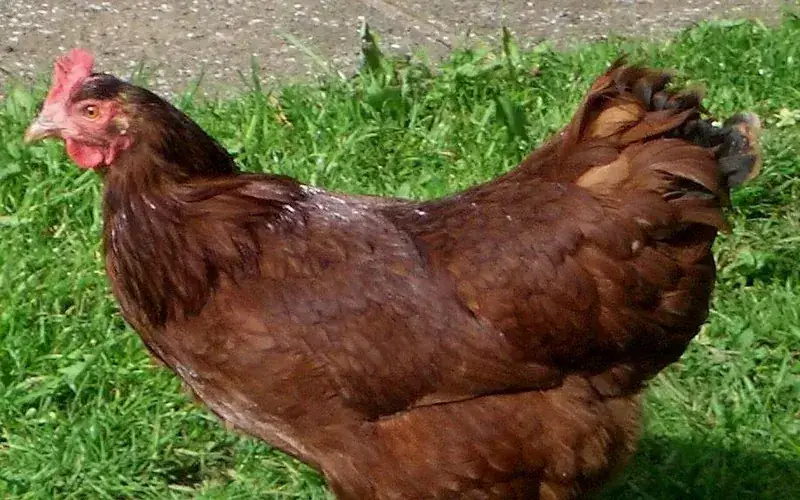
1. Domestic Chicken (Gallus gallus domesticus)
Chickens trace their roots back to the wild Red Junglefowl of Southeast Asia over 8,000 years ago. Today, with more than 33 billion chickens on the planet, they are the most popular type of poultry by far. In modern farming, chickens are divided into two main categories:
- Broiler Chickens (Meat Birds): Fast-growing breeds like Ross 308 and Cobb 500 reach market weights of 5 to 6 lbs (2.3–2.7 kg) in just 5 to 6 weeks. They are remarkably efficient eaters, converting around 1.5 lbs of feed into 1 lb of live weight. Benchmark feed conversion with our FCR Feed Efficiency Calculator or project turn returns using the Broiler ROI Simulator.
- Laying Hens (Egg Producers): Productive breeds like Lohmann Brown, White Leghorn, and Rhode Island Red lay 280 to 320+ farm-fresh eggs per year. Monitor lay rates with the Hen-Day Egg Production (HDEP) Calculator or model flock revenues with the Backyard Egg Profit Estimator.
How their body works: Chickens have a fleshy red comb on their head that acts like a natural radiator to pump out excess body heat. Inside, their gizzard grinds whole grains using small pebbles or granite grit they pick up from the ground.
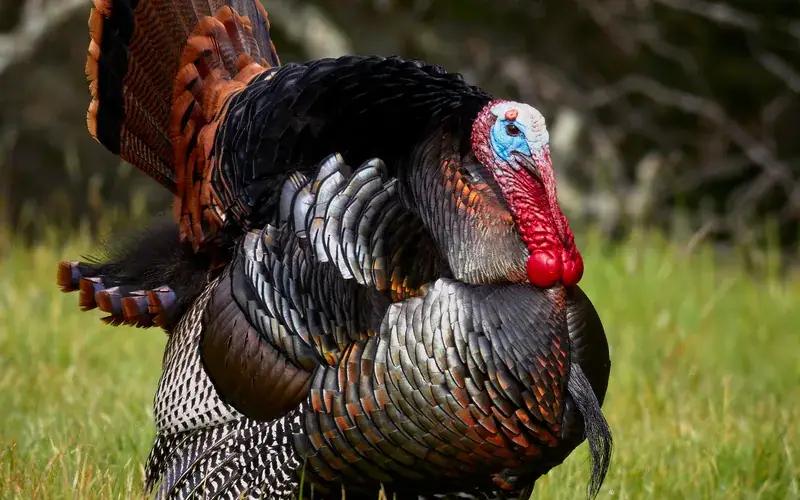
2. Domestic Turkey (Meleagris gallopavo)
Native to North America and domesticated centuries ago by indigenous communities in Mexico, turkeys are the second most popular poultry meat in the United States. Nearly all commercial supermarket turkeys are Broad Breasted Whites.
- Market Weights & Uses: Hens (females) grow to 16–22 lbs (7–10 kg) in 12–14 weeks, making them the classic whole roast for Thanksgiving and holiday dinners. Toms (males) are grown to 35–45+ lbs (16–21 kg) over 18–20 weeks for deli turkey breast slices and ground turkey.
- Breeding Fact: Because modern commercial turkeys have such massive breast muscles, heavy toms cannot mate naturally without injuring hens. For that reason, commercial turkey hatcheries rely on skilled artificial insemination to produce fertile eggs.
How their body works: Turkeys have bare heads with bumpy skin nodules called caruncles, and a fleshy flap over the beak called a snood that expands and turns bright red or blue when the bird gets excited.
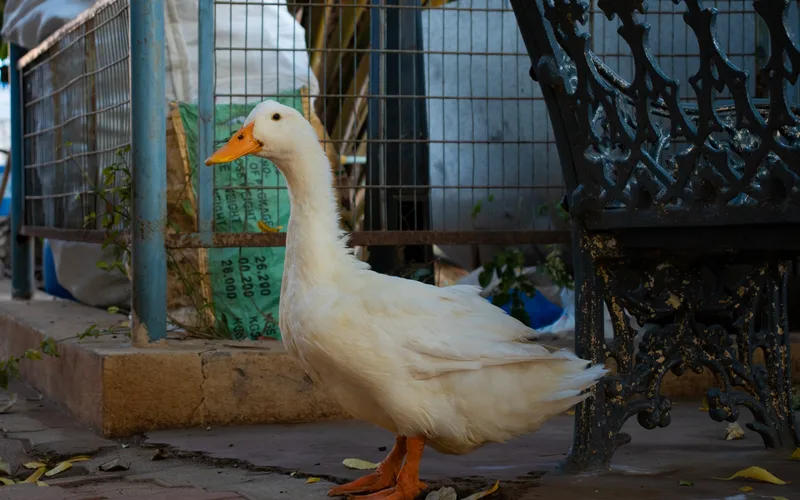
3. Domestic Duck (Anas platyrhynchos & Cairina moschata)
Ducks are popular across small homesteads and large commercial farms worldwide. Almost all domestic ducks originate from the wild Mallard, with the exception of the Muscovy duck, which comes from the forests of Central and South America.
- White Pekin (The Meat Standard): Pekins grow rapidly, reaching 6.5 to 8 lbs (3.0–3.6 kg) in just 6 to 7 weeks. Their thick layer of subcutaneous fat gives roast duck its crispy skin and juicy, rich dark meat.
- Khaki Campbell (Egg Champion): This humble brown duck is a laying machine, often producing 300 to 325 large white or greenish eggs per year—routinely out-laying many chicken breeds. Duck eggs have richer yolks and more protein, making them a favorite for bakers.
- Muscovy Ducks: Muscovies have red bumpy faces, hiss instead of quack, take 35 days to hatch, and yield very lean, beef-like breast fillets.
How their body works: Ducks have webbed paddle feet for swimming, fine comb-like filters inside their bills to catch bugs in muddy water, and strong natural resistance to common chicken diseases like Marek's.
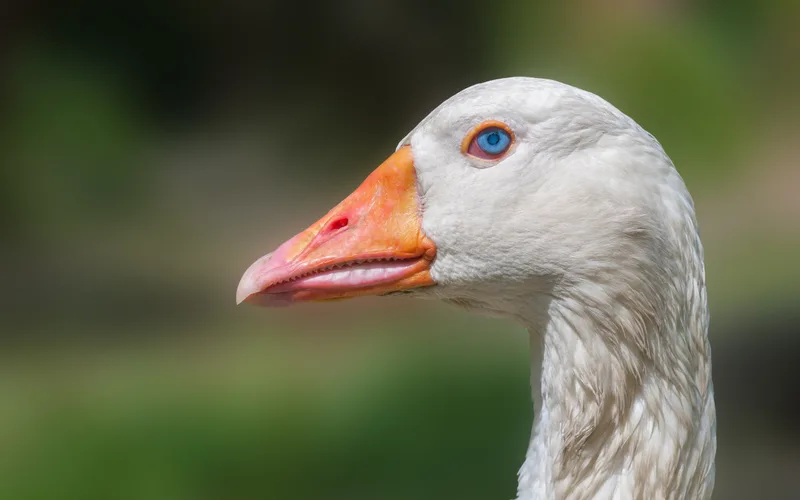
4. Domestic Goose (Anser anser & Anser cygnoides)
Geese are among the earliest birds ever domesticated, raised along the Nile and Euphrates rivers more than 4,000 years ago. Unlike chickens or turkeys, geese are natural herbivores that can thrive almost entirely on fresh green pasture grass.
- Popular Breeds: European breeds like the big white Embden and gentle Toulouse come from the wild Greylag goose. Asian breeds like the African and Chinese goose feature a distinctive knob above their bill and derive from the wild Swan goose.
- On the Farm: Reaching 12 to 24 lbs (5.5–11 kg), geese provide rich dark roast meat and warm down feathers. Many fruit and strawberry growers use them as biological "weeder geese" to keep grass trimmed without chemicals, while homesteaders appreciate their loud honks that sound the alarm if a predator enters the yard.
How their body works: Geese have tiny serrated ridges (called tomia) along the edges of their beak and tongue that act like miniature lawnmower blades to snip fresh grass blades cleanly.
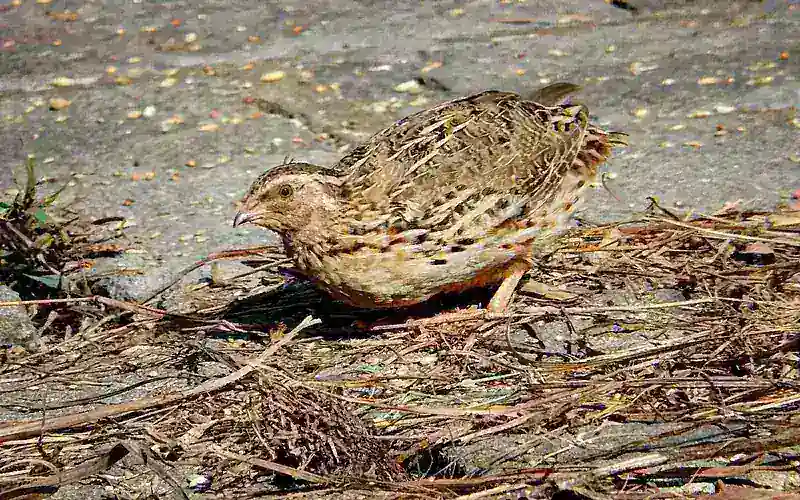
5. Japanese Coturnix Quail (Coturnix japonica)
If you have limited space, Coturnix quail are hard to beat. They are the fastest-growing poultry species in the world: eggs hatch in only 17 days, and chicks grow so quickly that females begin laying fresh eggs by just 6 weeks (42 days) of age!
- Gourmet Speckled Eggs: A single hen lays 260 to 300 beautiful speckled eggs per year. Even though each egg is small (about 10–12 grams, roughly one-fifth the size of a chicken egg), they sell at a premium to restaurants and grocery stores.
- Tender Meat: Jumbo meat strains reach full butcher weight (10–12 oz or 280–340g) by 5 to 6 weeks, making them ideal for urban backyards, garages, or vertical tiered cage systems.
How their body works: Quail are quiet, stay small, and need only about 1 square foot of cage space for every 2 or 3 birds, making them popular in suburban neighborhoods where roosters are banned.
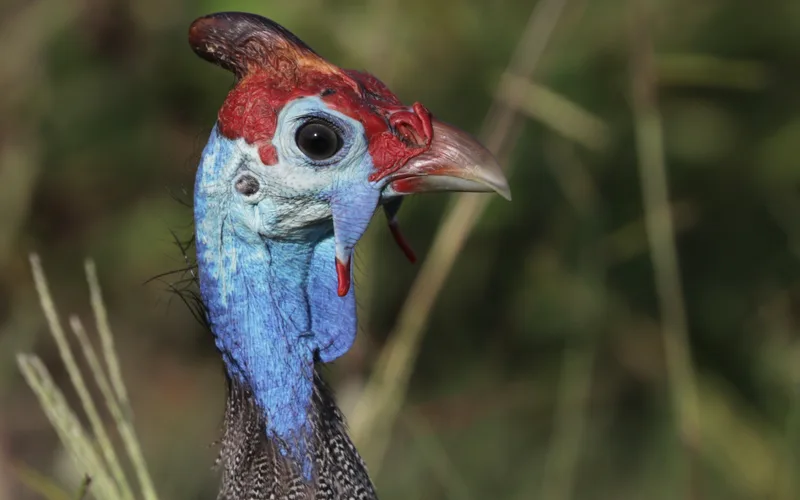
6. Helmeted Guinea Fowl (Numida meleagris)
Originally from the African savannas, guinea fowl are celebrated across the United States and Europe for their rugged hardiness, natural disease resistance, and relentless appetite for pasture bugs.
- Natural Tick Patrol: Guineas travel in tight groups, actively hunting and clearing pastures of Lyme-disease-carrying deer ticks, grasshoppers, beetles, and even small snakes. Best of all, they do not vigorously scratch up plant root balls like chickens do.
- Lean Gourmet Meat: Reaching 3 to 4 lbs (1.4–1.8 kg) in 12 to 14 weeks, guinea fowl meat is darker, leaner, and slightly gamier than chicken—resembling young pheasant on the dinner table.
How their body works: Guineas have a hard bony knob (called a casque) on top of their bare head and possess famously loud, two-tone calls that sound off the moment an unfamiliar person, stray dog, or hawk appears.
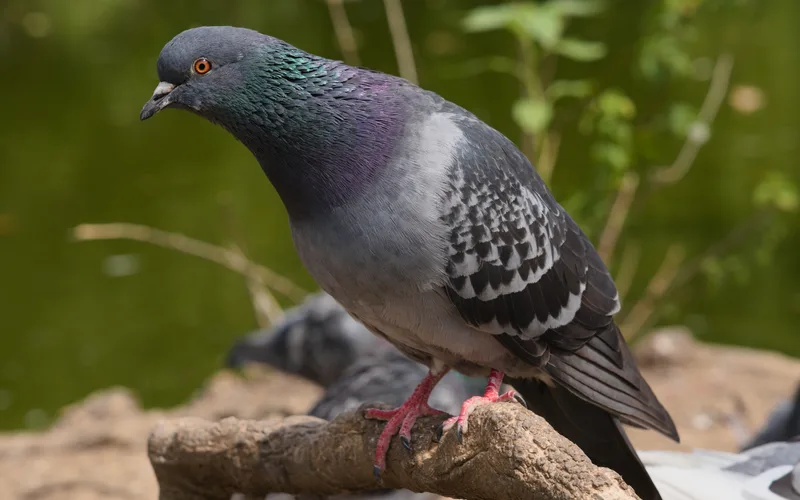
7. Domestic Pigeon & Commercial Squab (Columba livia)
In the poultry and restaurant world, squab refers to a young pigeon that has not yet learned to fly, usually harvested around 28 days of age. Because squabs never exercise their flight muscles, their breast meat stays exceptionally tender, juicy, dark, and rich in iron.
- Crop Milk Feeding: Newborn squabs cannot eat dry grain. Both parents feed them crop milk directly from their throats. On this rich diet, squabs balloon from less than an ounce at hatch to over 1 pound (450–550 grams) in under four weeks!
- Breeding Pairs: Pigeons mate for life in faithful pairs, with both mother and father sharing egg incubation and chick feeding duties, reliably producing 12 to 16 squabs per year.
How their body works: Pigeons have short incubation periods of only 17 to 19 days and drink water by sucking it up like a straw, unlike chickens who must tilt their heads back to swallow.
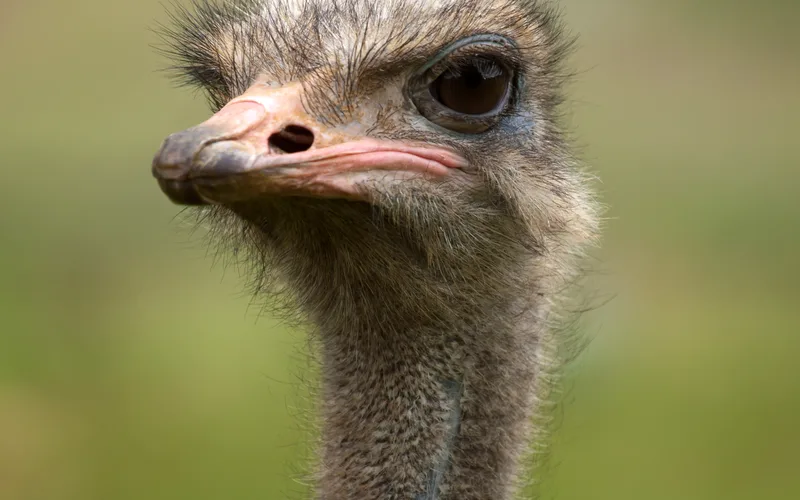
8. African Ostrich (Struthio camelus)
Standing up to 9 feet tall and weighing 220 to 300 lbs (100–135 kg), ostriches are the largest living birds on Earth. Originating from Africa, they are farmed on ranches across Texas, California, South Africa, and Europe.
- Lean Red Meat Steaks: While technically poultry, ostrich meat looks, cooks, and tastes just like premium beef tenderloin. Yet it contains less cholesterol than skinless chicken breast and 97% less fat than beef.
- Valuable Byproducts: A single mature ostrich produces about 14 square feet of distinctive, high-end dotted leather, prized by boot and handbag makers, as well as soft feathers and giant 3-lb porcelain-like eggs.
How their body works: Unlike other birds that have 3 or 4 toes, ostriches have only 2 toes per foot, designed like running hooves that let them sprint up to 43 mph (70 km/h).
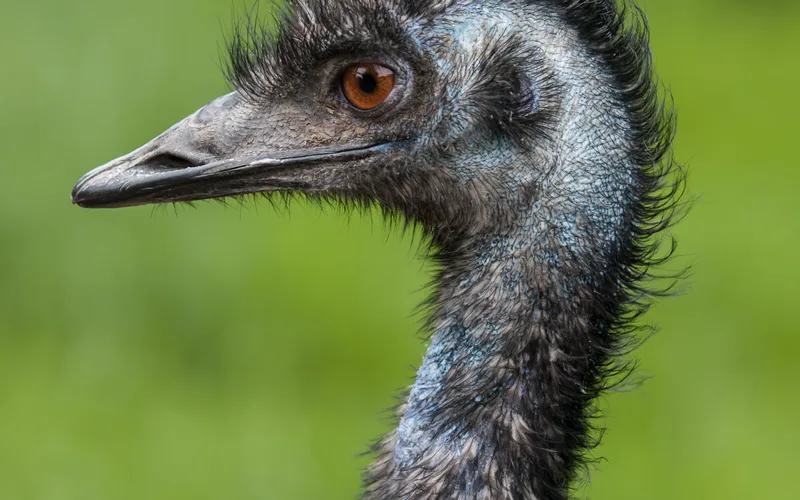
9. Australian Emu (Dromaius novaehollandiae)
Native to Australia, emus stand 5 to 6 feet tall and weigh 80 to 120 lbs (36–55 kg). They are gentle, curious birds farmed throughout the United States, Australia, and Canada.
- Therapeutic Emu Oil: The most valuable product from emu farming is emu oil, rendered from a thick layer of fat along the bird's back. Rich in omega-3, 6, and 9 fatty acids, it penetrates deep into human skin and is widely used in anti-inflammatory lotions, cosmetics, and joint rubs.
- Meat & Eggs: Like ostrich, emu yields lean red meat cuts. Females lay stunning deep emerald-green eggs weighing over 1 pound each, which hatch after 54 to 56 days under the dedicated care of the male bird.
How their body works: Emus have double-plumed feathers that give them a shaggy appearance and protect them from both scorching summer sun and freezing winter prairie winds.
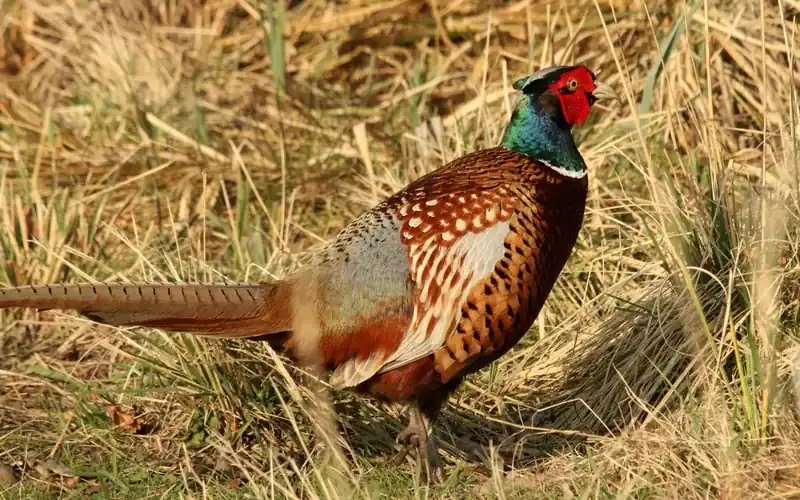
10. Ring-Necked Pheasant (Phasianus colchicus)
Originally native to Asia, the Ring-Necked Pheasant was introduced to the United States in the late 1800s and is now widely raised on specialized commercial gamebird farms across the Midwest and Pacific Northwest.
- Fine Dining & Preserves: Commercial pheasant farms raise birds in spacious flight pens draped with top netting so birds develop strong flight wings. They are marketed to hunting preserves or processed into lean, flavorful culinary meat for white-tablecloth restaurants.
- Growth Cycle: Hens reach 2 to 2.5 lbs (0.9–1.1 kg) and roosters reach 2.8 to 3.5 lbs (1.3–1.6 kg) over 18 to 22 weeks of growth.
How their body works: Roosters have stunning iridescent green heads with white neck collars and long trailing tail feathers, while hens sport mottled brown camouflage feathers to stay hidden on ground nests.
5. Commercial Meat Classes of Poultry (USDA Standards Explained)
When shopping in American grocery stores or selling processed birds to local customers, you will notice distinct classes of poultry on product labels. The USDA categorizes poultry meat by the bird's age and weight, which directly affects how tender the meat is and the best way to cook it:
| USDA Meat Class | Market Age | Typical Live Weight | Meat Texture | Best Cooking Methods |
|---|---|---|---|---|
| Cornish Game Hen | 4–5 Weeks | Under 2.0 lbs (0.9 kg) | Very tender, mild flavor | Whole roast, individual serving, air frying |
| Broiler / Fryer | 6–8 Weeks | 3.5–5.5 lbs (1.6–2.5 kg) | Tender with smooth flexible breastbone | Pan frying, grilling, baking, air frying |
| Roaster | 8–12 Weeks | 6.0–9.0 lbs (2.7–4.1 kg) | Plump, juicy, firm breast cartilage | Whole oven roasting, rotisserie, carving |
| Capon (Castrated Male) | 16–20 Weeks | 7.0–11.0 lbs (3.2–5.0 kg) | Extremely tender, marbled fat | Slow gourmet holiday roasting |
| Stewing Hen / Spent Fowl | > 12–18 Months | 4.5–7.0 lbs (2.0–3.2 kg) | Firm, fibrous, rich in connective collagen | Slow simmered chicken soup, bone broth, stewing |
6. Frequently Asked Questions About Types of Poultry
Yes, absolutely. Ducks are one of the most widely kept domesticated poultry species in the world. Under USDA, FAO, and international culinary rules, domestic ducks are classified as poultry waterfowl alongside geese.
Yes. Whenever pigeons or quail are bred in captivity for meat (such as young squab) or commercial speckled table eggs, they are legally and biologically classified as domesticated poultry. Both are formally recognized under the USDA Poultry Products Inspection Act.
"Fowl" is a broad biological term referring to birds in the orders Galliformes (landfowl like chickens and pheasants) and Anseriformes (waterfowl like ducks and geese), whether wild or domestic. "Poultry," by contrast, specifically designates birds that humans have domesticated to raise for food, eggs, or feathers. All poultry are domesticated birds, but not all wild fowl are poultry.
For most families and homesteaders, standard dual-purpose backyard chickens (such as Rhode Island Reds, Plymouth Rocks, or Buff Orpingtons) are the easiest starting point because feed and equipment are widely available at local feed stores. For small spaces or suburban yards where roosters are banned, Coturnix quail are the easiest choice because they are quiet, mature in just 6 weeks, and thrive in compact vertical pens.